
3 Year Crop Rotation Chart
3 Year Crop Rotation Chart - So if you grow tomatoes in one bed this year, next year, you don’t grow them in the same bed. Web 3 year crop rotation. Companion planting chart and guide for vegetable gardens. Check out these amazing natural techniques of crop rotation to manage your soil, reduce weeds, and increase yields. List crops you plan to grow and how much you plan to grow. Follow these rotation guides, based on your initial categorization of them. Web in this guide. Apples, pears, berries, cherries, plums. All the individual vegetables are named. These form the backbone around which you will build your rotation plan. So if you grow tomatoes in one bed this year, next year, you don’t grow them in the same bed. Web crop rotation is a method used by gardeners to further enhance their vegetable gardens. Combining crop rotation & companion planting. 4 year crop rotation example. The concept of crop rotation is simple: Imagine your garden separated into four areas, as shown in the chart at the top of the page. Web crop rotation is a gardening method where you don’t grow the same type of crop in the same location. Web 3 year crop rotation. Each successive year, you would move each group one spot clockwise. Apples, pears, berries, cherries, plums. All the individual vegetables are named. Imagine your garden separated into four areas, as shown in the chart at the top of the page. Don’t worry, all will become clear. Tomatoes, peppers, onions, carrots, lettuce, potatoes. Each successive year, you would move each group one spot clockwise. High feeders ⇒ givers ⇒ low feeders ⇒ high feeders. Don’t worry, all will become clear. Web in this guide. Do not plant an area with crops from the same plant family or group before that cycle is up. Key tips for crop rotation. Make a map of your farm or garden. In autumn or winter, prepare the soil according to the needs of each group. Companion planting chart and guide for vegetable gardens. Web crop rotation is a method used by gardeners to further enhance their vegetable gardens. Plot 1 has manure added to half of it and this will feed the potatoes. All the individual vegetables are named. Web three year crop rotation plan. (see tables 2 and 3.) check for excessive acreage of one crop family. Brassicas are hungry plants that thrive on rich soil with plenty of added compost or well. Combining crop rotation & companion planting. Of course, the beds don’t have to be in a circle and could be three rectangular raised garden beds side by. Legumes, grasses, and other crops that are grown specifically to improve soil health, such as clover and rye. (see tables 2 and 3.) check for excessive acreage of one crop family. The basic idea is that we do not. So if you grow tomatoes in one bed this year, next year, you don’t grow them in the same bed. Web a full crop rotation cycle lasts three to four years. 3 year crop rotation example. Tomatoes, peppers, onions, carrots, lettuce, potatoes. The concept of crop rotation is simple: Web crop rotation is a method used by gardeners to further enhance their vegetable gardens. Web here is a traditional three year rotation plan where potatoes and brassicas are important crops: Plot 1 has manure added to half of it and this will feed the potatoes that follow on. So if you grow tomatoes in one bed this year, next. So if you grow tomatoes in one bed this year, next year, you don’t grow them in the same bed. 3 year crop rotation example. Make a map of your farm or garden. List crops you plan to grow and how much you plan to grow. This technique can significantly increase crop production, prevent exhausting soils, control weed growth, and. In other words, it’s when a farmer or gardener makes a concerted effort to avoid growing the same family of vegetables in the same spot year after year. This technique can significantly increase crop production, prevent exhausting soils, control weed growth, and improve the health of your plants. Web three year crop rotation plan. Imagine your garden separated into four. Brassicas are hungry plants that thrive on rich soil with plenty of added compost or well. Web crop rotation is a method used by gardeners to further enhance their vegetable gardens. Crop rotation can not only help you to achieve bigger and healthier crops of your favorite vegetables, but also helps the environment, as it preserves soil health and helps. How to lay out a vegetable garden. Check out these amazing natural techniques of crop rotation to manage your soil, reduce weeds, and increase yields. Of course, the beds don’t have to be in a circle and could be three rectangular raised garden beds side by. Web crop rotation is a method used by gardeners to further enhance their vegetable gardens. The concept of crop rotation is simple: The basic idea is that we do not (usually) want to grow only one crop in a bed. In other words, it’s when a farmer or gardener makes a concerted effort to avoid growing the same family of vegetables in the same spot year after year. The best way to ensure proper rotation is by having multiple separated garden plots or beds. Key tips for crop rotation. Companion planting chart and guide for vegetable gardens. Follow these rotation guides, based on your initial categorization of them. You will probably find that these reliable sequences meet certain rotation goals or make your operation run smoothly. Web in this guide. Don’t worry, all will become clear. All the individual vegetables are named. Legumes, grasses, and other crops that are grown specifically to improve soil health, such as clover and rye.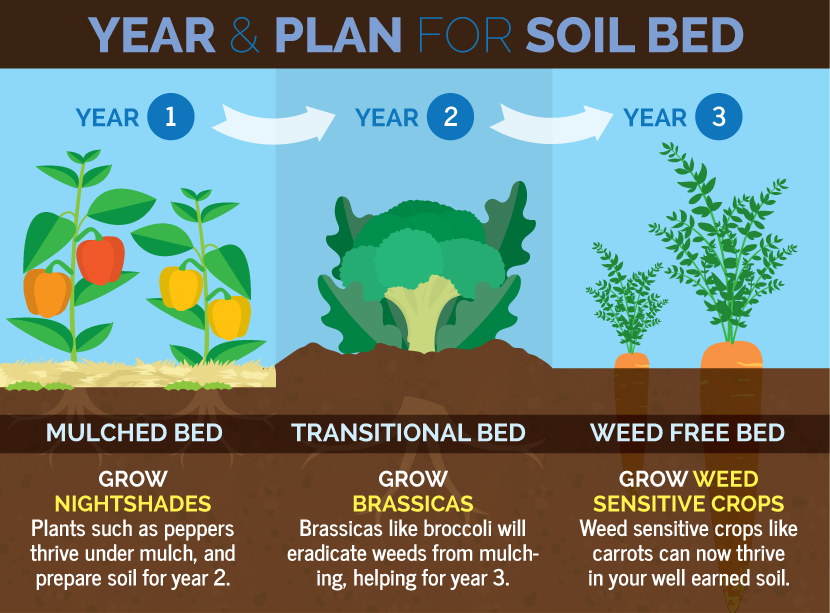
ThreeYear Crop Rotation Plan
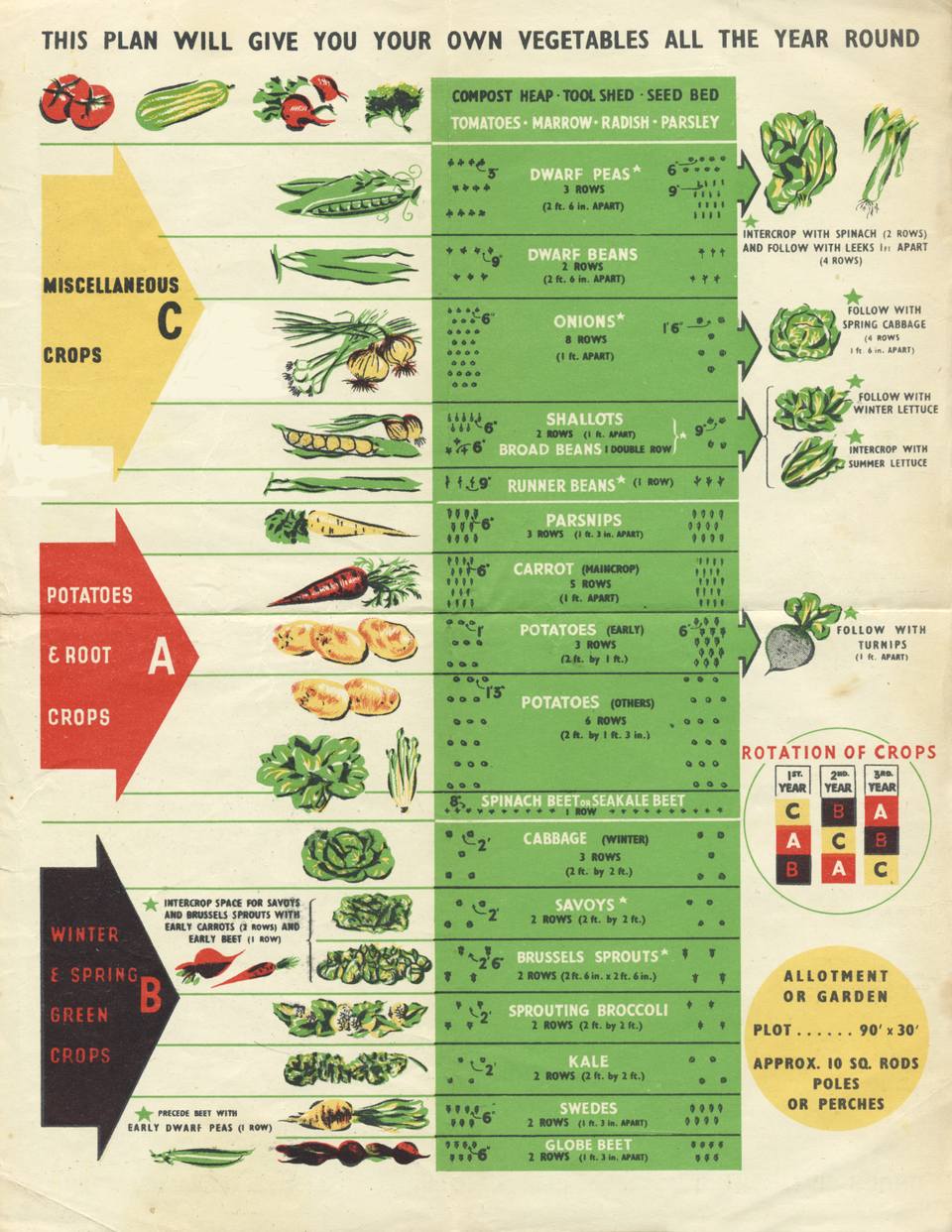
Crop Rotation The Three Year Crop Rotation Plan

Crop Rotation 3 year plan free printable gardening teacher
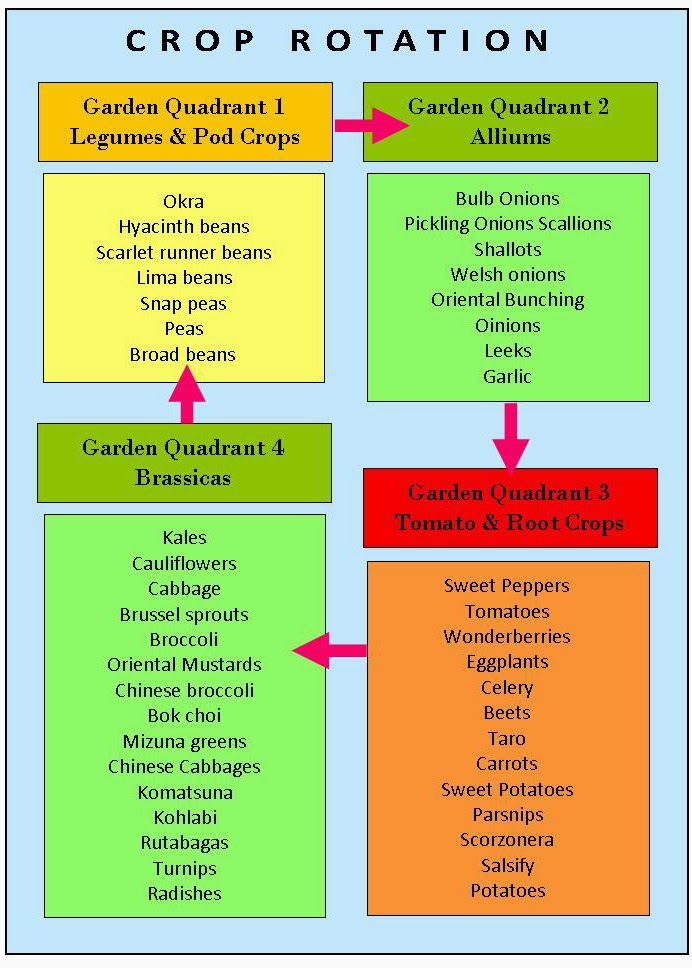
3 Year Vegetable Crop Rotation Chart

3 year crop rotation InfoGraphs & Art Pinterest 3 Years

3 Year Crop Rotation Chart

3 Year Crop Rotation Chart
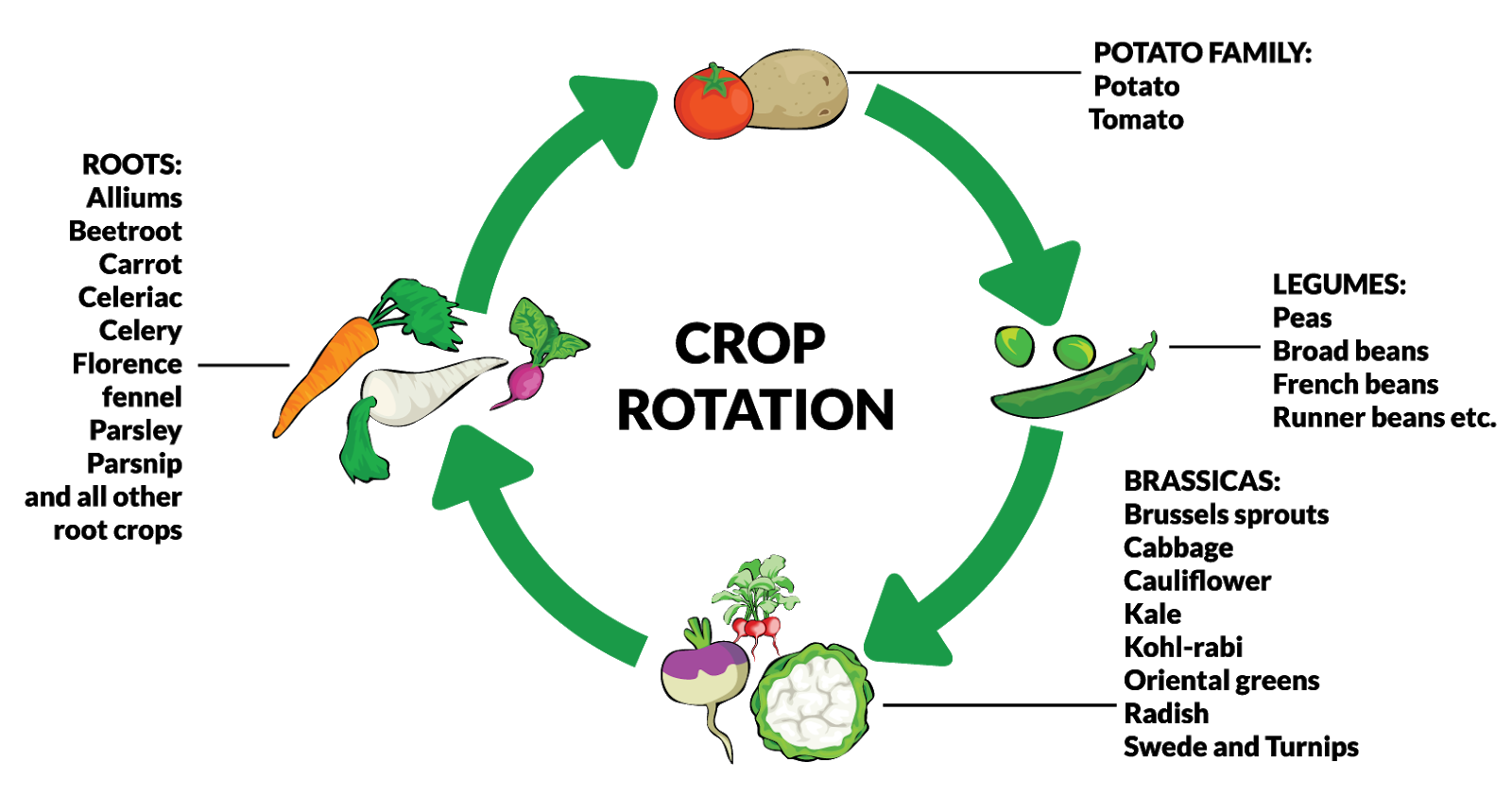
3 Year Crop Rotation Chart

3 year crop rotation Crop rotation, Plants, Food garden
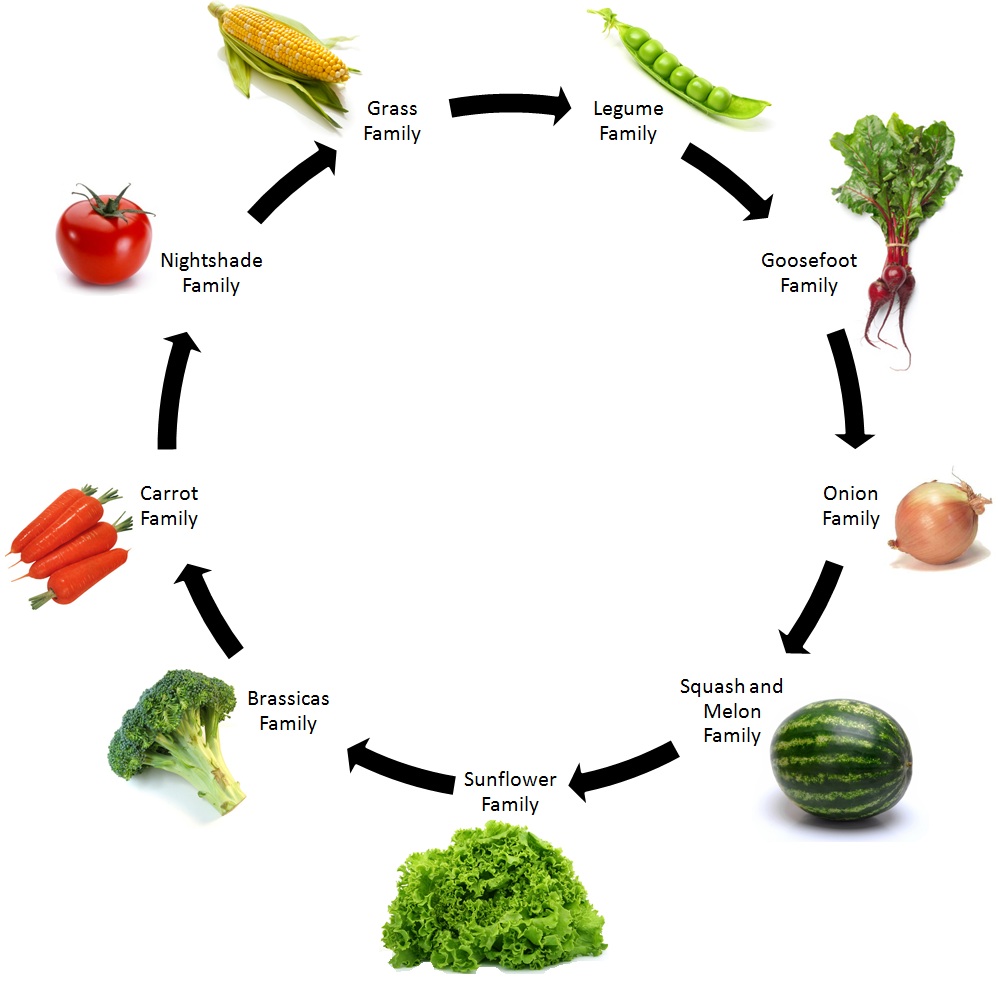
3 Year Crop Rotation Chart
This Technique Can Significantly Increase Crop Production, Prevent Exhausting Soils, Control Weed Growth, And Improve The Health Of Your Plants.
These Form The Backbone Around Which You Will Build Your Rotation Plan.
High Feeders ⇒ Givers ⇒ Low Feeders ⇒ High Feeders.
Web One Approach To Crop Rotation Is To Divide Your Plants Into These Four Basic Groups:
Related Post: