
Aquarium Plant Deficiency Chart
Aquarium Plant Deficiency Chart - Keep in mind that as your plants grow, they require more food. Web in order to properly treat your plants, identify the nutrient deficiency and how you’re going to fix it (e.g., add more fertilizer or specific supplements, increase the water hardness, feed more fish food, and/or remove some plants). When it comes to analyzing nutrient deficiencies, the first step is to look for symptoms. Analyzing plant growth is a good and easy way to determine if a get enough nutrient. Web coloration is bad, plants are lighter. In practice, these damage patterns sometimes cannot be clearly or easily assigned to a singular nutrient deficiency alone, since the symptoms may look very similar to one another, and different defects can look quite similar. Web in this guide, we will delve into the reasons behind your aquarium plants turning yellow, primarily focusing on nutrient deficiencies. Web are your aquarium plants nutrient deficient? Older leaves are filled with green spot algae (gsa). This aquarium plants deficiency chart will be helpful for you. In this article, you can read about the causes and possible solutions. Many different issues can give rise to yellowing leaves or stunting. In practice, these damage patterns sometimes cannot be clearly or easily assigned to a singular nutrient deficiency alone, since the symptoms may look very similar to one another, and different defects can look quite similar. After a while if you keep dosing the instructed amount it may not be enough. Web i took the time just now to go through and draw out most of the common plant deficiencies in pictoral form. Keep in mind that as your plants grow, they require more food. Web the most common nutrient deficiencies include nitrogen, phosphorus, potassium, iron, and magnesium. Web in this guide, we will delve into the reasons behind your aquarium plants turning yellow, primarily focusing on nutrient deficiencies. When it comes to analyzing nutrient deficiencies, the first step is to look for symptoms. Web what are the most common plant deficiency symptoms in the aquarium? Leaves to show effects first: Cryptocorynerot, lack of food or nutrients, or even snails can all contribute to creating holes in your plants’ leaves, so here’s what that means and how to avoid it. This aquarium plants deficiency chart will be helpful for you. Older leaves do not die unless deficiency is extreme. Web there isn’t one answer to what. To diagnose nutrient deficiencies, you must first check for symptoms. Learn expert tips to restore vibrant health to your aquatic plants. Analyzing plant growth is a good and easy way to determine if a get enough nutrient. Insufficient co2 causes many symptoms that look similar to common 'nutrient deficiencies' including the premature fall off or yellowing of leaves, loss of. To diagnose nutrient deficiencies, you must first check for symptoms. Let’s dig into this post to get into details! Leaves to show effects first: Web planted aquarium dosing calendar (low maintenance) comparison of plant growth from nitrogen in nitrate form and ammonium flourish ® & flourish tabs™ constituents and signs of deficiency Cryptocorynerot, lack of food or nutrients, or even. Leaves to show effects first: Let’s dig into this post to get into details! Web this article deals with deficiency symptoms in aquarium plants. In practice, these damage patterns sometimes cannot be clearly or easily assigned to a singular nutrient deficiency alone, since the symptoms may look very similar to one another, and different defects can look quite similar. Web. Web discover the signs of aquarium plant deficiencies. When it comes to analyzing nutrient deficiencies, the first step is to look for symptoms. This diagram is by no means an exhaustive reference for all deficiencies and certain plants vary in their symptoms, but in general most deficiencies will look something like the diagram below. Web posted february 9, 2021. After. Keep in mind that as your plants grow, they require more food. Web nutrient deficiency chart for plants. This aquarium plants deficiency chart will be helpful for you. Web keep reading to learn more about the aquarium plant problems chart, how to identify them, and take appropriate action before they take a toll. Learn expert tips to restore vibrant health. Web keep on reading for everything you need to know about how to spot nutrient deficiencies in aquatic plants including background information, a detailed guide for the plants’ nutrition, in addition to other essential information pertaining to its usage in aquariums. In this article, you can read about the causes and possible solutions. Web in this guide, we will delve. Web deficits in nutrients or environmental conditions that prevent proper development occur in aquarium plants. Web keep on reading for everything you need to know about how to spot nutrient deficiencies in aquatic plants including background information, a detailed guide for the plants’ nutrition, in addition to other essential information pertaining to its usage in aquariums. After a while if. After a while if you keep dosing the instructed amount it may not be enough. To diagnose nutrient deficiencies, you must first check for symptoms. When it comes to analyzing nutrient deficiencies, the first step is to look for symptoms. Petco is here to help you identify different deficiencies such as light, nitrogen, co2, magnesium, iron and more. This diagram. The type of aquarium plant nutrient deficiency you encounter will depend on a number of factors, including the specific type of plants in your tank and what water parameters are. Web in order to properly treat your plants, identify the nutrient deficiency and how you’re going to fix it (e.g., add more fertilizer or specific supplements, increase the water hardness,. Learn expert tips to restore vibrant health to your aquatic plants. I think its nitrogen deficiency too. Web in order to properly treat your plants, identify the nutrient deficiency and how you’re going to fix it (e.g., add more fertilizer or specific supplements, increase the water hardness, feed more fish food, and/or remove some plants). Web this article deals with deficiency symptoms in aquarium plants. Generally, deficiency symptoms are similar to nitrogen deficiency symtoms. Web there isn’t one answer to what causes holes in aquarium plants, but there are things you can do to fix or avoid the problem. Web i took the time just now to go through and draw out most of the common plant deficiencies in pictoral form. Keep in mind that as your plants grow, they require more food. Web in this guide, we will delve into the reasons behind your aquarium plants turning yellow, primarily focusing on nutrient deficiencies. Analyzing plant growth is a good and easy way to determine if a get enough nutrient. Web keep reading to learn more about the aquarium plant problems chart, how to identify them, and take appropriate action before they take a toll. In this article, i discuss the deficiency symptoms of all the macro and micronutrients plants require to grow and stay healthy. In this article, you can read about the causes and possible solutions. Web we will be reviewing the different types of plant nutrient deficiencies (iron, calcium, nitrogen, phosphorus, potassium, manganese) and how to fix them. Insufficient co2 causes many symptoms that look similar to common 'nutrient deficiencies' including the premature fall off or yellowing of leaves, loss of color and. This aquarium plants deficiency chart will be helpful for you.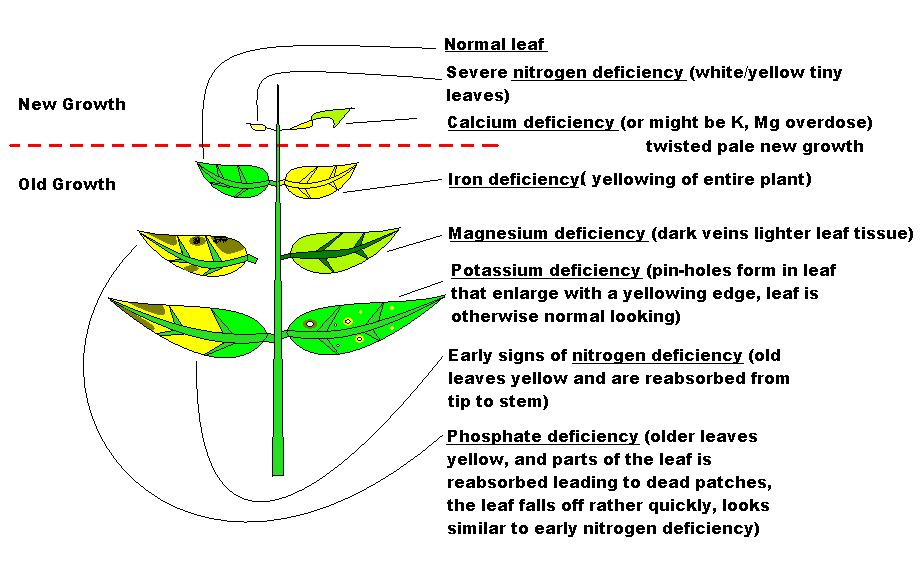
Plant Deficiency Picture Diagram Plant Deficiencies Aquatic Plant

Aquarium Plant Nutrient Deficiency Chart Maison & Jardin
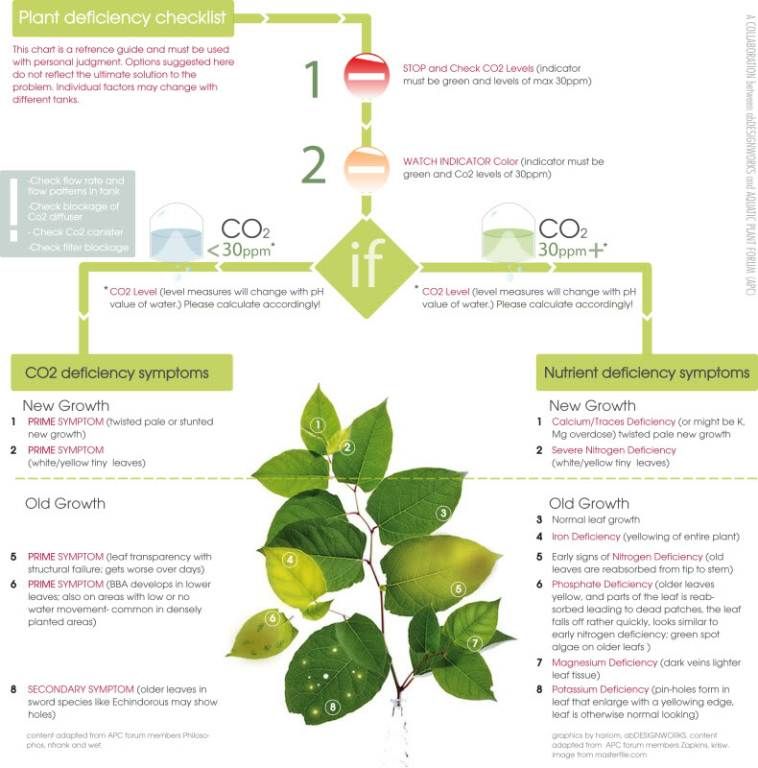
Aquarium Plant Chart A Visual Reference of Charts Chart Master
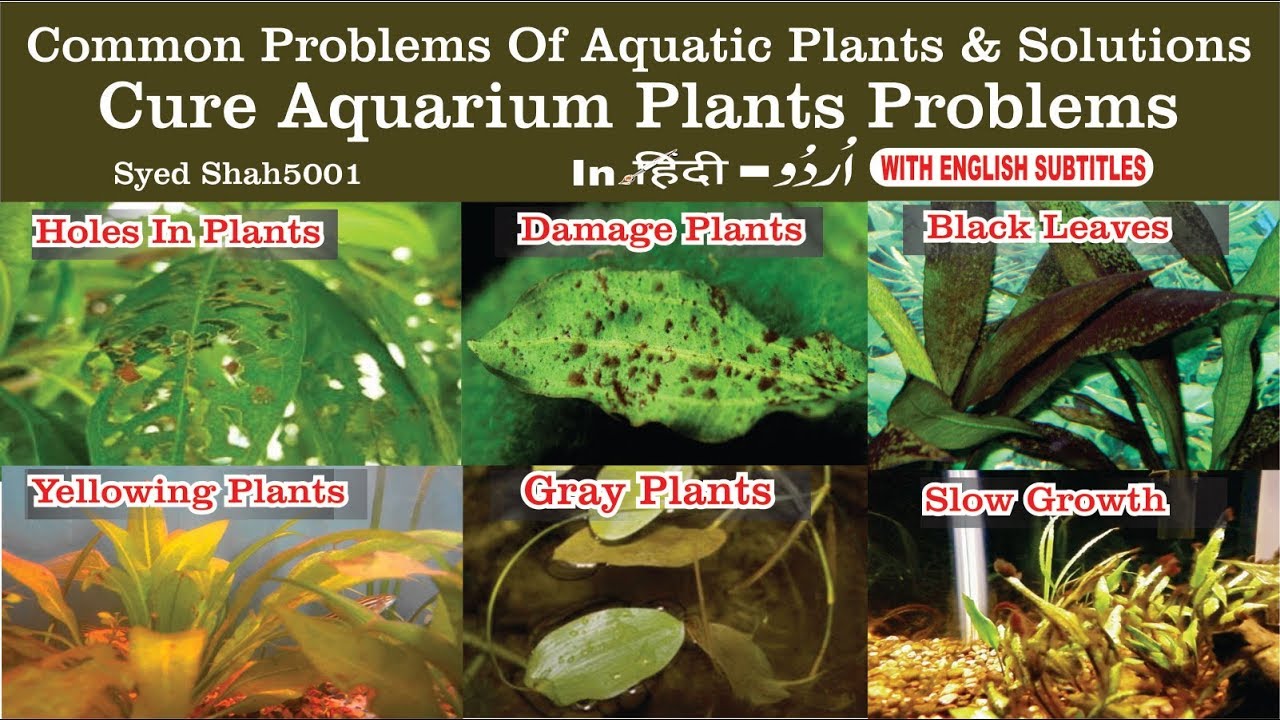
Aquarium Plant Deficiency Chart

Aquarium plant deficiency Page 2 Tropical Fish Keeping Aquarium
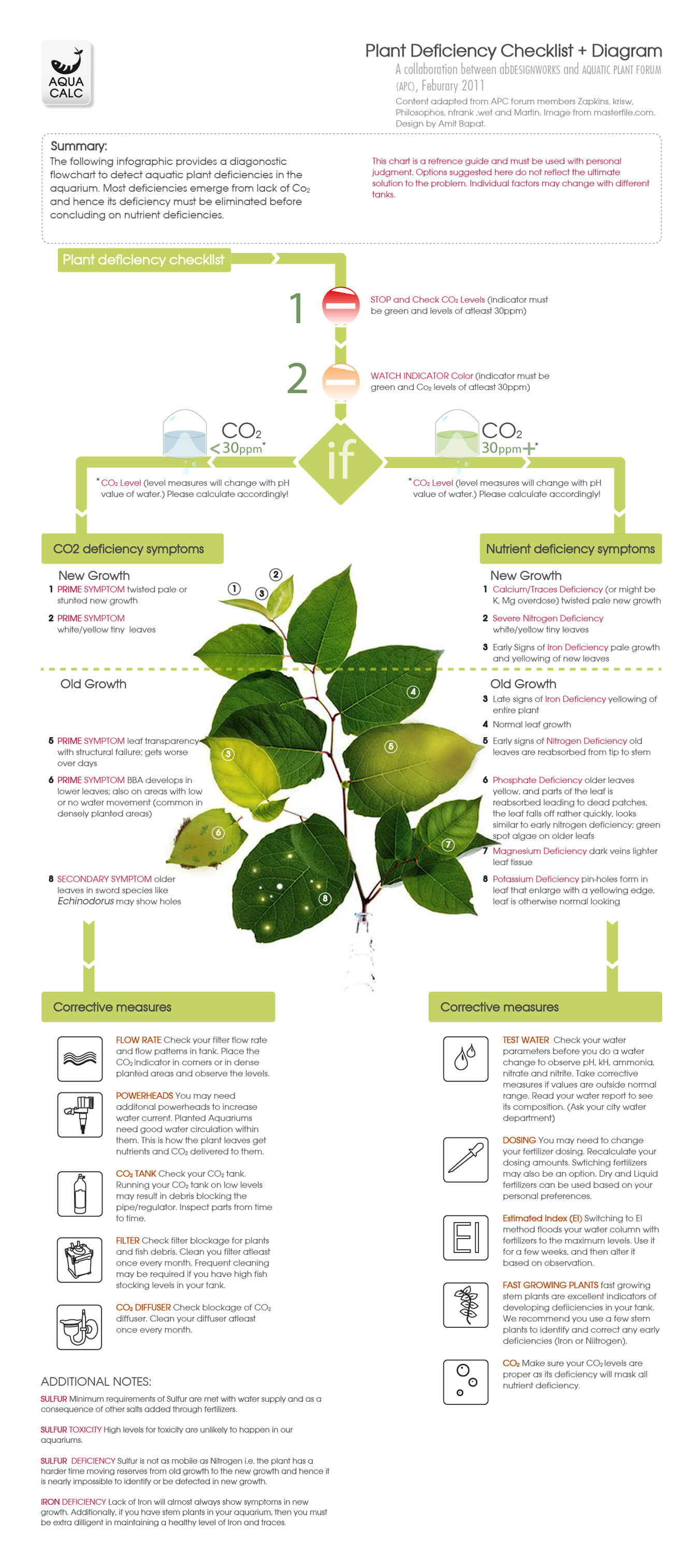
Aquarium Plant Deficiency Decision Tree Infolific

Aquarium Plant Deficiency Chart
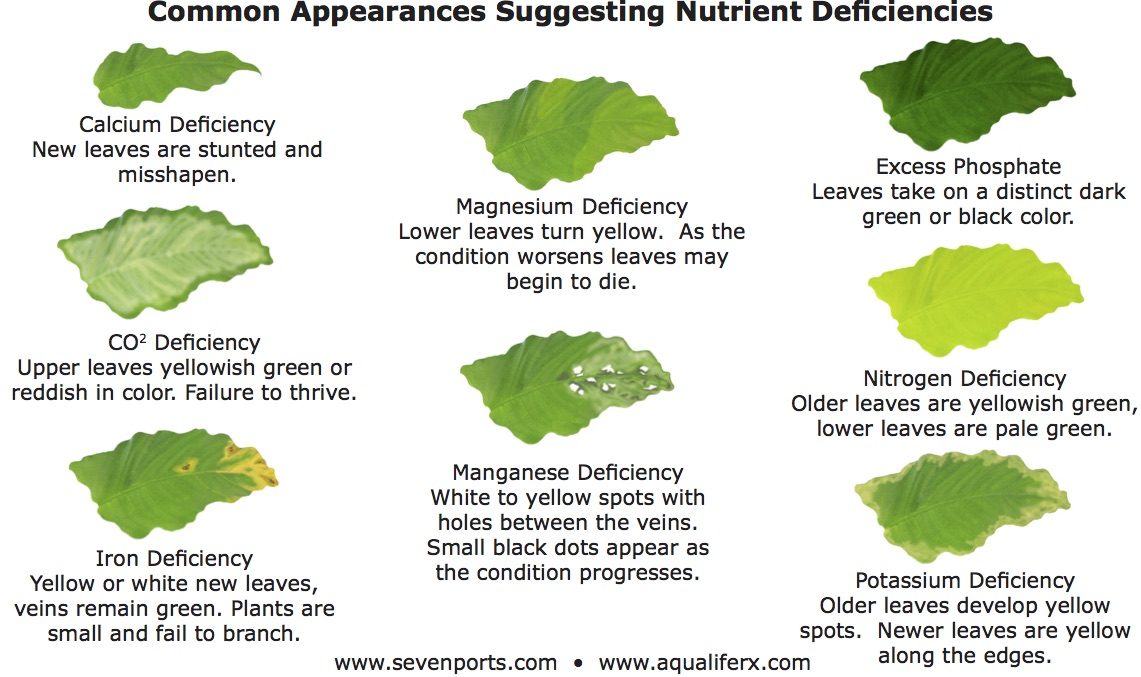
Preventing Mineral Deficiencies with AquaLife Plant Supplements

How to Spot Nutrient Deficiencies in Aquatic Plants Shrimp and Snail

Aquarium plant deficiencies Aquarium Adventures
Web Unhealthy, Stressed, And Dying Plants In Your Aquarium Can Be The Result Of Poor Water Quality, Improper Parameters, Insufficient Lighting Or Co2 Levels, Or Nutrient Deficiencies.
In Practice, These Damage Patterns Sometimes Cannot Be Clearly Or Easily Assigned To A Singular Nutrient Deficiency Alone, Since The Symptoms May Look Very Similar To One Another, And Different Defects Can Look Quite Similar.
Many Different Issues Can Give Rise To Yellowing Leaves Or Stunting.
Let’s Dig Into This Post To Get Into Details!
Related Post: