
Aquatic Plants Chart
Aquatic Plants Chart - Web aquatic plants play a vital role in lake ecosystems, providing benefits for wildlife, people, and water health. Unveil the wonders they offer above and below the water's surface. Web for this reason, we have prepared this article on more than 50 aquatic plants for ponds, lakes and lagoons, among which you can find floating plants, for deep waters, for margins or banks, oxygenators and marshes. Aquatic plants and the necessity of water. Many of the damage patterns from nutrient deficiencies listed below are similar to a co2 deficiency. Web cryptocorynes and ludwigias are excellent rooted plants for the middle of a planted aquarium. They create valuable habitat for fish and waterfowl, absorb undesirable nutrients, and improve water clarity. Web add beauty to your pond, aquarium, wet garden, or any wet area with these 39 amazing types of aquatic flowers and plants. Web can you place them in a container with just any water? Aquatic plants basic care instructions. Water iris is a marginal aquatic flowering plant with showy blue or yellow flowers. Chara is typically low growing and can be identified by its musky odor. Web vegetation is an important part of any aquatic system, but sometimes it can get out of control and create problems. They create valuable habitat for fish and waterfowl, absorb undesirable nutrients, and improve water clarity. Download full plant id chart as pdf. Web download full plant id chart as pdf. Web add beauty to your pond, aquarium, wet garden, or any wet area with these 39 amazing types of aquatic flowers and plants. Web discover the vibrant, diverse world of aquatic plants! Submerged plants provide the most cover, oxygen, and food. Web choose your type of aquatic plant: Submersed, floating, emergent, and algae. Choose tall, upright plants to cover the background of your aquarium and hide hardware like your heater. Web this is the most important group of plants for fi shes. In this article, you’ll learn about the best water plants to grow in indoor or outdoor ponds in your backyard or at home. Web vegetation is. Web choose your type of aquatic plant: If you don’t know the name of your plant, start here to compare photos and identify what type of plant is in your pond. Algae and other plankton, floating plants, submerged plants, and emergent plants. Remember that co2 is crucial for healthy plant growth. Even for fi shes that do not eat plants,. Web discover the vibrant, diverse world of aquatic plants! Submersed, floating, emergent, and algae. They create valuable habitat for fish and waterfowl, absorb undesirable nutrients, and improve water clarity. Web can you place them in a container with just any water? Chara is typically low growing and can be identified by its musky odor. Web can you place them in a container with just any water? Choose epiphytes like anubias and java ferns to attach to your hardscape. Web add beauty to your pond, aquarium, wet garden, or any wet area with these 39 amazing types of aquatic flowers and plants. Submerged plants provide the most cover, oxygen, and food. Chara is typically low. Web for this reason, we have prepared this article on more than 50 aquatic plants for ponds, lakes and lagoons, among which you can find floating plants, for deep waters, for margins or banks, oxygenators and marshes. Web choose your type of aquatic plant: There are four broad general categories; Even for fi shes that do not eat plants, these. In this article, we will answer all of your questions regarding the care of an aquatic plant, and explore the depths of these interesting floras! Web download full plant id chart as pdf. Remember that co2 is crucial for healthy plant growth. Clipper, captain xtr, reward or seclear g. Submerged plants provide the most cover, oxygen, and food. Unveil the wonders they offer above and below the water's surface. Web download full plant id chart as pdf. Web for this reason, we have prepared this article on more than 50 aquatic plants for ponds, lakes and lagoons , among which you can find floating plants, for deep waters, for margins or banks, oxygenators and marshes. Chara is typically. Download full plant id chart as pdf. Algae and other plankton, floating plants, submerged plants, and emergent plants. Submerged plants provide the most cover, oxygen, and food. This video will look at the four categories of pond plants, and some of the most common aquatic plants that are found in pennsylvania. Remember that co2 is crucial for healthy plant growth. Web this is the most important group of plants for fi shes. Web aside from beautifying the area, plants add healthy foliage to the water. There are four broad general categories; Web add beauty to your pond, aquarium, wet garden, or any wet area with these 39 amazing types of aquatic flowers and plants. Clipper, captain xtr, reward or seclear. Water iris is a marginal aquatic flowering plant with showy blue or yellow flowers. Web for this reason, we have prepared this article on more than 50 aquatic plants for ponds, lakes and lagoons, among which you can find floating plants, for deep waters, for margins or banks, oxygenators and marshes. They create valuable habitat for fish and waterfowl, absorb. Web discover the vibrant, diverse world of aquatic plants! If you don’t know the name of your plant, start here to compare photos and identify what type of plant is in your pond. Web for this reason, we have prepared this article on more than 50 aquatic plants for ponds, lakes and lagoons, among which you can find floating plants, for deep waters, for margins or banks, oxygenators and marshes. Choose epiphytes like anubias and java ferns to attach to your hardscape. Web some of the best aquatic flowers are water lilies, lotus, water hawthorn plants, and mosaic flower. Web download full plant id chart as pdf. Water iris is a marginal aquatic flowering plant with showy blue or yellow flowers. In this article, you’ll learn about the best water plants to grow in indoor or outdoor ponds in your backyard or at home. Submerged plants provide the most cover, oxygen, and food. Use this database to discover the latest waterlily and lotus varieties, or to determine the identity of your aquatic plant. Web choose your type of aquatic plant: Algae and other plankton, floating plants, submerged plants, and emergent plants. This video will look at the four categories of pond plants, and some of the most common aquatic plants that are found in pennsylvania. Web for this reason, we have prepared this article on more than 50 aquatic plants for ponds, lakes and lagoons , among which you can find floating plants, for deep waters, for margins or banks, oxygenators and marshes. Web the purpose of this section is to help you identify the type of aquatic plants that may be growing in your lake or pond. This unusual type of algae resembles a higher plant without true roots.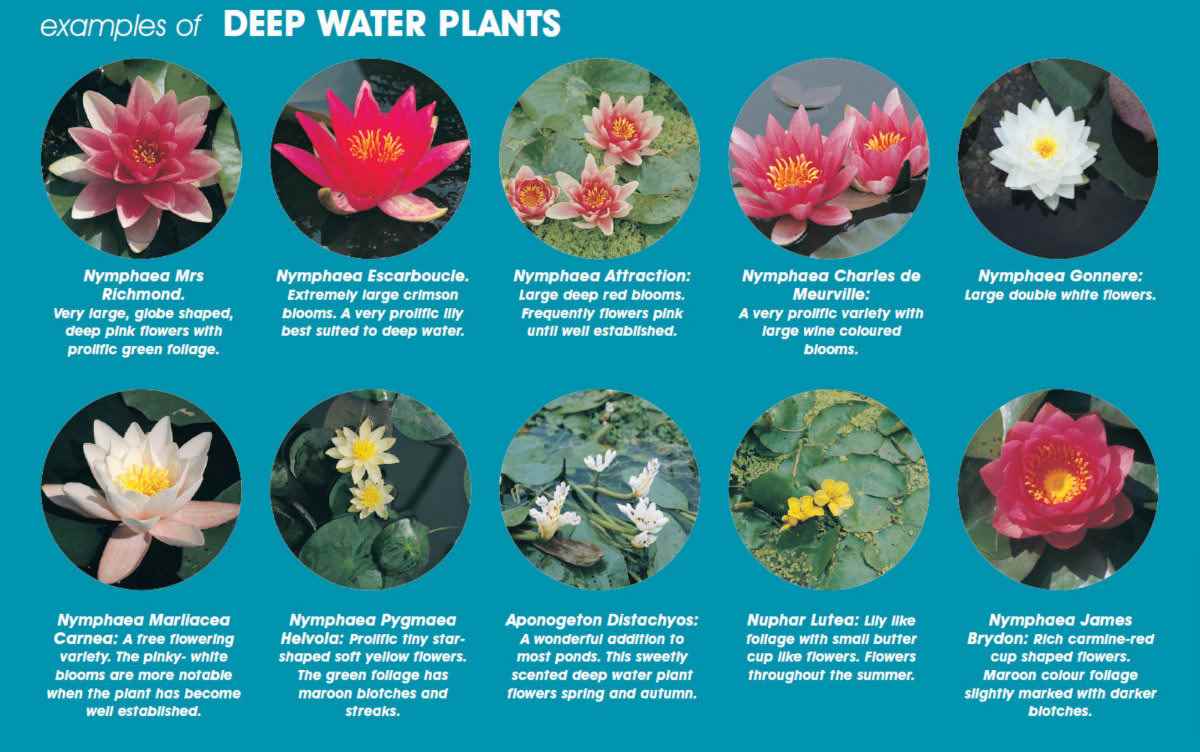
Water lilies Uk grown How to Plant World of Water
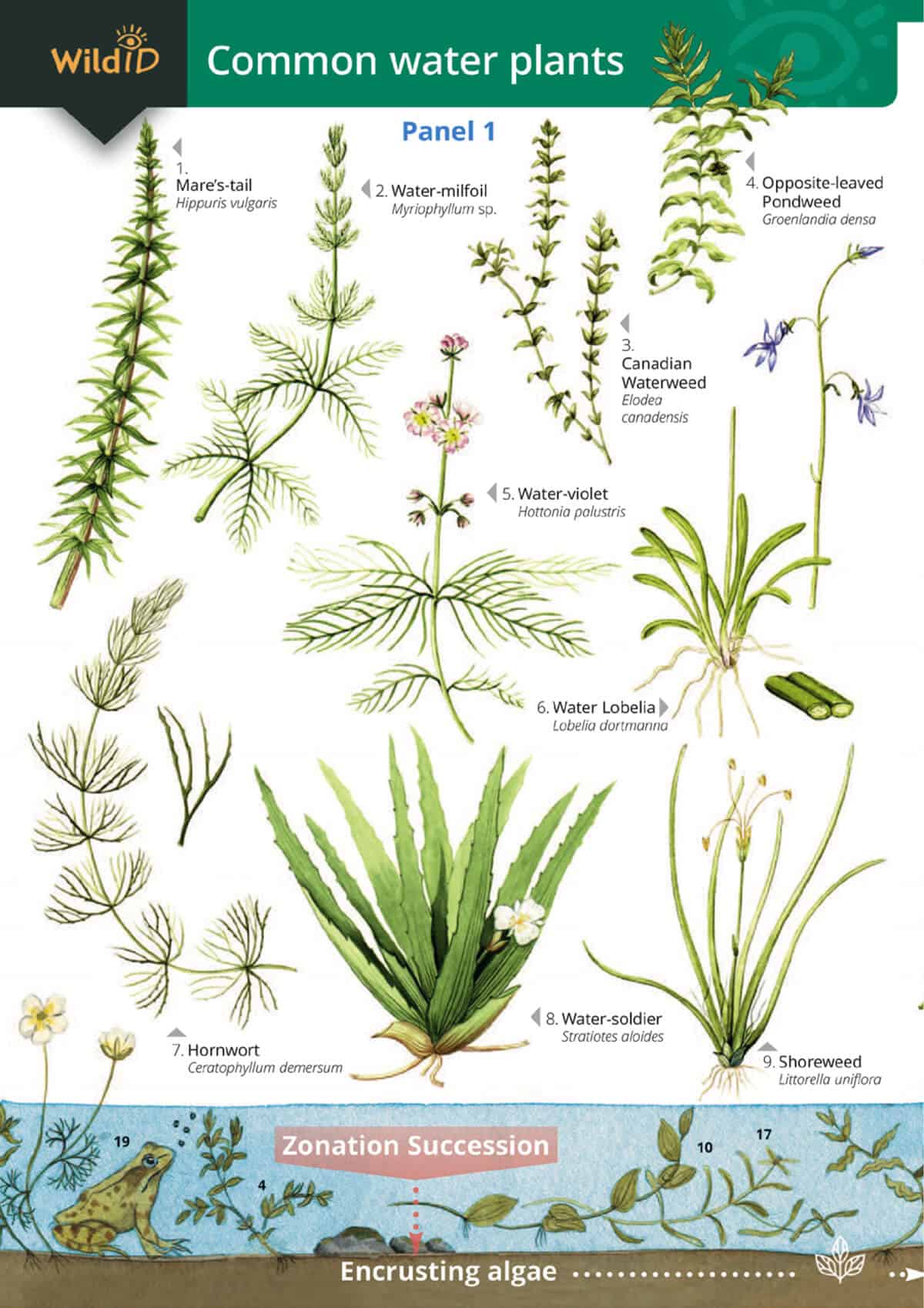
Water plants guide Field Studies Council

Aquatic Plant Identification Chart

10 Of The Best Plants For Betta Aquariums! Stories Of Water

WATER PLANTS CHART SIZE 12X18 (INCHS) 300GSM ARTCARD

Aquatic Plants Chart With Names
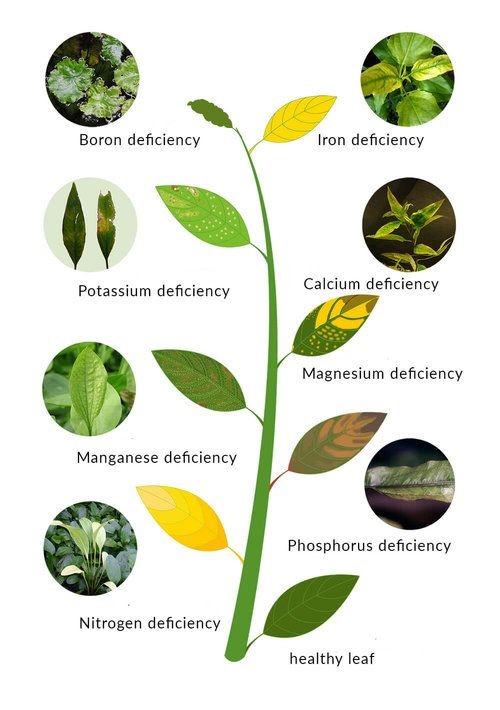
Understanding Aquarium Plant Basics

Aquatic Plants Chart With Names
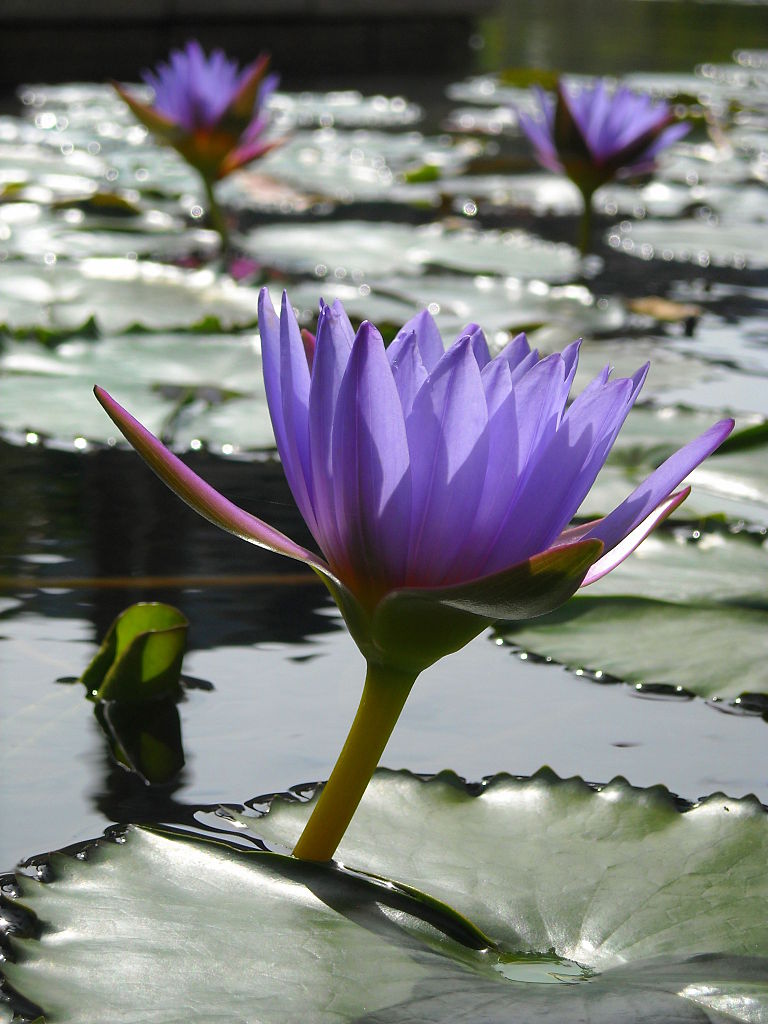
Aquatic Plants and Flowers ProFlowers Blog

Aquatic Plants Chart With Names
Web Aquatic Plants Play A Vital Role In Lake Ecosystems, Providing Benefits For Wildlife, People, And Water Health.
There Are Four Broad General Categories;
Chara Is Typically Low Growing And Can Be Identified By Its Musky Odor.
Web Cryptocorynes And Ludwigias Are Excellent Rooted Plants For The Middle Of A Planted Aquarium.
Related Post: