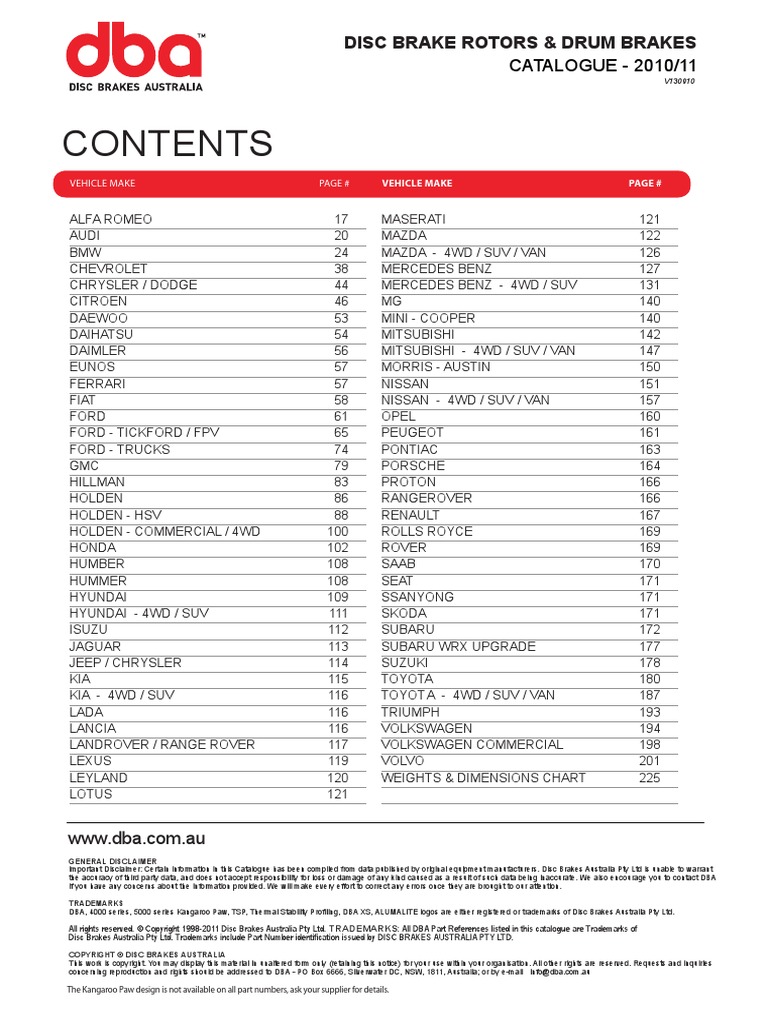
Brake Rotor Thickness Chart
Brake Rotor Thickness Chart - Adhere to minimum rotor thickness specifications, avoiding measurement near edges, slots, or holes. As shown here in figure 1 the base brake article contains a section titled technical specifications. Your rotor may exhibit signs of disc thickness variation (dtv). Nominal size thickness minus 1.6 mm. Web to measure the minimum brake rotor thickness correctly, you will need to use a gauge. By following the steps outlined in this guide, you can confidently interpret readings , ensuring your rotors meet specifications and your vehicle performs optimally. Regularly measuring brake rotor wear is important to maintain braking efficiency and avoid costly consequences. Web mastering the art of reading brake rotor thickness gauges empowers you to maintain a safe and reliable braking system. If your rotor has worn past this thickness or needs to be cut, you need new rotors. Web measuring brake rotor thickness is a vital maintenance task that ensures your braking system remains effective and safe. If your rotor has worn past this thickness or needs to be cut, you need new rotors. Web the 3 types of brake rotor thickness specs are: Web to measure the minimum brake rotor thickness correctly, you will need to use a gauge. Regularly measuring brake rotor wear is important to maintain braking efficiency and avoid costly consequences. Web to measure your rotor’s minimum operational thickness, place a micrometer at the thinnest point on the rotor’s surface where it meets the brake pads. Web the minimum thickness for general inspection (motor vehicle inspection) is defined as follows: Your rotor may exhibit signs of disc thickness variation (dtv). By following the steps outlined in this guide, you can confidently interpret readings , ensuring your rotors meet specifications and your vehicle performs optimally. As shown here in figure 1 the base brake article contains a section titled technical specifications. Web most specifications for rotor thickness are found in the “base brake” articles. Web to measure the minimum brake rotor thickness correctly, you will need to use a gauge. Web to measure your rotor’s minimum operational thickness, place a micrometer at the thinnest point on the rotor’s surface where it meets the brake pads. As shown here in figure 1 the base brake article contains a section titled technical specifications. Web the 3. Regularly measuring brake rotor wear is important to maintain braking efficiency and avoid costly consequences. Adhere to minimum rotor thickness specifications, avoiding measurement near edges, slots, or holes. Web most specifications for rotor thickness are found in the “base brake” articles. Nominal size thickness minus 1.6 mm. Web how to choose the right thickness of the rotors of your vehicle. Web the 3 types of brake rotor thickness specs are: Regularly measuring brake rotor wear is important to maintain braking efficiency and avoid costly consequences. If your rotor has worn past this thickness or needs to be cut, you need new rotors. Web follow specific steps and guidelines to accurately measure rotor thickness using a micrometer. Proper measurement can help. The thickness of the rotor is one factor that determines how well your vehicle will stop in a hurry. Proper measurement can help you determine if your rotors need replacing, preventing potential brake failure. Adhere to minimum rotor thickness specifications, avoiding measurement near edges, slots, or holes. The thicker the rotor, the more stopping power it has. Web the 3. Web to measure your rotor’s minimum operational thickness, place a micrometer at the thinnest point on the rotor’s surface where it meets the brake pads. Proper measurement can help you determine if your rotors need replacing, preventing potential brake failure. Web how to choose the right thickness of the rotors of your vehicle. If your rotor has worn past this. Web the 3 types of brake rotor thickness specs are: Adhere to minimum rotor thickness specifications, avoiding measurement near edges, slots, or holes. Web how to choose the right thickness of the rotors of your vehicle. The lowest value should be used as reference for the entire rotor. Web most specifications for rotor thickness are found in the “base brake”. The lowest value should be used as reference for the entire rotor. Regularly measuring brake rotor wear is important to maintain braking efficiency and avoid costly consequences. Web most specifications for rotor thickness are found in the “base brake” articles. Web measuring brake rotor thickness is a vital maintenance task that ensures your braking system remains effective and safe. Web. If your rotor has worn past this thickness or needs to be cut, you need new rotors. Proper measurement can help you determine if your rotors need replacing, preventing potential brake failure. Web the 3 types of brake rotor thickness specs are: Web the minimum thickness for general inspection (motor vehicle inspection) is defined as follows: Regularly measuring brake rotor. Nominal size thickness minus 1.6 mm. This section usually contains a chart indicating all. Your rotor may exhibit signs of disc thickness variation (dtv). If your rotor has worn past this thickness or needs to be cut, you need new rotors. The lowest value should be used as reference for the entire rotor. Measurements should be taken in at least 4 different points. Web to measure your rotor’s minimum operational thickness, place a micrometer at the thinnest point on the rotor’s surface where it meets the brake pads. Proper measurement can help you determine if your rotors need replacing, preventing potential brake failure. Web how to choose the right thickness of the rotors. Web to measure your rotor’s minimum operational thickness, place a micrometer at the thinnest point on the rotor’s surface where it meets the brake pads. Regularly measuring brake rotor wear is important to maintain braking efficiency and avoid costly consequences. If your rotor has worn past this thickness or needs to be cut, you need new rotors. This section usually contains a chart indicating all. The thicker the rotor, the more stopping power it has. The thickness of the rotor is one factor that determines how well your vehicle will stop in a hurry. Web to measure the minimum brake rotor thickness correctly, you will need to use a gauge. Web measuring brake rotor thickness is a vital maintenance task that ensures your braking system remains effective and safe. Web mastering the art of reading brake rotor thickness gauges empowers you to maintain a safe and reliable braking system. Your rotor may exhibit signs of disc thickness variation (dtv). Nominal size thickness minus 1.6 mm. Web the minimum thickness for general inspection (motor vehicle inspection) is defined as follows: Proper measurement can help you determine if your rotors need replacing, preventing potential brake failure. Web the 3 types of brake rotor thickness specs are: Web follow specific steps and guidelines to accurately measure rotor thickness using a micrometer. Adhere to minimum rotor thickness specifications, avoiding measurement near edges, slots, or holes.
Brake rotor minimum thickness chart toyota

How do you use the information on a brake rotor thickness chart
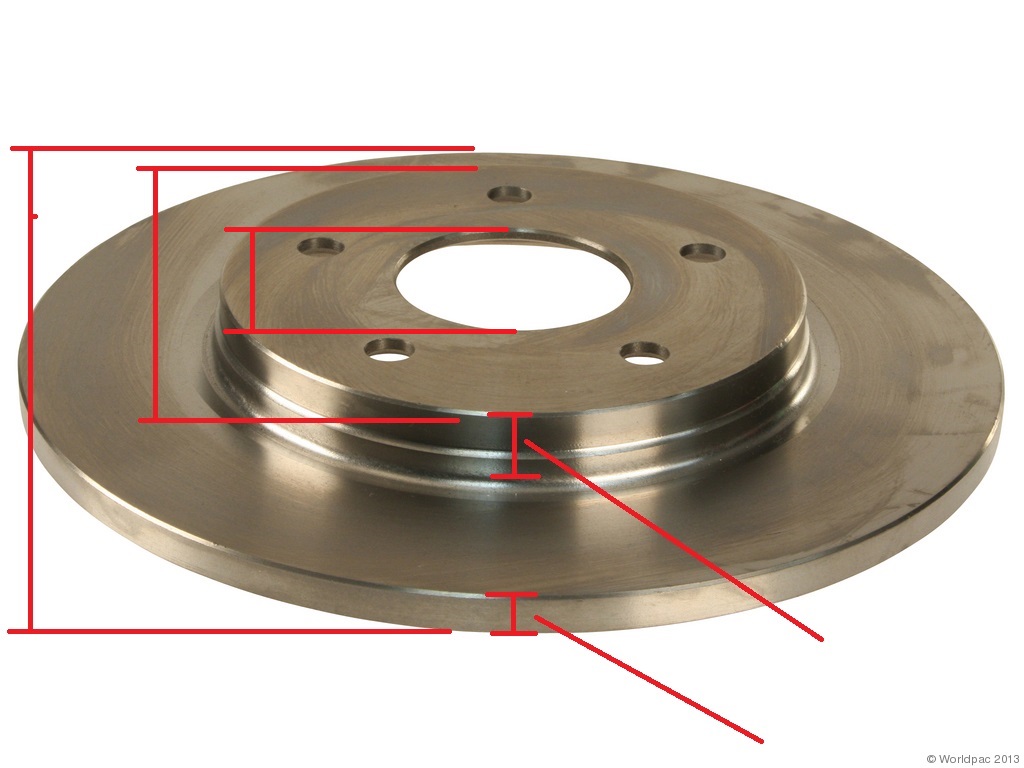
Brake Rotor Thickness Chart

Ford F150 Minimum Brake Rotor Thickness Chart / How do you use the
How to check & replace your BMW front disc brakes and rotors Page 6
Rotor Minimum Thickness Chart

Repair Guides Disc Brakes Brake Disc (rotor)
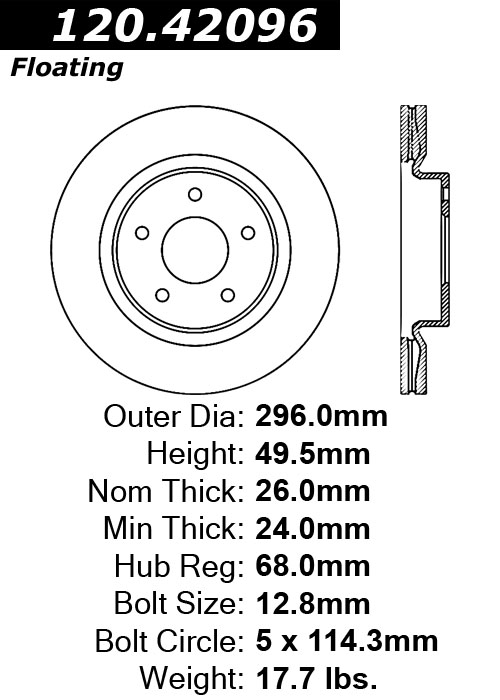
2006 chevy equinox brakes

Edel friedlich Dump tektro bremsscheibe dicke Gasförmig Schreibmaschine
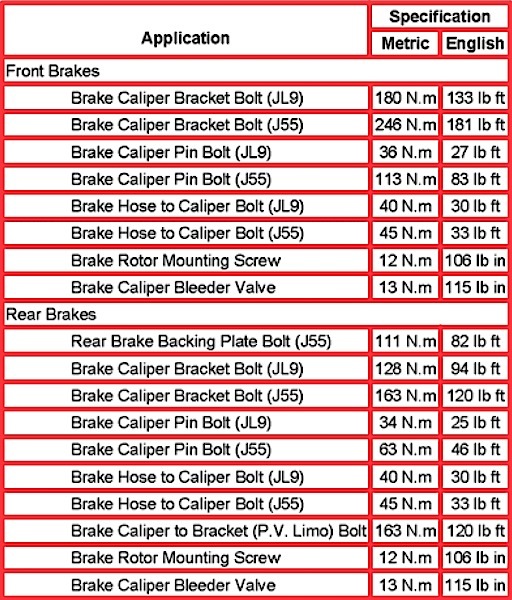
Minimum Rotor Thickness Chart Ford Best Picture Of Chart
Web Most Specifications For Rotor Thickness Are Found In The “Base Brake” Articles.
As Shown Here In Figure 1 The Base Brake Article Contains A Section Titled Technical Specifications.
Web How To Choose The Right Thickness Of The Rotors Of Your Vehicle.
By Following The Steps Outlined In This Guide, You Can Confidently Interpret Readings , Ensuring Your Rotors Meet Specifications And Your Vehicle Performs Optimally.
Related Post: