
Chart Of Nerves In Back
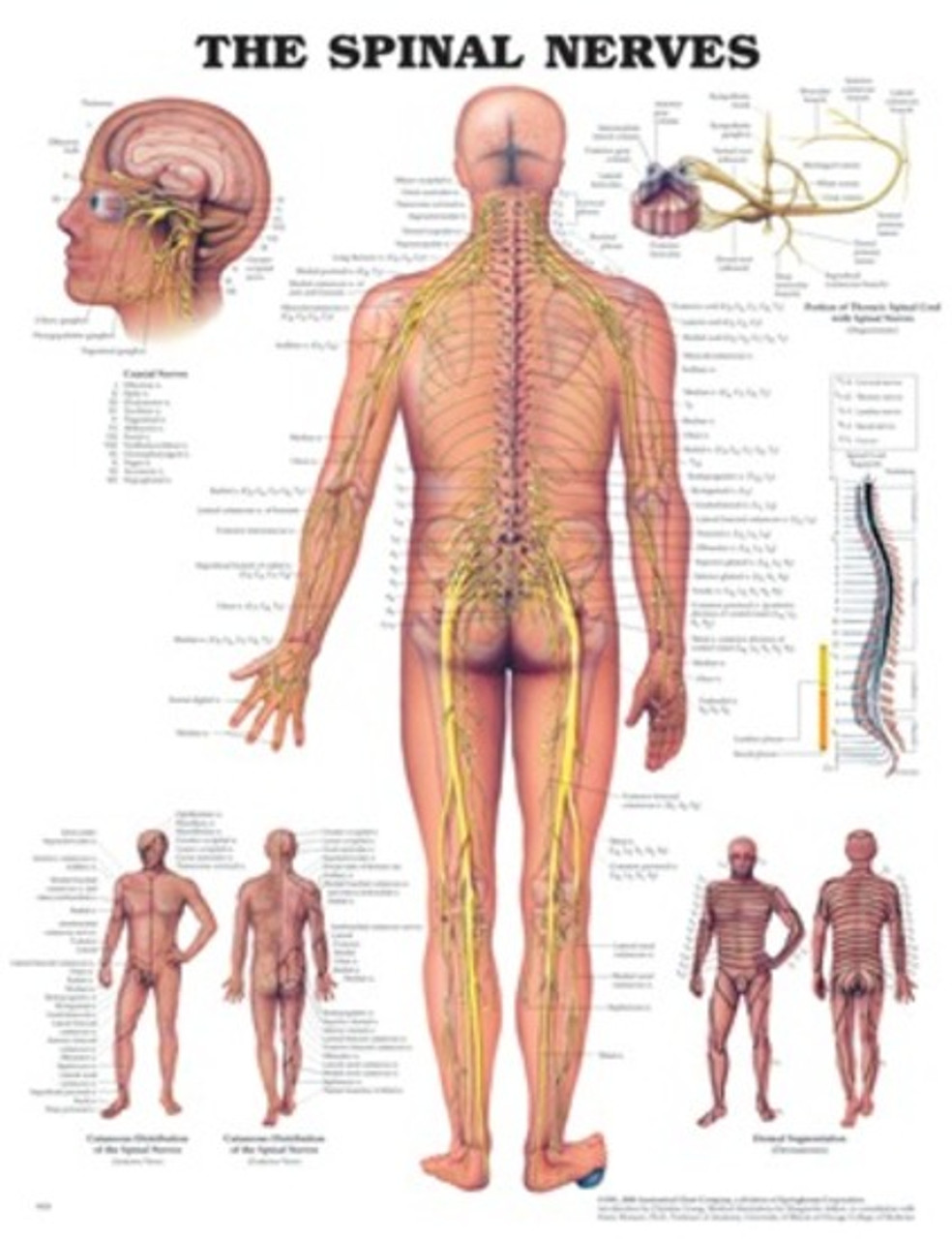
Chart Of Nerves In Back - This is a large nerve that runs from the lower back down the back of each leg. Many of the nerves of the peripheral nervous system, or pns, branch out from the spinal cord and travel to. On the chart below you will see 4 columns (vertebral level, nerve root, innervation, and possible symptoms). When something injures or puts. Spinal nerves are an integral part of the peripheral nervous system (pns). Web the nervous system of the abdomen, lower back, and pelvis contains many important nerve conduits that service this region of the body as well as the lower limbs. And lumbar and sacral nerves, which affect body movement from the hips to the feet. Web spinal nerves are peripheral nerves that emerge from the spinal cord and carry motor, sensory, and autonomic signals between the spinal cord and the rest of the body. Web this is a dynamic list and may never be able to satisfy particular standards for completeness. Web there are seven cervical vertebrae at the top, followed by 11 thoracic vertebrae, five lumbar vertebrae at the lower back, and five fused vertebrae at the bottom to create the sacrum. The back comprises the spine and spinal nerves, as well as several different muscle groups. Web together, the brain and spinal cord make up the central nervous system. We’ll explore more about both your spinal nerves and dermatomes, including a chart showing. The spine is composed of. The spine’s four sections, from top to bottom, are the cervical (neck), thoracic (abdomen,) lumbar (lower back), and. Your spinal cord, made up of billions of nerves, lies inside your spinal column, protected on all sides by bone. Web these nerves are located at the cervical (neck), thoracic (upper back), lumbar (lower back), sacral (sacrum, which forms part of the pelvis), and coccygeal (tailbone) levels. Web how to use the spinal nerve chart: Web is a pinched nerve causing your problem? Many of the nerves of the peripheral nervous system, or pns, branch out from the spinal cord and travel to. Numerous muscles, ligaments and tendons support the spine, providing it with flexibility and a great range of motion. When something injures or puts. Seven in your neck (cervical spine ), 12 in your midback (thoracic spine) and 5 in your lower back (lumbar spine). Web these nerves are located at the cervical (neck), thoracic (upper back), lumbar (lower back), sacral. Web how to use the spinal nerve chart: There are 31 pairs of spinal nerves: Web the nervous system of the abdomen, lower back, and pelvis contains many important nerve conduits that service this region of the body as well as the lower limbs. Web spinal nerves are peripheral nerves that emerge from the spinal cord and carry motor, sensory,. 8 cervical, 12 thoracic, 5 lumbar, 5 sacral, and 1 coccygeal, named according to their corresponding vertebral levels. Web is a pinched nerve causing your problem? Web your spinal column or ‘backbone’ is made up of 24 vertebrae: Numerous muscles, ligaments and tendons support the spine, providing it with flexibility and a great range of motion. On the chart below. It is formed by a chain of 33 interconnected vertebrae and their intervening joints. Web spinal nerves are peripheral nerves that emerge from the spinal cord and carry motor, sensory, and autonomic signals between the spinal cord and the rest of the body. On the chart below you will see 4 columns (vertebral level, nerve root, innervation, and possible symptoms).. 8 cervical, 12 thoracic, 5 lumbar, 5 sacral, and 1 coccygeal, named according to their corresponding vertebral levels. Your spine is made up of vertebrae (bones), disks, joints, soft tissues, nerves and your spinal cord. It forms the axial skeleton together with the skull and rib cage. The back comprises the spine and spinal nerves, as well as several different. The lumbar myotomes supply the muscles involved in moving the lower back, hip, knee, foot, and toes. The peripheral nerves are responsible for sensations and muscle movements. Web the nervous system of the abdomen, lower back, and pelvis contains many important nerve conduits that service this region of the body as well as the lower limbs. Numerous muscles, ligaments and. 8 cervical, 12 thoracic, 5 lumbar, 5 sacral, and 1 coccygeal, named according to their corresponding vertebral levels. Your spine is an important bone structure that supports your body and helps you walk, twist and move. Lists of human anatomical features. The spinal cord begins at the base of the brain and extends into the pelvis. Each pair of spinal. The central nervous system (cns) and the peripheral nervous system (pns). The sections below will cover these elements in more detail. The vertebral column (spine) is the bony core of the back. We’ll explore more about both your spinal nerves and dermatomes, including a chart showing. Seven in your neck (cervical spine ), 12 in your midback (thoracic spine) and. Afferent neurons, efferent neurons, and interneurons. On the chart below you will see 4 columns (vertebral level, nerve root, innervation, and possible symptoms). The spinal cord and peripheral nerves. The sections below will cover these elements in more detail. 8 cervical, 12 thoracic, 5 lumbar, 5 sacral, and 1 coccygeal, named according to their corresponding vertebral levels. They are the structures through which the central nervous system (cns) receives sensory information from the periphery, and through which the activity of the trunk and the limbs is regulated. The central nervous system (cns) and the peripheral nervous system (pns). Your spine is an important bone structure that supports your body and helps you walk, twist and move. Web. This is a large nerve that runs from the lower back down the back of each leg. The spine is composed of. Numerous muscles, ligaments and tendons support the spine, providing it with flexibility and a great range of motion. Afferent neurons, efferent neurons, and interneurons. Spinal nerves are an integral part of the peripheral nervous system (pns). Your spinal cord, made up of billions of nerves, lies inside your spinal column, protected on all sides by bone. It forms the axial skeleton together with the skull and rib cage. Web is a pinched nerve causing your problem? They are the structures through which the central nervous system (cns) receives sensory information from the periphery, and through which the activity of the trunk and the limbs is regulated. The spinal cord and peripheral nerves. When something injures or puts. The central nervous system (cns) and the peripheral nervous system (pns). You can help by adding missing items with reliable sources. Web how to use the spinal nerve chart: Also known as sensory neurons, afferent neurons transmit sensory signals to the central nervous system from receptors in the body. Thoracic nerves, which affect breathing and the muscles in the body’s core;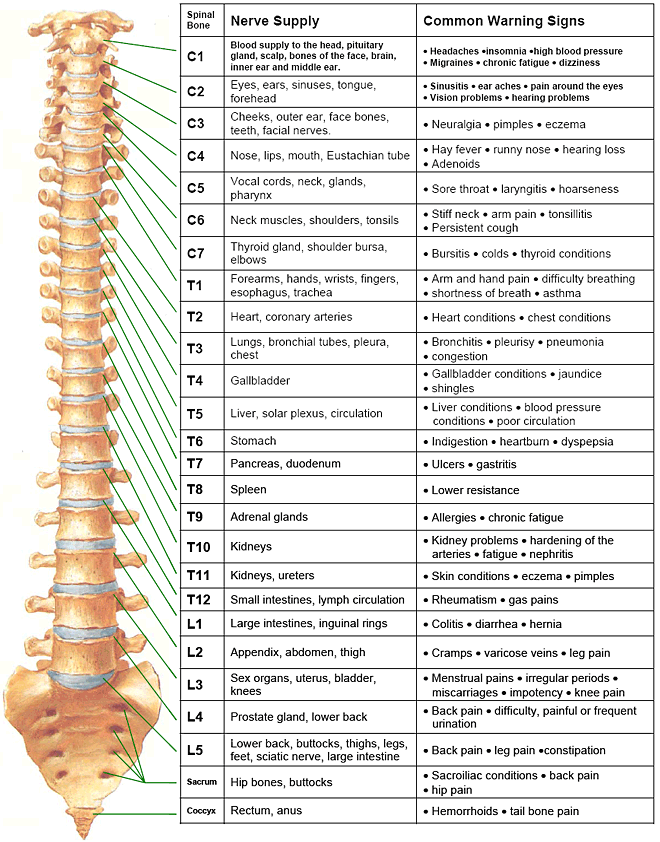
spinalnervechart Schertz Chiropractic

Nerve chart Subluxation, Chiropractic care, Spine health

Spinal Nerve Chart

All About The Spinal Cord Spinal Nerve Distribution C vrogue.co
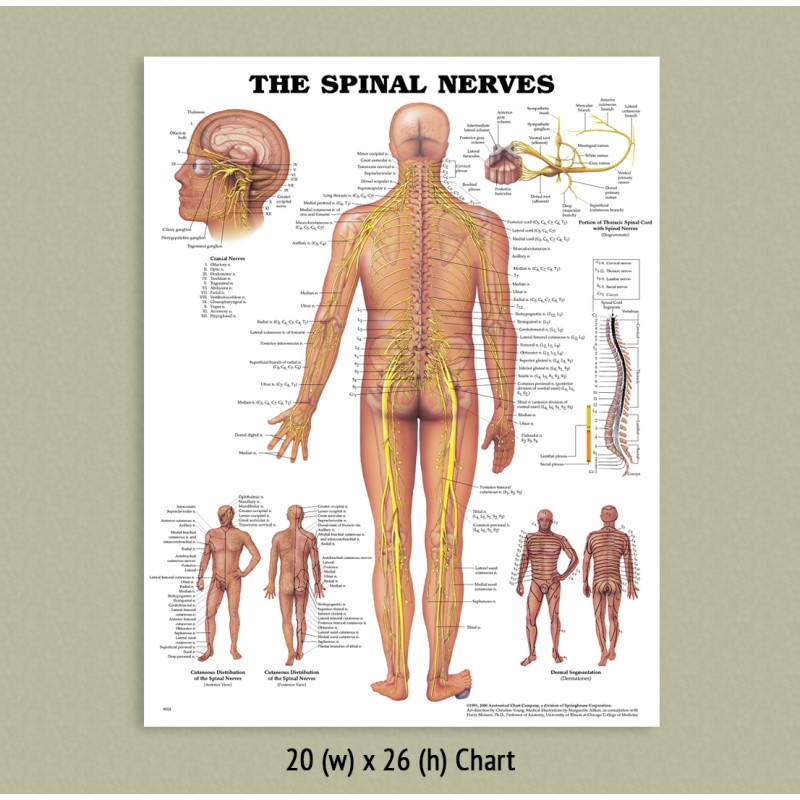
Back Talk Systems, Colorado »Spinal Nerves Anatomical Chart

Diagram Of Nerves In Lower Back

Spinal Nerve Chart Print 5x7 Etsy Nerve anatomy, Spinal nerves
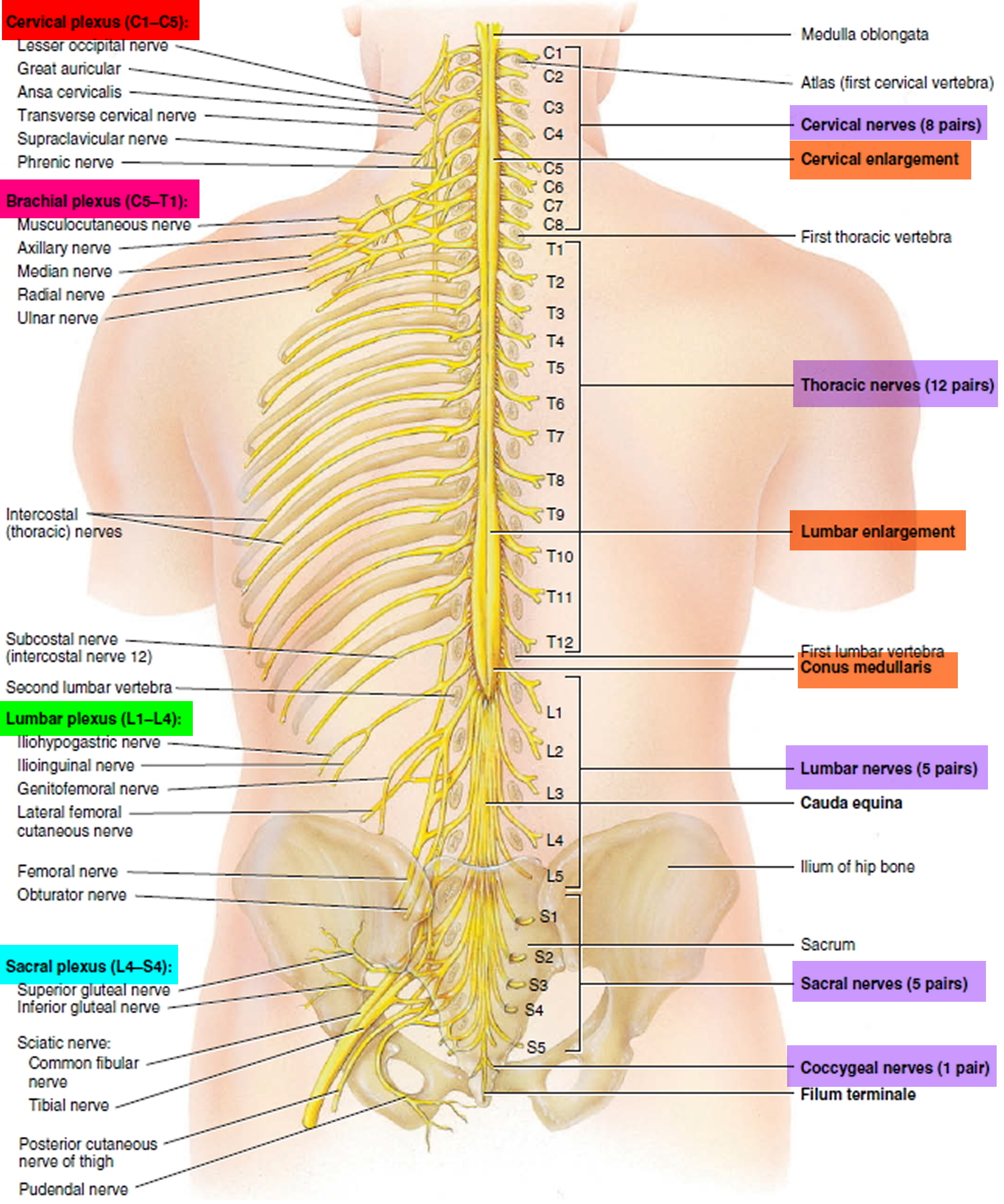
Spinal Cord Anatomy Parts and Spinal Cord Functions
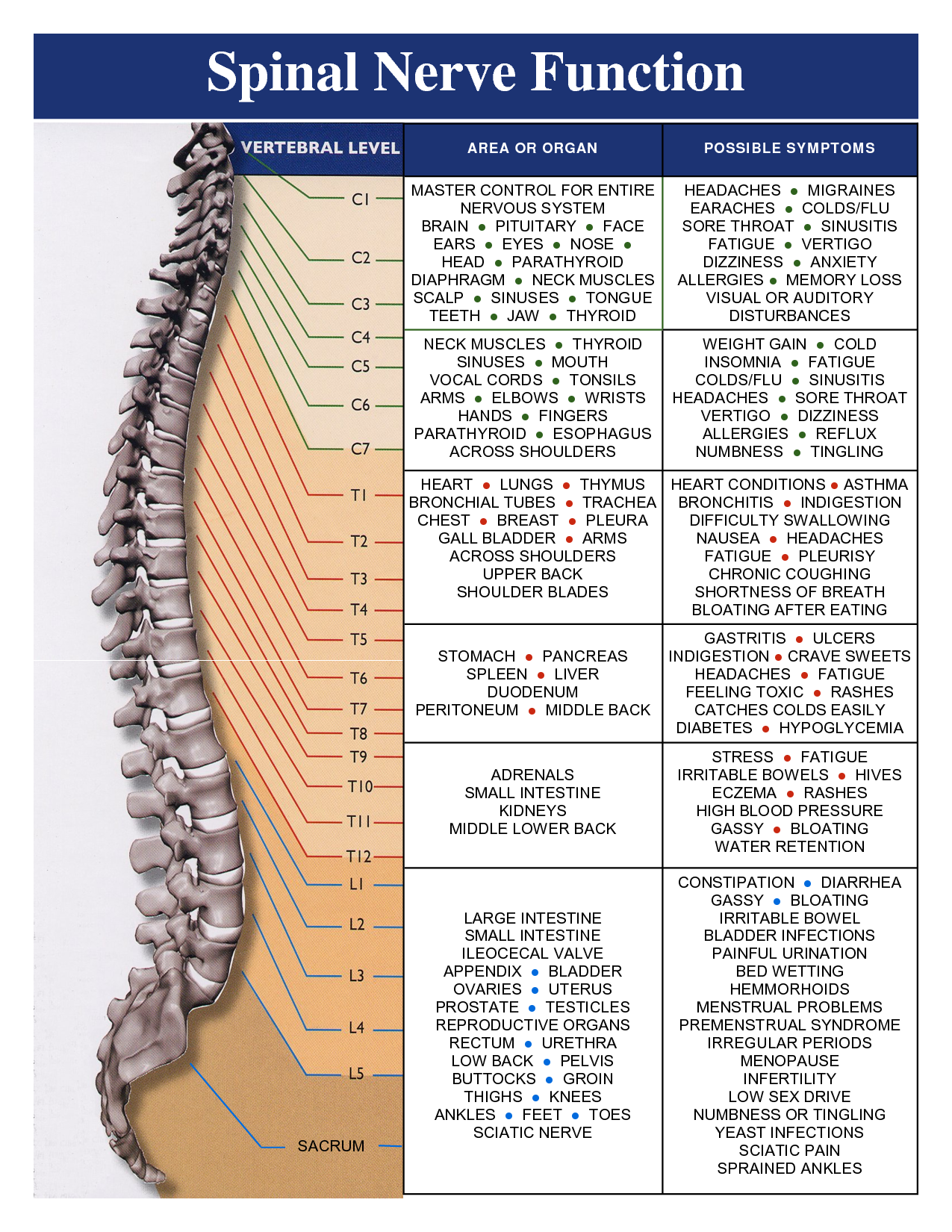
Vital Connections Briggs Chiropractic Clinic
Spinal Nerves Anatomical Chart Southern Biological
Web Health Library / Body Systems & Organs / Spine Structure And Function.
Web Together, The Brain And Spinal Cord Make Up The Central Nervous System.
On The Chart Below You Will See 4 Columns (Vertebral Level, Nerve Root, Innervation, And Possible Symptoms).
There Are 31 Pairs Of Spinal Nerves:
Related Post: