
Chemical Nomenclature Chart
Chemical Nomenclature Chart - Web in chemical nomenclature, the iupac nomenclature of organic chemistry is a method of naming organic chemical compounds as recommended [1] [2] by the international union of pure and applied chemistry (iupac). Web the primary function of chemical nomenclature is to ensure that a spoken or written chemical name leaves no ambiguity concerning which chemical compound the name refers to: By the end of this section, you will be able to: For atoms that have two or more present, a subscript. The rules we use depends on the type of compound we are attempting to name. Web the system used for naming chemical substances depends on the nature of the molecular units making up the compound. These are usually either ions or molecules; Different rules apply to each. Web the basics of organic nomenclature, of inorganic nomenclature and polymer nomenclature are summarized in a collection of brief guides accessible below. This section is designed to help you review some of those rules and conventions. This chapter describes an approach that is used to name simple ionic and molecular compounds, such as [latex]\ce{nacl}[/latex], [latex]\ce{caco3}[/latex], and [latex]\ce{n2o4}[/latex]. This section is designed to help you review some of those rules and conventions. This module describes an approach that is used to name simple ionic and molecular compounds, such as nacl, caco 3, and n 2 o 4. Web chemical nomenclature is a set of rules to generate systematic names for chemical compounds. Binary compound (metal/nonmetal) with variable charge cation: Web the system used for naming chemical substances depends on the nature of the molecular units making up the compound. Web derive names for common types of inorganic compounds using a systematic approach. For naming purposes, a chemical compound is treated as a combination of a parent compound (section 5) and characteristic (functional) groups, one of which is The rules we use in nomenclature depend on the types of bonds the compound has and these are outlined in figure 2.7.1 2.7. Derive names for common types of inorganic compounds using a systematic approach. Chemists use specific rules and conventions to name different compounds. Iupac is best known for its works standardizing nomenclature in chemistry and other fields of science. Web the international union of pure and applied chemistry (iupac) is an international federation of organizations that represents chemists in individual countries. Web chemical nomenclature is a set of rules to generate systematic names. Web the following website provides practice with naming chemical compounds and writing chemical formulas. Different rules apply to each. Web tutorials and problem sets. Long before chemists knew the formulas for chemical compounds, they developed a system of nomenclature that gave each compound a unique name. The rules we use in nomenclature depend on the types of bonds the compound. The nomenclature used most frequently worldwide is the one created and developed by the international union of pure and applied chemistry (iupac). These five common classes of compounds are. Web the system used for naming chemical substances depends on the nature of the molecular units making up the compound. Today we often use chemical formulas, such as nacl, c 12. Long before chemists knew the formulas for chemical compounds, they developed a system of nomenclature that gave each compound a unique name. Web in chemical nomenclature, the iupac nomenclature of organic chemistry is a method of naming organic chemical compounds as recommended [1] [2] by the international union of pure and applied chemistry (iupac). To summarize, many compounds may be. These compilations are coordinated by the division of chemical nomenclature and. Nomenclature, a collection of rules for naming things, is important in science and in many other situations. Web the system used for naming chemical substances depends on the nature of the molecular units making up the compound. Web the basics of organic nomenclature, of inorganic nomenclature and polymer nomenclature. To summarize, many compounds may be classified into five different categories, each of which uses a slightly different, but related, set of rules. If only one atom of a specific type is present, no subscript is used. Chemists use specific rules and conventions to name different compounds. This module describes an approach that is used to name simple ionic and. For naming purposes, a chemical compound is treated as a combination of a parent compound (section 5) and characteristic (functional) groups, one of which is Web the primary function of chemical nomenclature is to ensure that a spoken or written chemical name leaves no ambiguity concerning which chemical compound the name refers to: Web in this section we will look. These compilations are coordinated by the division of chemical nomenclature and. Web chemical nomenclature | introduction to chemistry. Different rules apply to each. Web in chemical nomenclature, the iupac nomenclature of organic chemistry is a method of naming organic chemical compounds as recommended [1] [2] by the international union of pure and applied chemistry (iupac). The rules we use depends. Today we often use chemical formulas, such as nacl, c 12 h 22 o 11, and co (nh 3) 6 (clo 4) 3 , to describe chemical compounds. The goal of the system is to provide each organic compound with a unique and unambiguous name based on its chemical formula and structure. To summarize, many compounds may be classified into. In this section, we discuss. Web the basics of organic nomenclature, of inorganic nomenclature and polymer nomenclature are summarized in a collection of brief guides accessible below. You can choose binary, polyatomic, and variable charge ionic compounds, as well as molecular compounds. Web derive names for common types of inorganic compounds using a systematic approach. Web the primary function of. Web in chemical nomenclature, the iupac nomenclature of organic chemistry is a method of naming organic chemical compounds as recommended [1] [2] by the international union of pure and applied chemistry (iupac). Web derive names for common types of inorganic compounds using a systematic approach. These are usually either ions or molecules; This module describes an approach that is used to name simple ionic and molecular compounds, such as nacl, caco 3, and n 2 o 4. Chemical nomenclature is the term given to the naming of compounds. To summarize, many compounds may be classified into five different categories, each of which uses a slightly different, but related, set of rules. Each chemical name should refer to a single substance. The nomenclature used most frequently worldwide is the one created and developed by the international union of pure and applied chemistry (iupac). Web the international union of pure and applied chemistry (iupac) is an international federation of organizations that represents chemists in individual countries. By the end of this section, you will be able to: Web specialists in nomenclature recognise two different categories of nomenclature. Web iupac nomenclature is used for the naming of chemical compounds, based on their chemical composition and their structure. Web nomenclature, a collection of rules for naming things, is important in science and in many other situations. Web chemical nomenclature | introduction to chemistry. Today we often use chemical formulas, such as nacl, c 12 h 22 o 11, and co (nh 3) 6 (clo 4) 3 , to describe chemical compounds. The goal of the system is to provide each organic compound with a unique and unambiguous name based on its chemical formula and structure.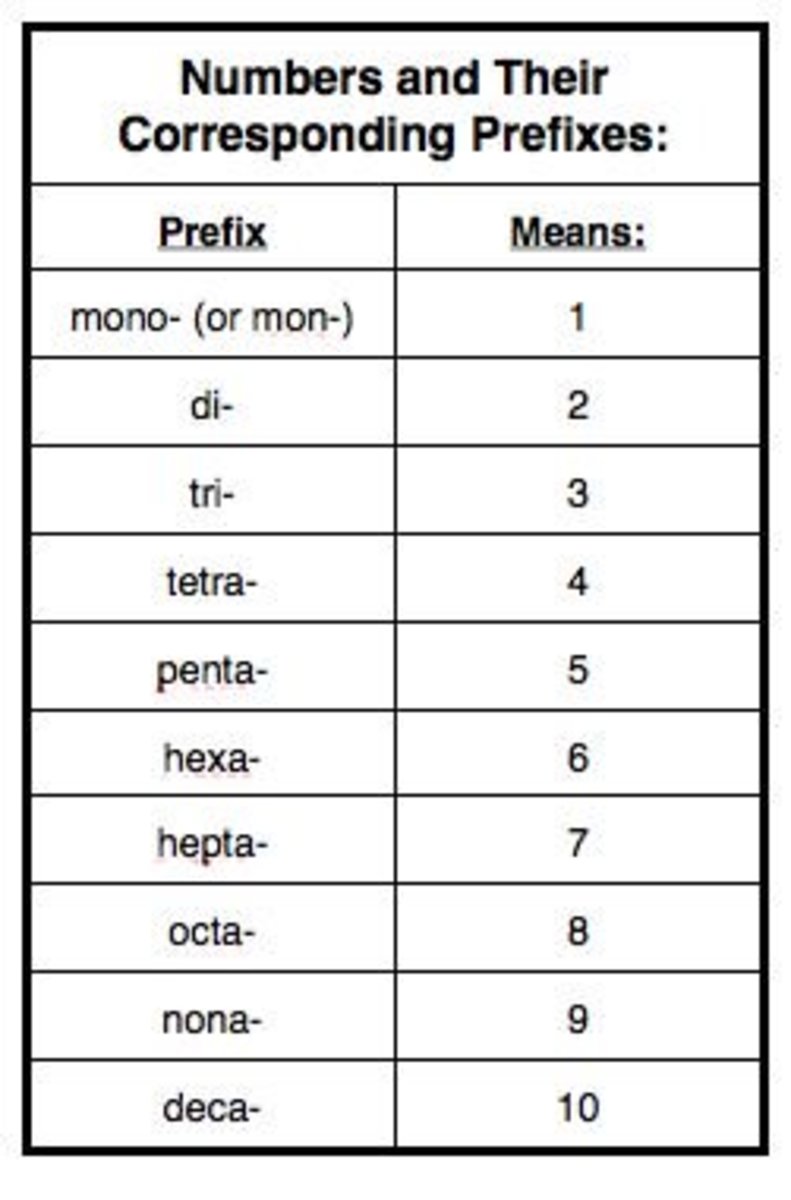
Chemistry Nomenclature Chart
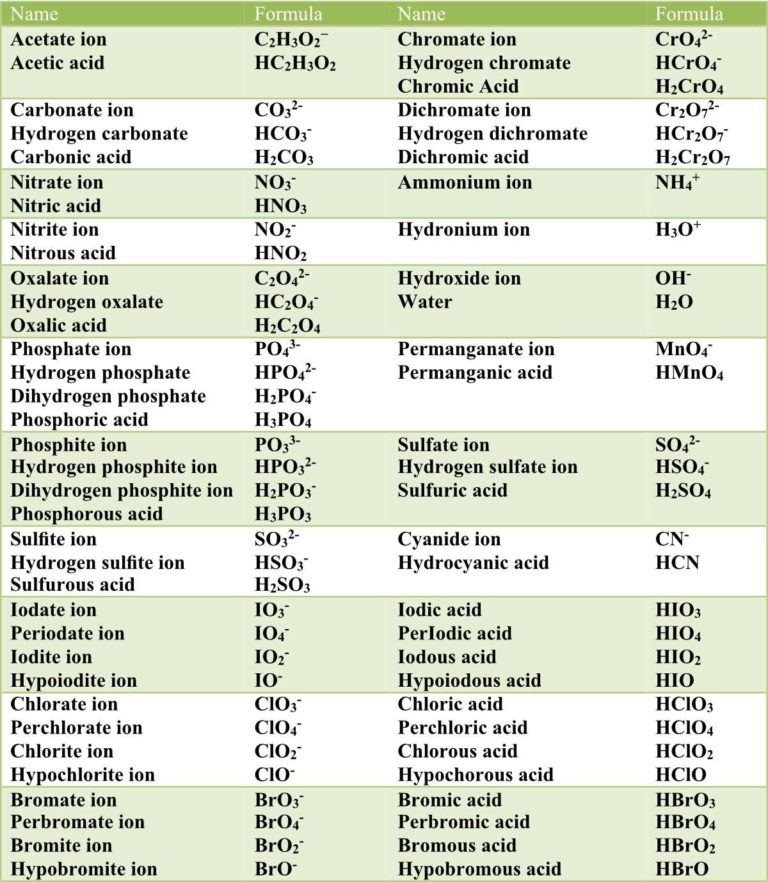
Nomenclature of Acids Pathways to Chemistry

Chemistry Nomenclature Chart
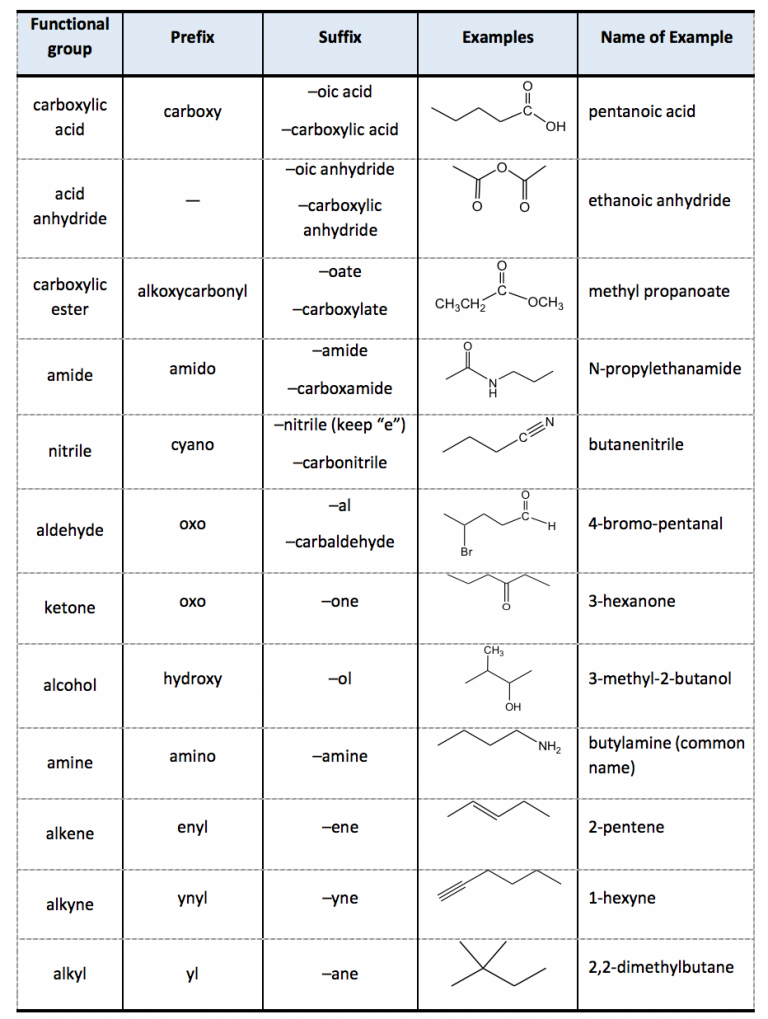
Chemistry Nomenclature Chart
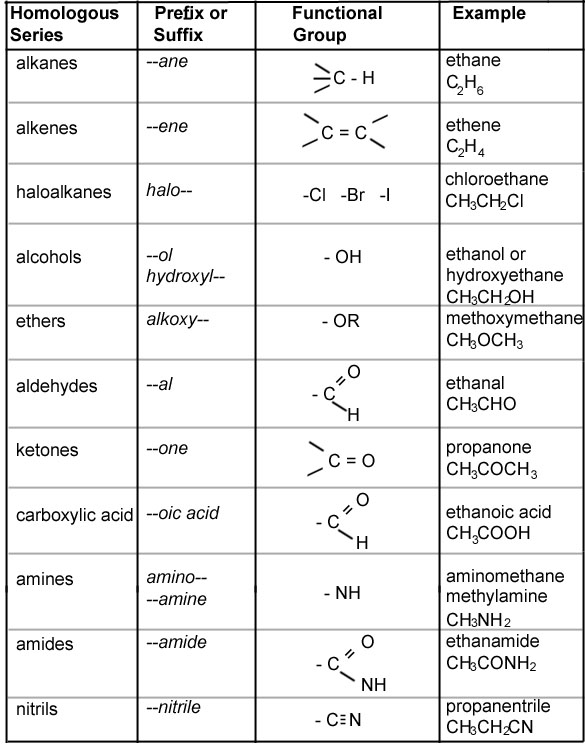
CPSC Organic Chemistry Nomenclature
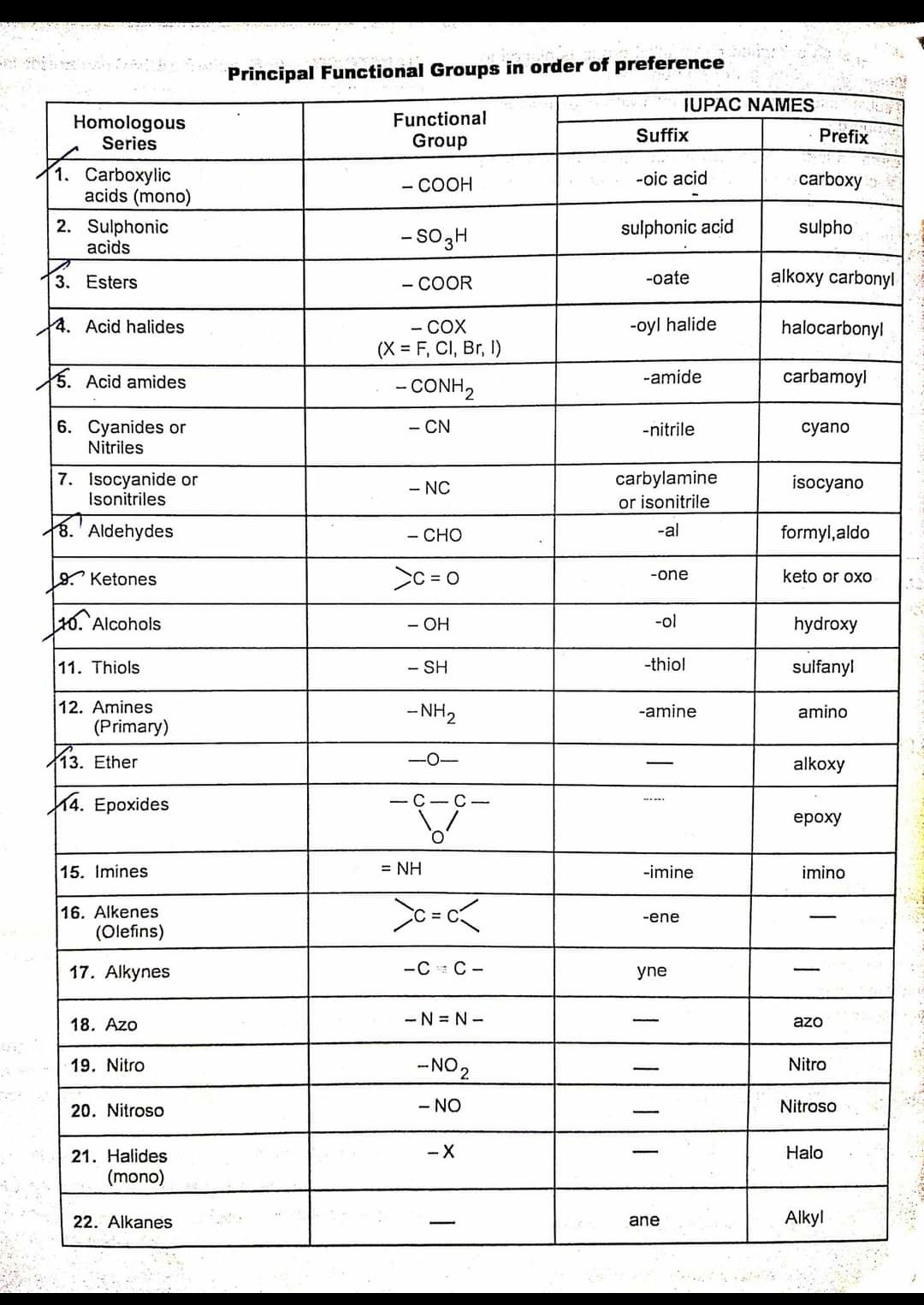
IUPAC Chart Functional Group And Suffix Prefix And Their Principal
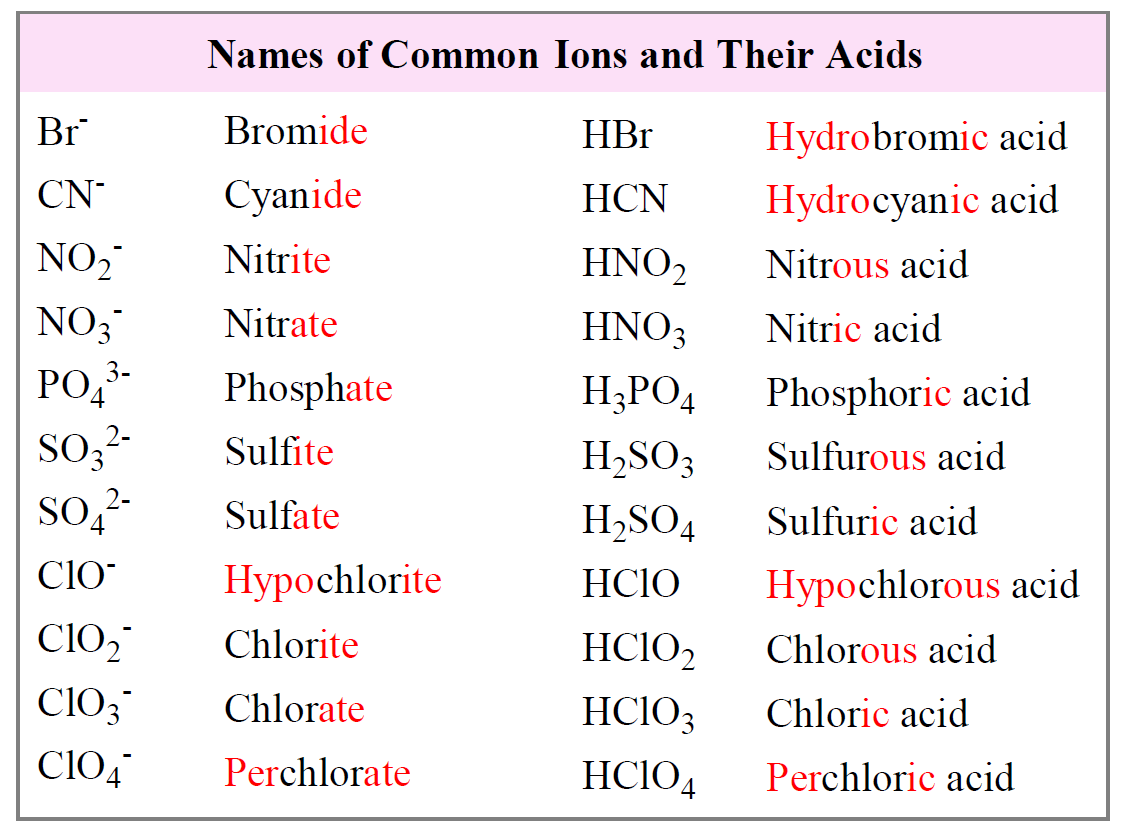
Naming Acids and Bases Chemistry Steps

Organic Chemistry Nomenclature Chart
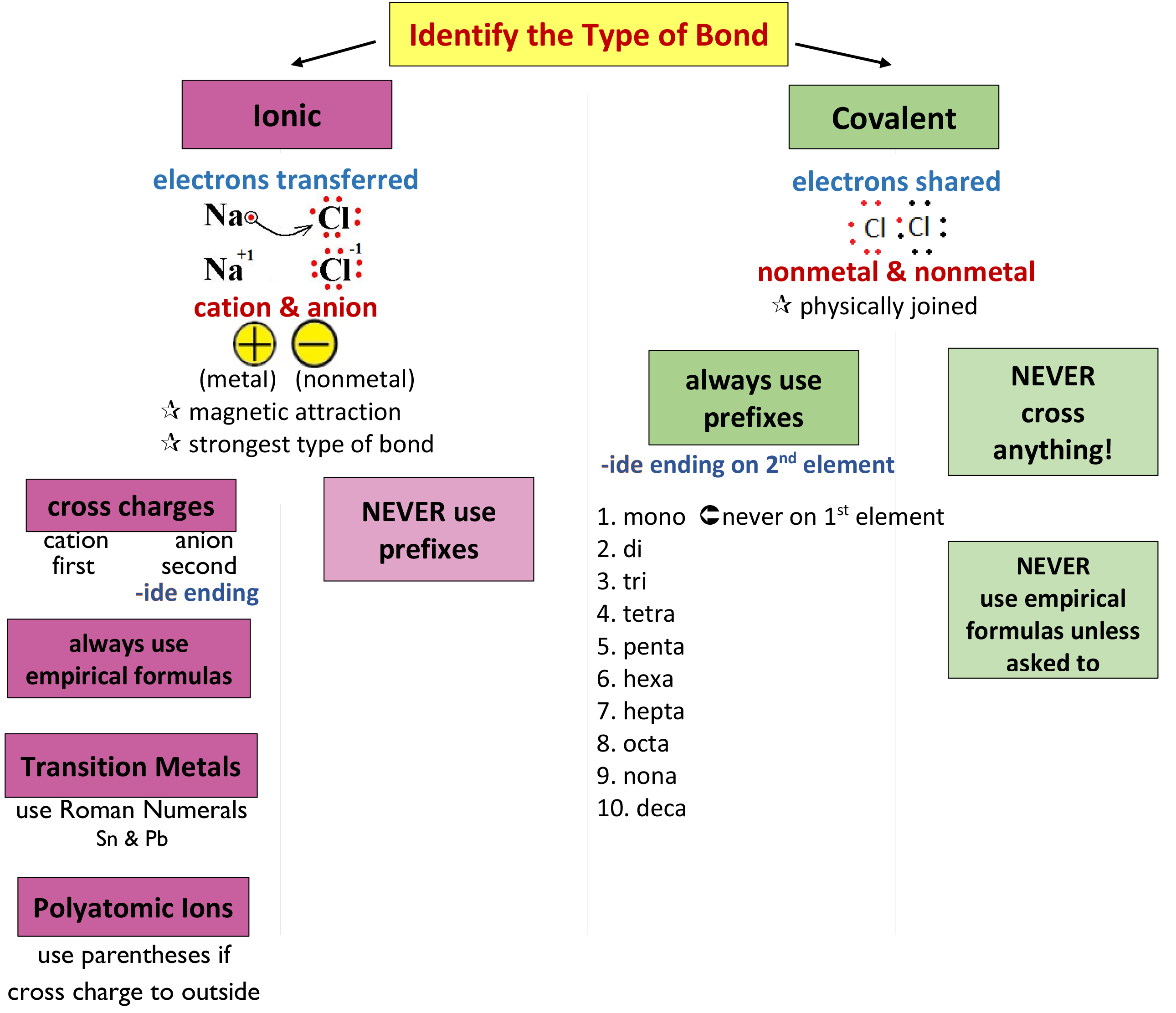
07 Nomenclature Mrs. Cook's Chemistry Class
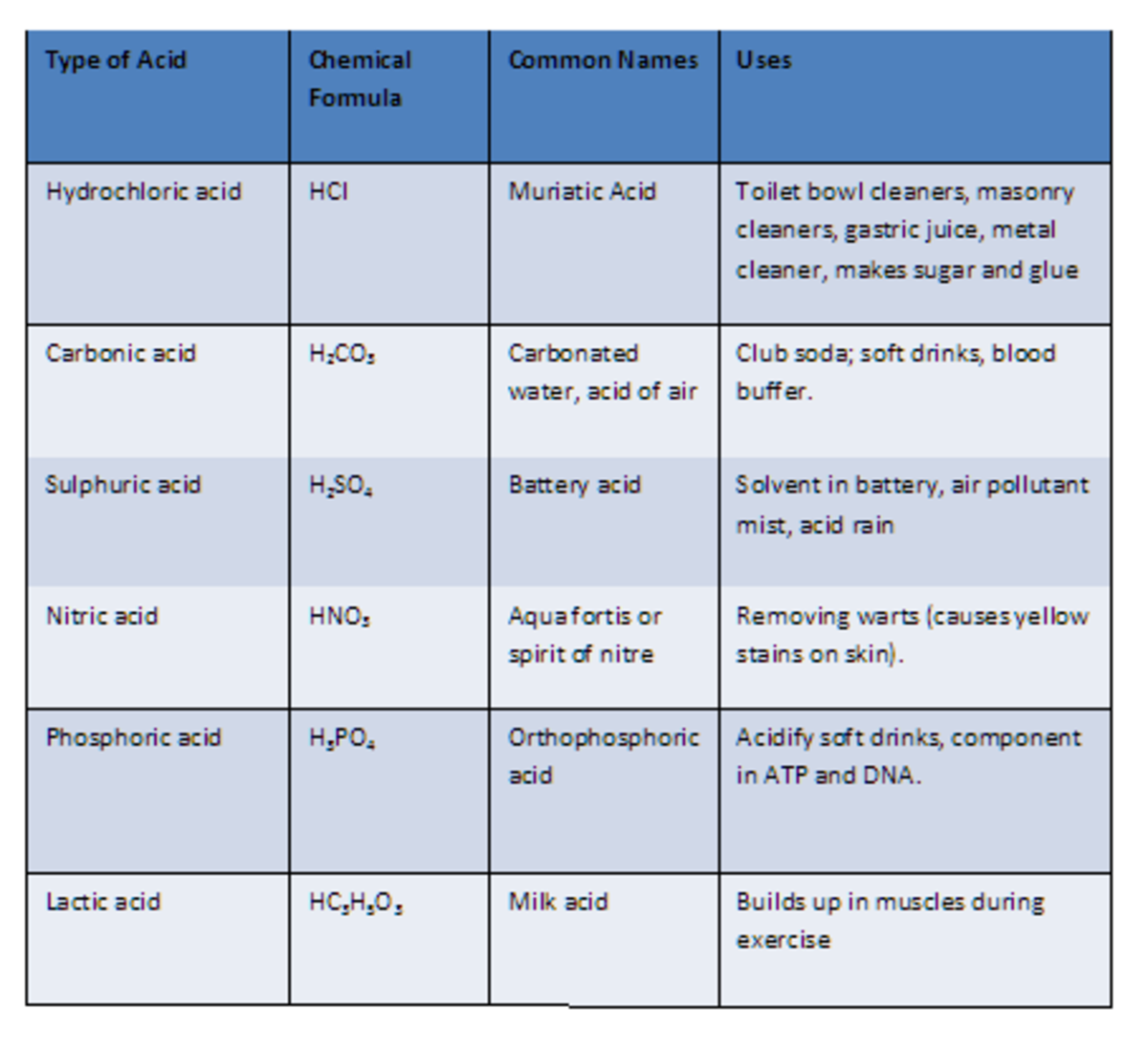
Chemical Nomenclature and Chemical Formulas Owlcation
Names That Are Arbitrary (Including The Names Of The Elements, Such As Sodium And Hydrogen) As Well As Laboratory Shorthand Names (Such As Diphos And Lithal) Are
These Five Common Classes Of Compounds Are.
Web The Full Text Of Iupac And Iubmb Organic And Biochemical Nomenclature Recommendations.
The Rules We Use In Nomenclature Depend On The Types Of Bonds The Compound Has And These Are Outlined In Figure 2.7.1 2.7.
Related Post: