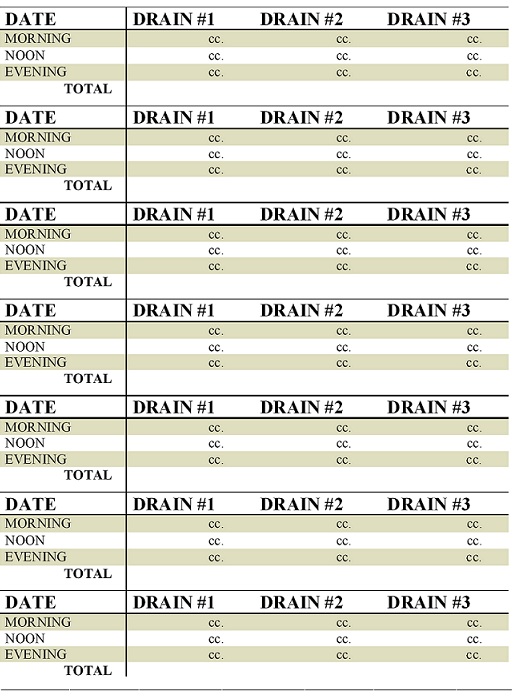
Discharge Surgical Drain Fluid Color Chart
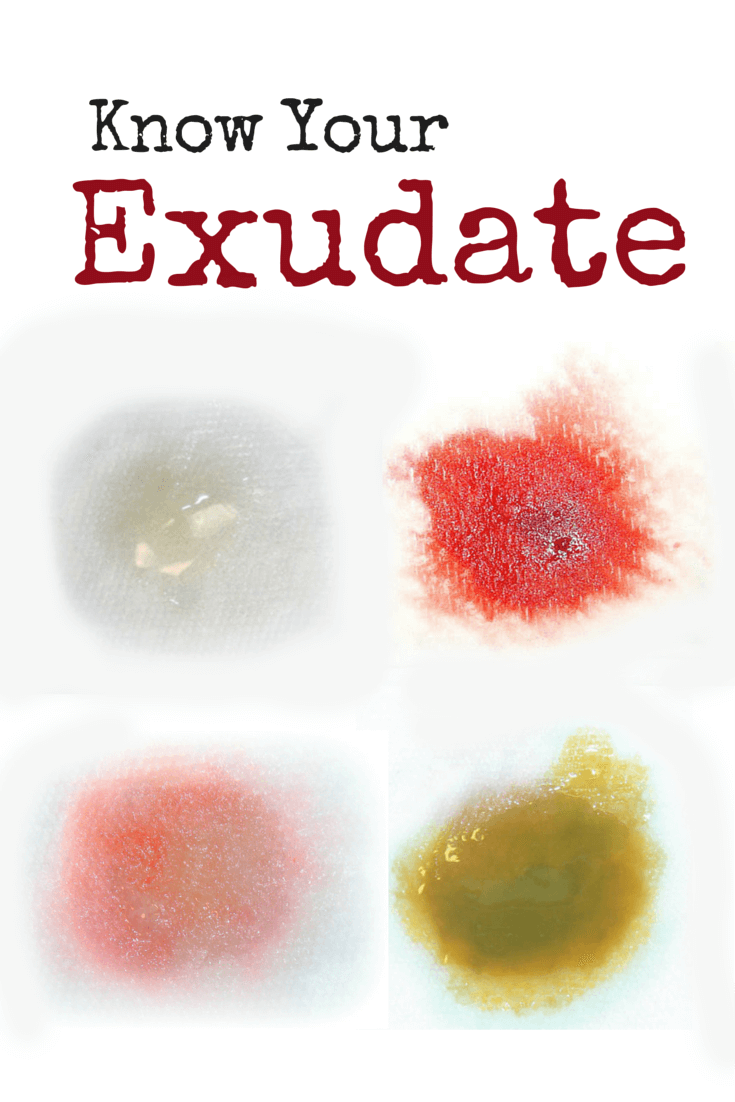
Discharge Surgical Drain Fluid Color Chart - If your doctor asks you to measure the fluid, empty the fluid into a measuring cup,. There is a great deal of drainage around the drain insertion. Normal wound drainage involves the serosanguineous discharge of thin, watery fluids that may be clear or contain tiny amounts of blood. Abnormal wound drainage is when the discharge is thick, bloody, or has a milky white, yellow, green, gray, or brown color (often with a foul smell). Use the charts below to write down the date, time and amount (ml). Web the fluid in the jp drain will change color as the wound ages and as the amount of fluid decreases. Check the amount and color of drainage in the measuring container. Lift the stopper on the drain bulb. Serous drainage is a clear to yellow fluid that’s a little bit thicker than water. Web wound drainage can help wound care professionals identify wounds that need a change in care. Serous drainage is a clear to yellow fluid that’s a little bit thicker than water. The more active you are, the more. Web the fluid is yellow or green and cloudy. To use one, you’ll need to regularly. Put on new latex gloves. Take the plug out of the bulb. Use the charts below to write down the date, time and amount (ml). • clots in the tubing are normal, unless they cause you to stop draining fluid. This depends on where the surgeon puts the drain. Web when assessing and documenting a wound, it is important to note the amount and type of wound exudate (drainage). Web the amount of serosanguineous fluid should decrease each day and the color of the fluid will turn light pink or light yellow. Your surgeon will usually remove the bulb. Serous drainage is a clear to yellow fluid that’s a little bit thicker than water. The first couple of days after surgery, the fluid may be a dark red color.. Web the following are normal with a jp drain: They help protect you from infection. Use the charts below to write down the date, time and amount (ml). Web wound drainage can help wound care professionals identify wounds that need a change in care. Your surgeon will usually remove the bulb. Your doctor may give you information on when you no longer. Each color and consistency of wound. To use one, you’ll need to regularly. This depends on where the surgeon puts the drain. Abnormal wound drainage is when the discharge is thick, bloody, or has a milky white, yellow, green, gray, or brown color (often with a foul smell). Web when assessing and documenting a wound, it is important to note the amount and type of wound exudate (drainage). There is swelling at the incision site. Web sanguineous is bloody, serosanguinous is blood mixed with serous drainage (more watered down bloody/ more pinkish in color) and serous drainage is. Use the charts below to write down the date, time. Web wound drainage can help wound care professionals identify wounds that need a change in care. Serous drainage is normal and it’s a sign that your body is healing. There is severe pain at the incision site. Each color and consistency of wound. If your doctor asks you to measure the fluid, empty the fluid into a measuring cup,. Web the color of the fluid usually begins as cranberry (blood tinged) and as the days after surgery go by, the color becomes pink or yellow. Web the following are normal with a jp drain: There is swelling at the incision site. What should i know about drain care after surgery? Use the charts below to write down the date,. Web emptying the drain and caring for your wound correctly helps you avoid infection and speeds healing. Web the fluid in the jp drain will change color as the wound ages and as the amount of fluid decreases. Web the fluid is yellow or green and cloudy. Drainage types range from normal manifestations of wound. Web sanguineous is bloody, serosanguinous. Web the fluid is yellow or green and cloudy. The first couple of days after surgery, the fluid may be a dark red color. Abnormal wound drainage is when the discharge is thick, bloody, or has a milky white, yellow, green, gray, or brown color (often with a foul smell). The drain pulls this fluid (by suction) into a bulb.. Web the following are normal with a jp drain: Take the plug out of the bulb. Abnormal wound drainage is when the discharge is thick, bloody, or has a milky white, yellow, green, gray, or brown color (often with a foul smell). Web wound drainage can help wound care professionals identify wounds that need a change in care. Check the. Serous drainage is normal and it’s a sign that your body is healing. Drainage types range from normal manifestations of wound. Take the plug out of the bulb. The drain pulls this fluid (by suction) into a bulb. Web sanguineous is bloody, serosanguinous is blood mixed with serous drainage (more watered down bloody/ more pinkish in color) and serous drainage. Each color and consistency of wound. Wash and dry your hands thoroughly. There is a great deal of drainage around the drain insertion. Drainage types range from normal manifestations of wound. Empty the fluid into the measuring. After surgery, there is continued oozing and shedding of cells and bodily fluids at the. Web the color of the fluid usually begins as cranberry (blood tinged) and as the days after surgery go by, the color becomes pink or yellow. Web the fluid is yellow or green and cloudy. Web the following are normal with a jp drain: The first couple of days after surgery, the fluid may be a dark red color. • clots in the tubing are normal, unless they cause you to stop draining fluid. Your surgeon will usually remove the bulb. Check the amount and color of drainage in the measuring container. There is swelling at the incision site. Put on new latex gloves. Take the plug out of the bulb.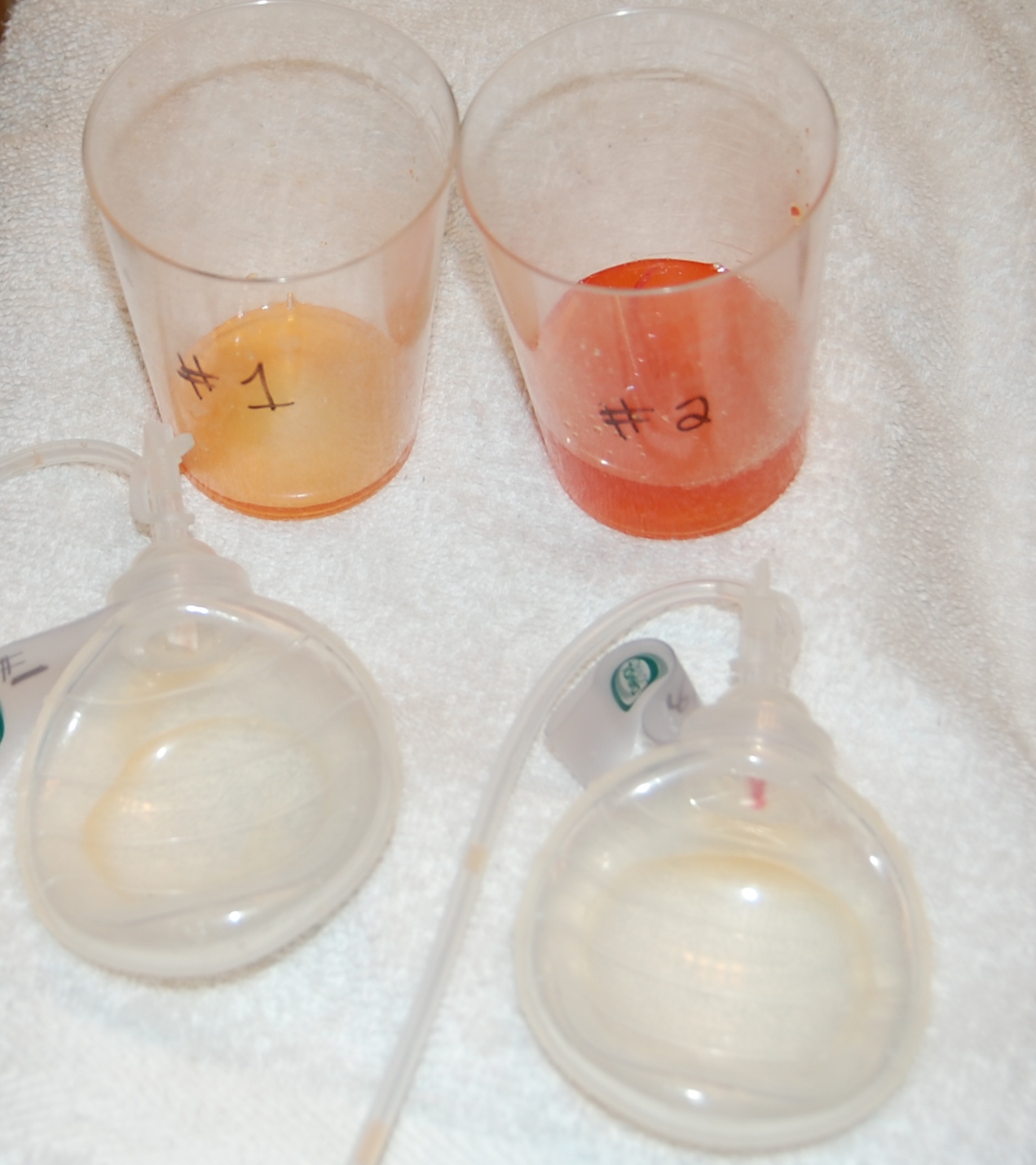
Surgical Drain Color Chart

Serosanguinous Fluid Color

Discharge Colour Chart

Pin on Nursing School
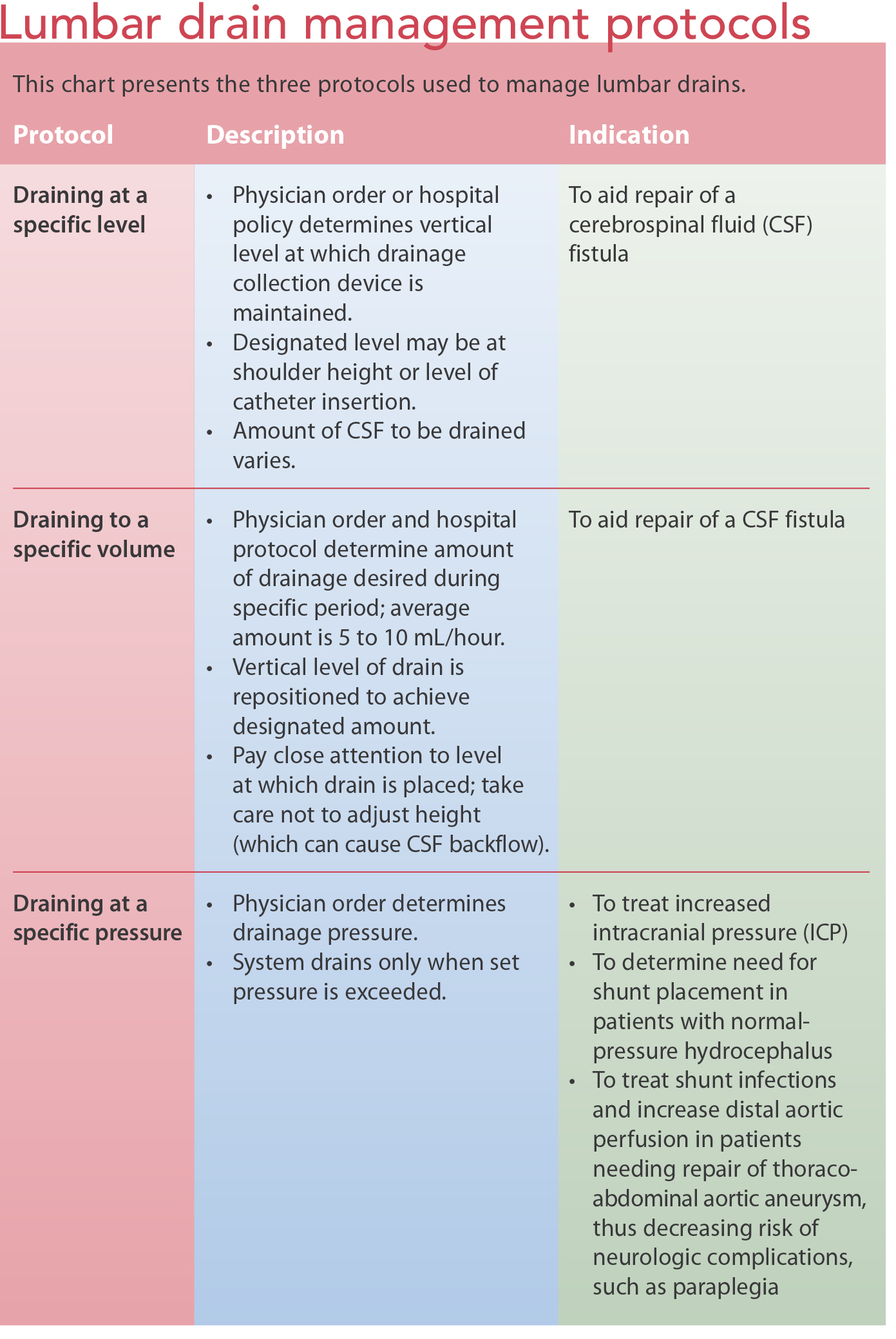
Surgical Drain Fluid Color Chart
Jp Drain Fluid Color Drone Fest

Jp Drain Fluid Color Chart

Jp Drain Output Color Best Drain Photos
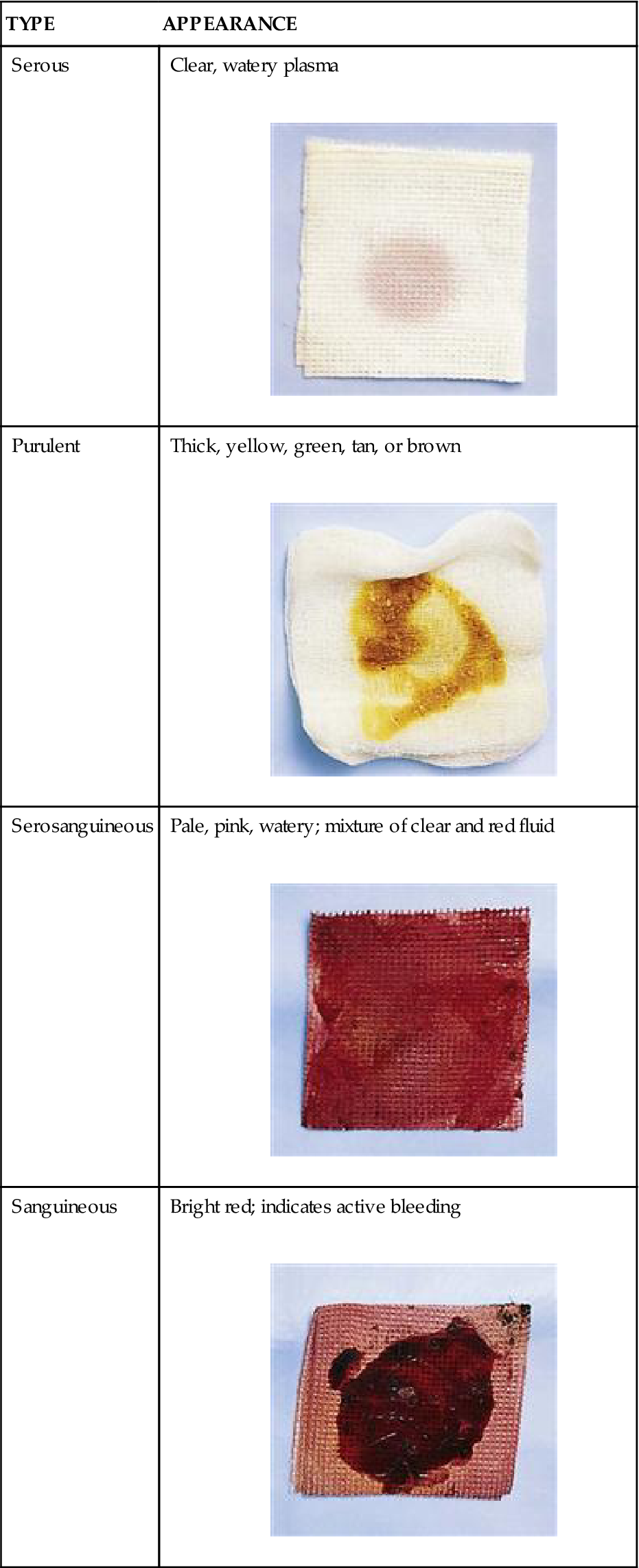
Wound Drainage Fluid Types Best Drain Photos
Surgical Drain Color Chart
Red Or Dark Brown Drainage Signifies Old Or New Bleeding.
Normal Wound Drainage Involves The Serosanguineous Discharge Of Thin, Watery Fluids That May Be Clear Or Contain Tiny Amounts Of Blood.
Web The Amount Of Serosanguineous Fluid Should Decrease Each Day And The Color Of The Fluid Will Turn Light Pink Or Light Yellow.
To Use One, You’ll Need To Regularly.
Related Post: