
Glycolysis Flow Chart
Glycolysis Flow Chart - 2 mols of atp are consumed for each mol of glucose. Glycolysis takes place in both aerobic and anaerobic organisms and is the first step toward the metabolism of glucose. Explain how cells cope with the lack of oxygen and inability of pyruvate (end product of glycolysis) to enter the tca cycle and how the process of anaerobic glycolysis continues. The 3 stages of glycolysis. Web glycolysis is the essential starting point for glucose metabolism and energy generation in the cell. Web glycolysis is the process by which one molecule of glucose is converted into two molecules of pyruvate, two hydrogen ions and two molecules of water. Web energy generation phase. Adp and nad stand for adenosine diphosphate and nicotinamide adenine dinucleotide, respectively. It produces two molecules of pyruvate, atp, nadh and water. 4.5/5 (12k reviews) Or lactate under anaerobic conditions along with the production of atp. The process takes place in the cytoplasm of a cell and does not require oxygen. C6h12o6 + 2adp + 2pi + 2nad+ → 2c3h4o3 + 2h2o + 2atp + 2nadh + 2h+ c6h12o6 is glucose and c3h4o3 is pyruvate. This leads to the synthesis of the ‘high energy’ intermediate molecules of atp and nadh. Glucose enters heterotrophic cells in two ways. It produces two molecules of pyruvate, atp, nadh and water. Where in the cell does glycolysis occur? The 3 stages of glycolysis. Glycolysis takes place in both aerobic and anaerobic organisms and is the first step toward the metabolism of glucose. Adp and nad stand for adenosine diphosphate and nicotinamide adenine dinucleotide, respectively. The stages of cellular respiration include glycolysis, pyruvate oxidation, the citric acid or krebs cycle, and oxidative phosphorylation. You’ll see that by making connections you’ll understand glycolysis much better. What starts glycolysis in cells? What happens to pyruvate after glycolysis? The process takes place in the cytoplasm of a cell and does not require oxygen. Glucose + 2nad+ + 2 pi + 2 adp = 2 pyruvate + 2 atp + 2 nadh + 2 h2o. You’ll see that by making connections you’ll understand glycolysis much better. However, it is assumed as a linear pathway of ten enzyme meditation steps. 2 mols of atp are consumed for each mol of glucose. 4.5/5 (12k reviews) It produces two molecules of pyruvate, atp, nadh and water. What is the net gain of atp from one glucose molecule? Web cellular respiration is a metabolic pathway that breaks down glucose and produces atp. The process takes place in the cytoplasm of a cell and does not require oxygen. Glucose enters heterotrophic cells in two ways. Or lactate under anaerobic conditions along with the production of atp. Web glycolysis flow chart introduction pathway diagram & summary. Web glycolysis takes place in the cytoplasm of both prokaryotic and eukaryotic cells. Web equation of glycolysis. Understand the 3 critical steps of glycolysis that are regulated and explain the significance of these three steps being regulated. Stage 1 is the investment stage. Glycolysis is a process in which glucose divided into two pyruvate molecules. Web glycolysis is the process by which one molecule of glucose is converted into two molecules of pyruvate, two hydrogen ions and two molecules of water. The following equation well summarizes the process of glycolysis: Glucose + 2nad+ + 2 pi +. Understand the 3 critical steps of glycolysis that are regulated and explain the significance of these three steps being regulated. Glucose + 2nad+ + 2 pi + 2 adp = 2 pyruvate + 2 atp + 2 nadh + 2 h2o. Glycolysis takes place in both aerobic and anaerobic organisms and is the first step toward the metabolism of glucose.. Web energy generation phase. It produces two molecules of pyruvate, atp, nadh and water. What is the net gain of atp from one glucose molecule? The 3 stages of glycolysis. Glycolysis takes place in both aerobic and anaerobic organisms and is the first step toward the metabolism of glucose. Explain how cells cope with the lack of oxygen and inability of pyruvate (end product of glycolysis) to enter the tca cycle and how the process of anaerobic glycolysis continues. Web glycolysis takes place in the cytosol of a cell, and it can be broken down into two main phases: The process takes place in the cytoplasm of a cell. One method is through secondary active transport in which the transport takes place against the glucose concentration gradient. The process takes place in the cytoplasm of a cell and does not require oxygen. Web glycolysis is the process by which one molecule of glucose is converted into two molecules of pyruvate, two hydrogen ions and two molecules of water. C6h12o6. The following equation well summarizes the process of glycolysis: Web learn about what is glycolysis, where does it occur, its steps or pathway, and purpose, along with diagram. Glycolysis is a process in which glucose divided into two pyruvate molecules. The stages of cellular respiration include glycolysis, pyruvate oxidation, the citric acid or krebs cycle, and oxidative phosphorylation. However, it. This leads to the synthesis of the ‘high energy’ intermediate molecules of atp and nadh. The stages of cellular respiration include glycolysis, pyruvate oxidation, the citric acid or krebs cycle, and oxidative phosphorylation. What happens to pyruvate after glycolysis? Role of glycolysis in producing atps and nadhs and converting glucose to pyruvates. Web glycolysis flow chart introduction pathway diagram & summary. Glucose enters heterotrophic cells in two ways. Web glycolysis is the metabolic pathway that converts glucose (c 6 h 12 o 6) into pyruvate and, in most organisms, occurs in the liquid part of cells (the cytosol). The process takes place in the cytoplasm of a cell and does not require oxygen. Explain how cells cope with the lack of oxygen and inability of pyruvate (end product of glycolysis) to enter the tca cycle and how the process of anaerobic glycolysis continues. 4.5/5 (12k reviews) Understand the 3 critical steps of glycolysis that are regulated and explain the significance of these three steps being regulated. Adp and nad stand for adenosine diphosphate and nicotinamide adenine dinucleotide, respectively. Web energy generation phase. You’ll see that by making connections you’ll understand glycolysis much better. Web cellular respiration is a metabolic pathway that breaks down glucose and produces atp. Web glycolysis is the metabolic process that serves as the foundation for both aerobic and anaerobic cellular respiration.
Glycolysis (Cellular Respiration) — Summary & Steps Expii
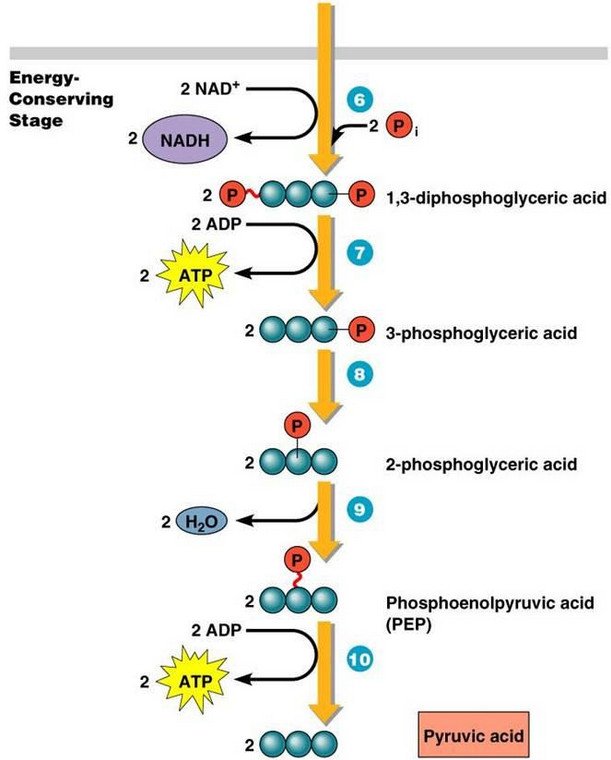
Glycolysis Flow Chart A Visual Reference of Charts Chart Master
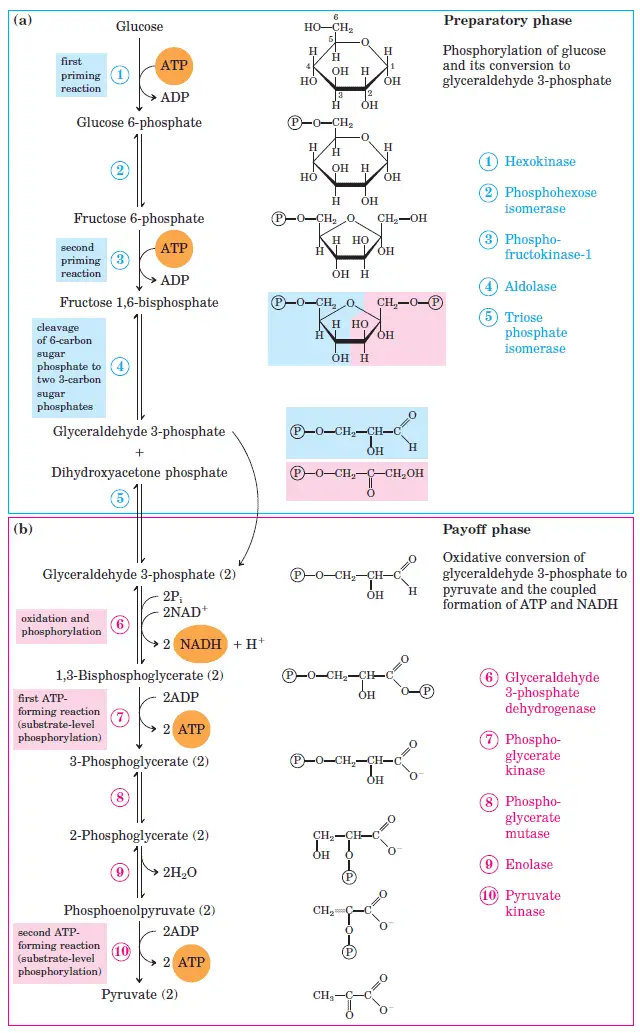
Glycolysis All Steps with Diagram, Enzymes, Products, Energy Yield
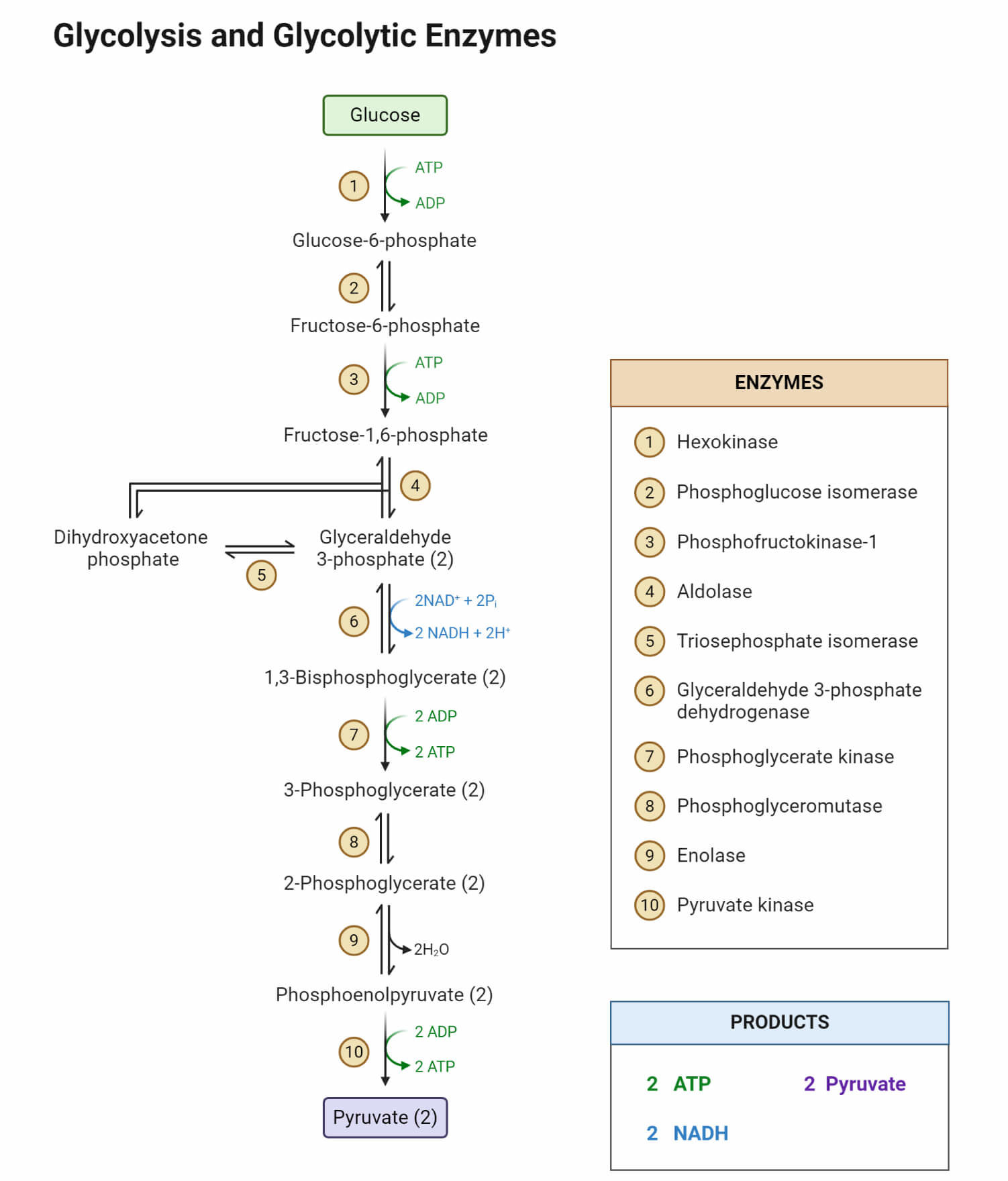
Glycolysis 10 Steps with Diagram and ATP Formation

Glycolysis Poster with Steps and Enzymes
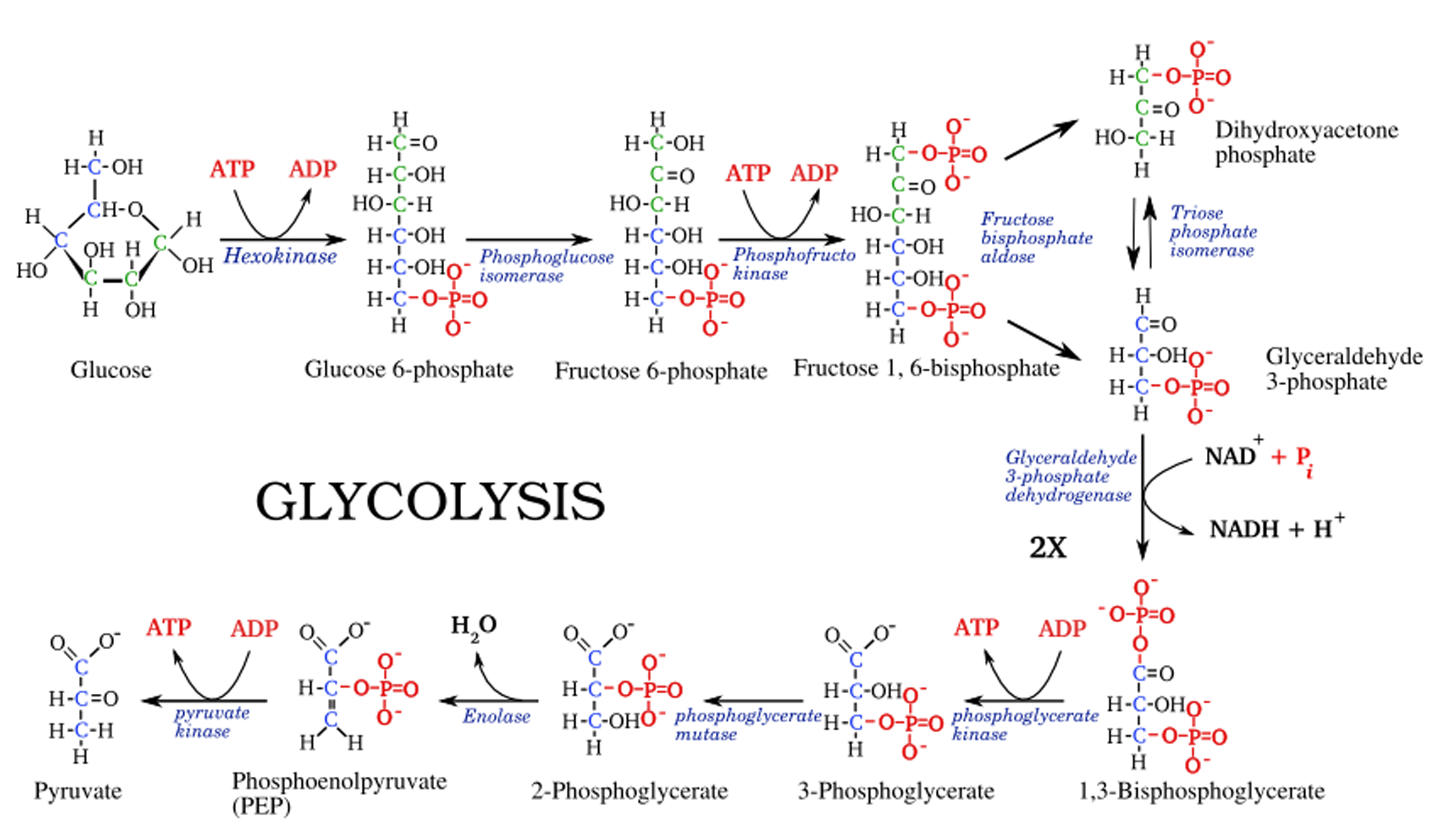
Glycolysis steps, diagram and enzymes involved Online Biology Notes

Glycolysis (Cellular Respiration) — Summary & Steps Expii

Glycolysis Flow Chart
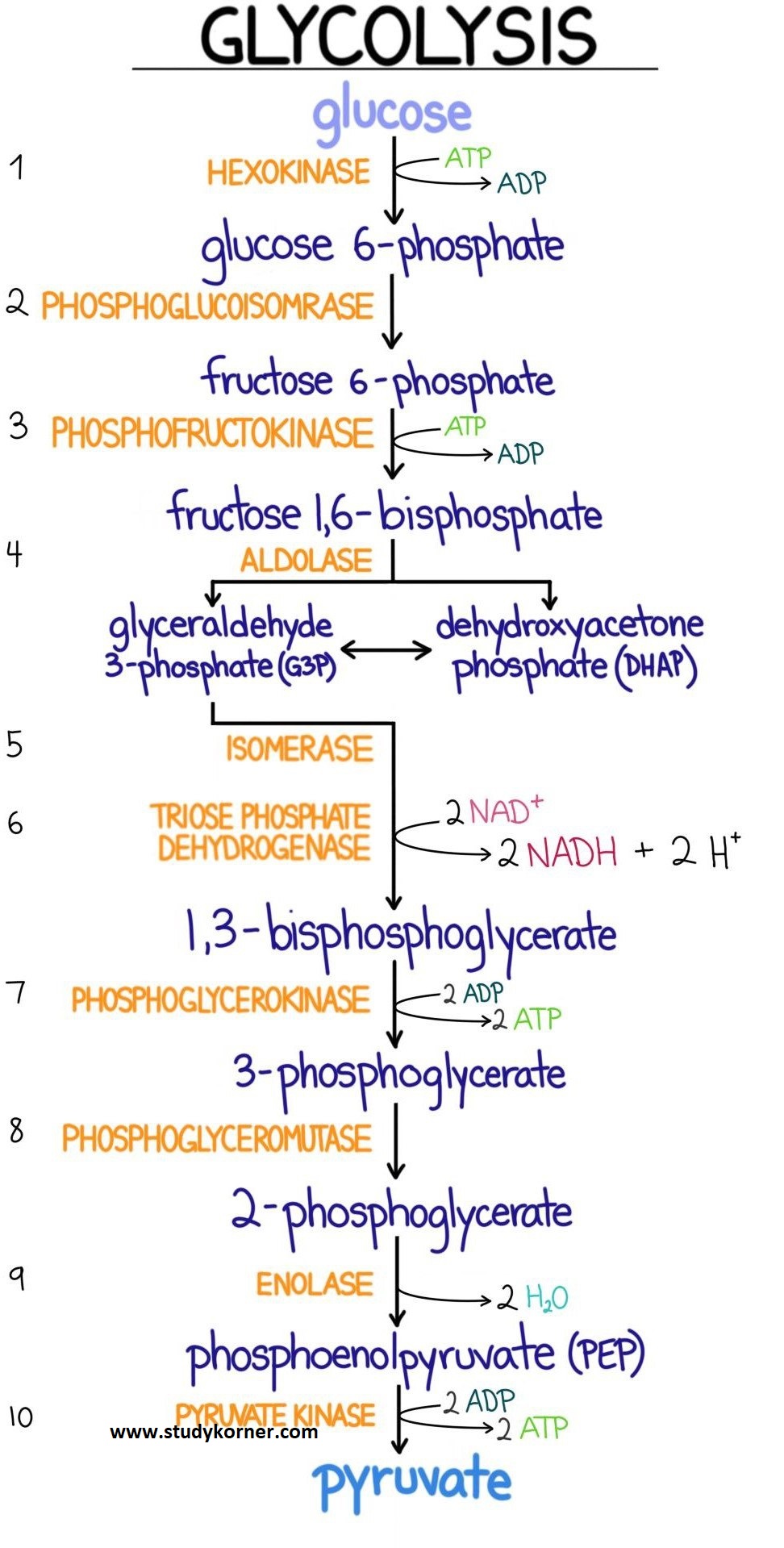
Glycolysis Flow Chart Introduction Pathway Diagram & Summary StudyPK

Glycolysis Flow Chart
Where In The Cell Does Glycolysis Occur?
What Starts Glycolysis In Cells?
Web Glycolysis Is The Process By Which One Molecule Of Glucose Is Converted Into Two Molecules Of Pyruvate, Two Hydrogen Ions And Two Molecules Of Water.
One Method Is Through Secondary Active Transport In Which The Transport Takes Place Against The Glucose Concentration Gradient.
Related Post: