
Insulin Needle Gauge Size Chart
Insulin Needle Gauge Size Chart - Depending on your dose and comfort level, choose the correct syringe and. 3/16 inch (5 mm) 28: Insulin pen needles are commonly available in lengths ranging from 4mm to 12.7mm. 3/16 inch (5 mm) 28: Common insulin syringes size chart. The size of needles is measured using two factors: Web the color of a needle is a coding system used to easily identify the gauge, or thickness, of the needle. Insulin pen needles range from 4 mm to 12 mm in length and 29 to 32 gauge in diameter. Web when a needles measurement is 31g, the g (or g) refers to the gauge of the needle. Thinner needles have a higher gauze size. Needles for insulin pens come in various lengths ranging from 4 mm to 12.7 mm (5/32 inch to 0.5 inches). The lower the number of millimeters, the shorter the needle, while the higher the gauge, the thinner the needle. ½ inch (12.7 mm) 31: Web the following size chart outlines standard insulin syringes and gauge and barrel size: The needle gauge size indicates the thickness of the needle. The size of needles is measured using two factors: Web if your dose is 30 units or less, use the 3/10ml syringe. The needle required is small and short (typically 1/2 to 5/8 of an inch long) with a gauge of 25 to 30. Web insulin syringes size chart. Web sizes of insulin syringe (milliliter or ml) sizes of insulin syringe (cubic centimeter or cc) suitability is based on the barrel capacity/units of insulin that can be contained: On average, human skin is 1.6 mm to 2.1 mm thick, so a 4 mm needle will easily go through the skin layer. Insulin pen needles are available in different sizes from 4 mm to 12.7 mm in length (5/32 inch to ½ inch). Since muscle is deeper than the skin, the needle used for these shots has to be. Web these shots are fairly shallow. 3/16 inch (5 mm) 28: Web finding the right needle gauge. The appropriate needle size for an individualdepends on several factors, including the thickness of the subcutaneous tissue at the injection site, the type of insulin, and individual preferences. Pen needles come in 29 g to 32 g, and the higher the gauge, the. Needle thickness is measured in gauge (g) rather than millimeters or inches. As discussed above, the dose will determine what size of the syringe will be suitable for you. The needle required is small and short (typically 1/2 to 5/8 of an inch long) with a gauge of 25 to 30. 3/16 inch (5 mm) 28: Needles with a gauge. 1/2 inch (12.7 mm) 31: This donates the thickness, size, or capacity. Insulin syringe needles commonly range from 28 to 31 gauge, while pen needles are typically measured at either 31 or 32 gauge. ½ inch (12.7 mm) 31: Web the color of a needle is a coding system used to easily identify the gauge, or thickness, of the needle. 5/16 inch (8 mm) 29,30: ½ inch (12.7 mm) 31: Web the following size chart outlines standard insulin syringes and gauge and barrel size: 3/16 inch (5 mm) 28: The needle required is small and short (typically 1/2 to 5/8 of an inch long) with a gauge of 25 to 30. Ultimately, the size of your insulin pen. Pen needles come in 29 g to 32 g, and the higher the gauge, the thinner the needle. On average, human skin is 1.6 mm to 2.1 mm thick, so a 4 mm needle will easily go through the skin layer. Web if your dose is 30 units or less, use the 3/10ml. 3/16 inch (5 mm) 28: 5/16 inch (8 mm) 29,30: Web if your dose is 30 units or less, use the 3/10ml syringe. Intramuscular injections go directly into a muscle. The gauge and needle length will contribute to perceptions of pain when injecting. 5/16 inch (8 mm) 29,30: Web generally, standard insulin needles are 1/2 inch, 5/16 inch, and 3/16 inch long, out of which, the 1/2 inch needles are most common. Web needle length refers to the measurement of the needle from the tip to the base. Web insulin pen needles are available in different sizes, typically 4 mm to 8 mm. ½ inch (12.7 mm) 31: If your dose is 51 to 100 units, use the 1 ml syringe. The gauge and needle length will contribute to perceptions of pain when injecting. Doctors generally recommend using needles with a length of 4 millimeters to 6 millimeters. 3/16 inch (5 mm) 28: If your dose is 51 to 100 units, use the 1 ml syringe. The needle lengths, needle gauges, and barrel sizes of commonly used insulin syringes. Doctors generally recommend using needles with a length of 4 millimeters to 6 millimeters. The needle gauge size indicates the thickness of the needle. It is advisable to use the smallest possible insulin syringe. 5/16 inch (8 mm) 29,30: Insulin pen needles range from 4 mm to 12 mm in length and 29 to 32 gauge in diameter. Pen needles come in 29 g to 32 g, and the higher the gauge, the thinner the needle. Since muscle is deeper than the skin, the needle used for these shots has to be thicker and longer. Web pen needle sizes. Web sizes of insulin syringe (milliliter or ml) sizes of insulin syringe (cubic centimeter or cc) suitability is based on the barrel capacity/units of insulin that can be contained: The needle gauge size indicates the thickness of the needle. The higher the gauge, the slimmer the needle. As discussed above, the dose will determine what size of the syringe will be suitable for you. Here are some common colors and their corresponding gauges: The measured thickness of a needle is called its needle gauge. If your dose is 31 to 50 units, use the 1/2 ml syringe. The appropriate needle size for an individualdepends on several factors, including the thickness of the subcutaneous tissue at the injection site, the type of insulin, and individual preferences. 5/16 inch (8 mm) 29, 30: 5/16 inches (8 mm) 29, 30: On average, human skin is 1.6 mm to 2.1 mm thick, so a 4 mm needle will easily go through the skin layer.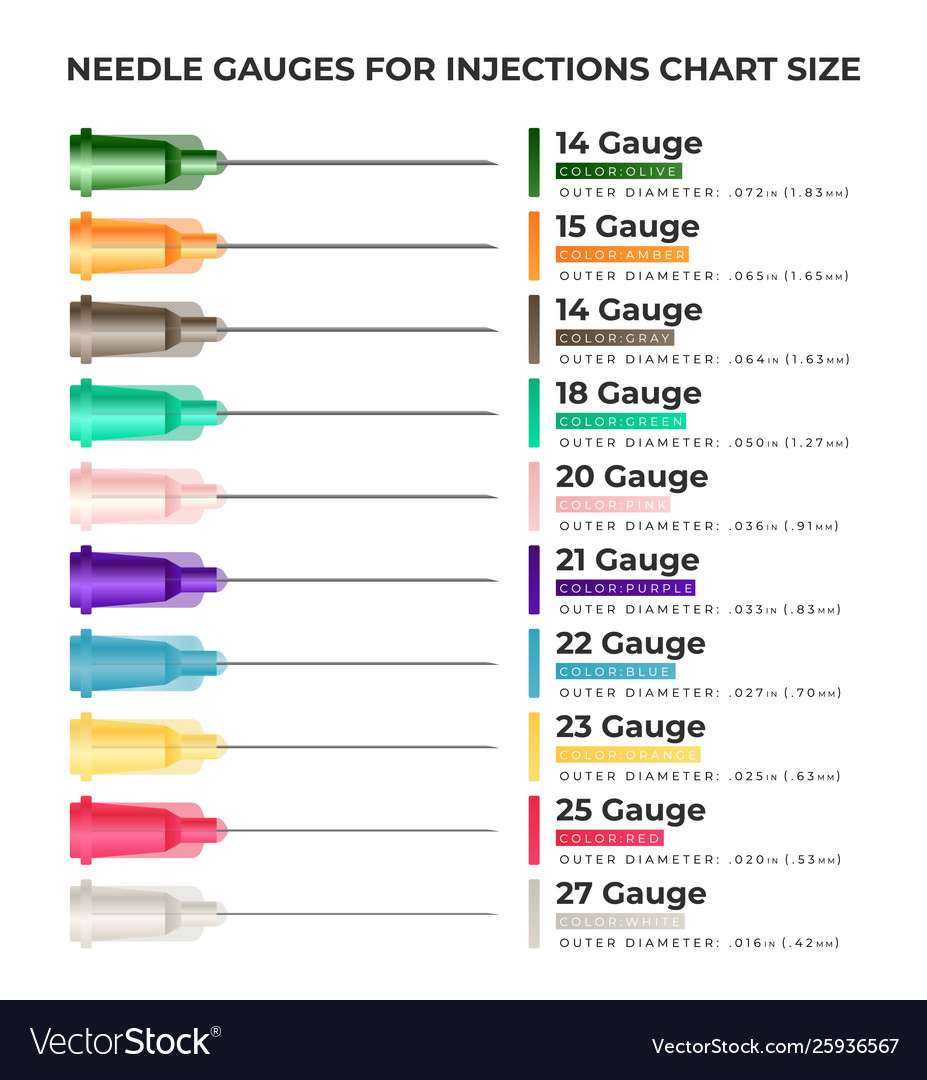
Needle gauges for injections chart size Royalty Free Vector

Insulin Pen Needle Gauge Size Chart

Insulin Needle Size Chart
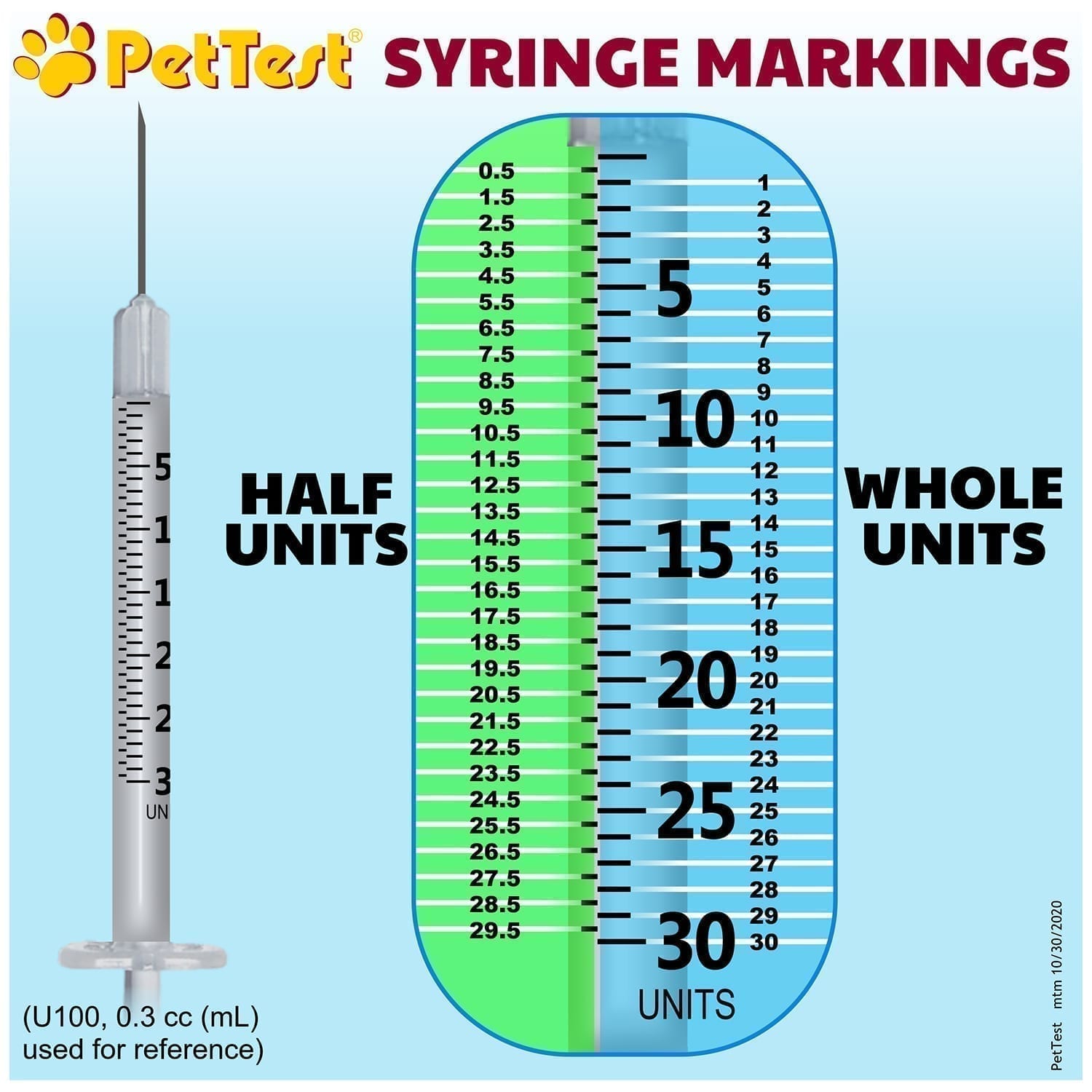
Insulin Syringe Conversion Chart
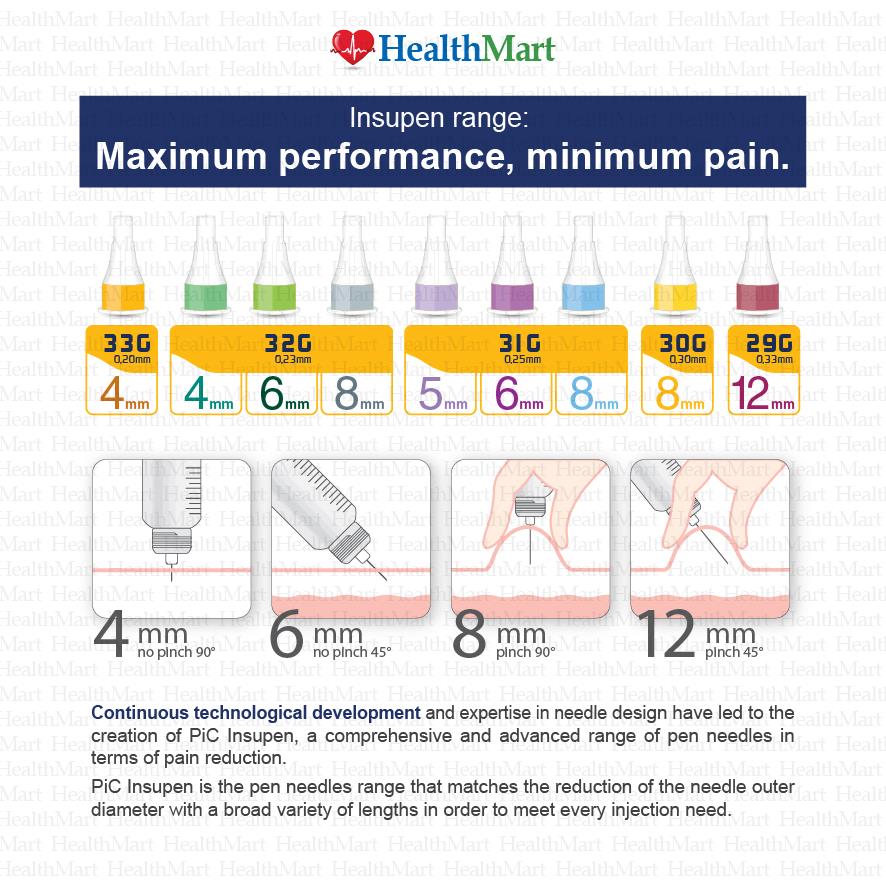
Insulin Pen Needle Gauge Size Chart

Insulin Needle Gauge Size Chart

Insulin Needle Size Chart

Insulin Needle Gauge Size Chart

Insulin Needle Gauge Size Chart

Needle And Tube Chart Minga
Thinner Needles Have A Higher Gauze Size.
Depending On Your Dose And Comfort Level, Choose The Correct Syringe And Needle Sizes.
There Is No Reason To Use A Needle Longer.
Intramuscular Injections Go Directly Into A Muscle.
Related Post: