
Knife Sharpness Chart
Knife Sharpness Chart - The sharper the knife, the less weight you need. The chart uses three units of measurement: Here’s a chart with sharpening angles from a number of various manufacturers. Below is our list of the five best (and worst) tests for sharp knives. Different test media will lead to different values, of course. It’s best to check with the manufacturer. Because all tests are carried out with the same test medium you can easily compare the results. Knife enthusiasts and makers often consider five key properties when evaluating steel options. Web this guide will provide an essential overview of knife sharpening angles, equipping newcomers with the knowledge to choose the appropriate angle for their specific knife type, thereby enhancing their cutting experience and extending the life of their tools. Web the rest standards for measuring knife sharpness; A lower score is therefore sharper than a higher score. Web the lower number on the scale, the sharper is the edge, e.g. Web the rest standards for measuring knife sharpness; As a rule of thumb, the more acute the angle, the less durable the edge becomes. Web while specialty knife makers have come up with varying degrees of blade angles intended for different functions, most kitchen knives are sharpened at facets of either 15º or 20º, for a total angle of 30º and 40º, respectively. Web knife sharpness refers to the ability of the blade to cut smoothly and efficiently through material—be it food, fabric, or otherwise—with minimal force. The correct or best angle is determined by the knife's design, type of use, and steel. The sharper the knife, the less weight you need. Web top 5 tests for sharp knives. For most kitchen knives, however, the commonly accepted sharpening angle is from 15 to 20 degrees. Choosing the right knife steel is crucial for crafting a blade that meets specific requirements. He has a background in sensor and test development in various industries. A lower score is therefore sharper than a higher score. Different knives have different sharpening angles. Knife enthusiasts and makers often consider five key properties when evaluating steel options. 1 micron (µ) = 0.001 millimetre (mm), or 1000 nanometres Thin grinds provide high sharpness, but a thin edge is more prone to damage. The sharper the knife, the less weight you need. Web knife sharpness refers to the ability of the blade to cut smoothly and efficiently through material—be it food, fabric, or otherwise—with minimal force. Before you get. Knife enthusiasts and makers often consider five key properties when evaluating steel options. Web knife sharpening angle chart (data from manufacturers) wondering what angle to sharpen your knife? The correct or best angle is determined by the knife's design, type of use, and steel. Web the lower number on the scale, the sharper is the edge, e.g. Web top 5. Web finding the ideal cutting edge angle for any knife means compromising between strength and sharpness. Web the angle between the sharpening stone and the blade is the sharpening angle. As a rule of thumb, the more acute the angle, the less durable the edge becomes. Wide grinds provide strong edges, but high sharpness is sacrificed. Here’s a chart with. Web what determines the best angle for a knife? Web knife sharpening angle chart (data from manufacturers) wondering what angle to sharpen your knife? But how do you know if your knife is sharp or dull, and when is it time to get them sharpened? Before you get started, consider what you want your knife to do. Because all tests. It’s best to check with the manufacturer. The correlation was established by comparing sharpness scores the edge gives on the instrument with sem measurements. Web the best angle to sharpen a knife is largely determined by the purpose of the knife, blade thickness, steel, as well as the knife users’ preference. Different knives have different sharpening angles. Web sharpness is. Before you get started, consider what you want your knife to do. Different knives have different sharpening angles. Wide grinds provide strong edges, but high sharpness is sacrificed. But how do you know if your knife is sharp or dull, and when is it time to get them sharpened? Because all tests are carried out with the same test medium. Web knife sharpness refers to the ability of the blade to cut smoothly and efficiently through material—be it food, fabric, or otherwise—with minimal force. The chart uses three units of measurement: Web what determines the best angle for a knife? Sharpness chart by knife grinders; Before you get started, consider what you want your knife to do. Web knife sharpness refers to the ability of the blade to cut smoothly and efficiently through material—be it food, fabric, or otherwise—with minimal force. Web while specialty knife makers have come up with varying degrees of blade angles intended for different functions, most kitchen knives are sharpened at facets of either 15º or 20º, for a total angle of 30º. Web while specialty knife makers have come up with varying degrees of blade angles intended for different functions, most kitchen knives are sharpened at facets of either 15º or 20º, for a total angle of 30º and 40º, respectively. Web the bess value is the maximum weight you need to push your knife through a certified test medium. Web this. Sharper edges require steeper angles, but these blades are more delicate and prone to chipping. Knife enthusiasts and makers often consider five key properties when evaluating steel options. The sharpness of a knife is determined by the geometry and finishing of its edge. The correlation was established by comparing sharpness scores the edge gives on the instrument with sem measurements. Web the bess value is the maximum weight you need to push your knife through a certified test medium. For most kitchen knives, however, the commonly accepted sharpening angle is from 15 to 20 degrees. Sharpness chart by knife grinders; It’s best to check with the manufacturer. Web finding the ideal cutting edge angle for any knife means compromising between strength and sharpness. Thin grinds provide high sharpness, but a thin edge is more prone to damage. Below is our list of the five best (and worst) tests for sharp knives. Web while specialty knife makers have come up with varying degrees of blade angles intended for different functions, most kitchen knives are sharpened at facets of either 15º or 20º, for a total angle of 30º and 40º, respectively. Web the best angle to sharpen a knife depends on how you intend to use the knife, the thickness of the blade, the steel used to make the blade, the sharpening tools used, and your preference. Web sharpness is determined by the edge radius at its apex. The chart uses three units of measurement: The sharper the knife, the less weight you need.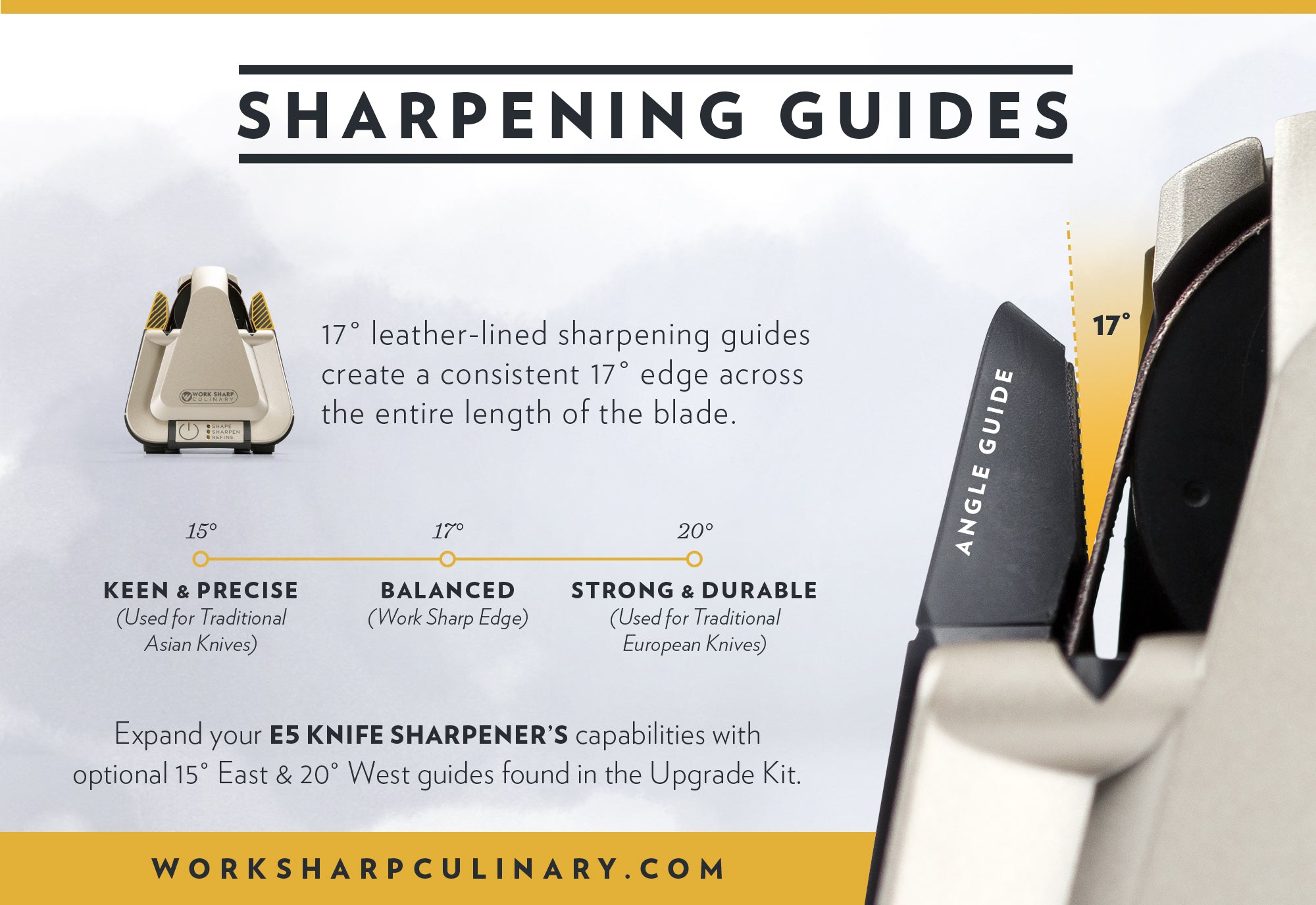
Understanding Kitchen Knife Angles Work Sharp Sharpeners

Knife Blade Sharpness Chart
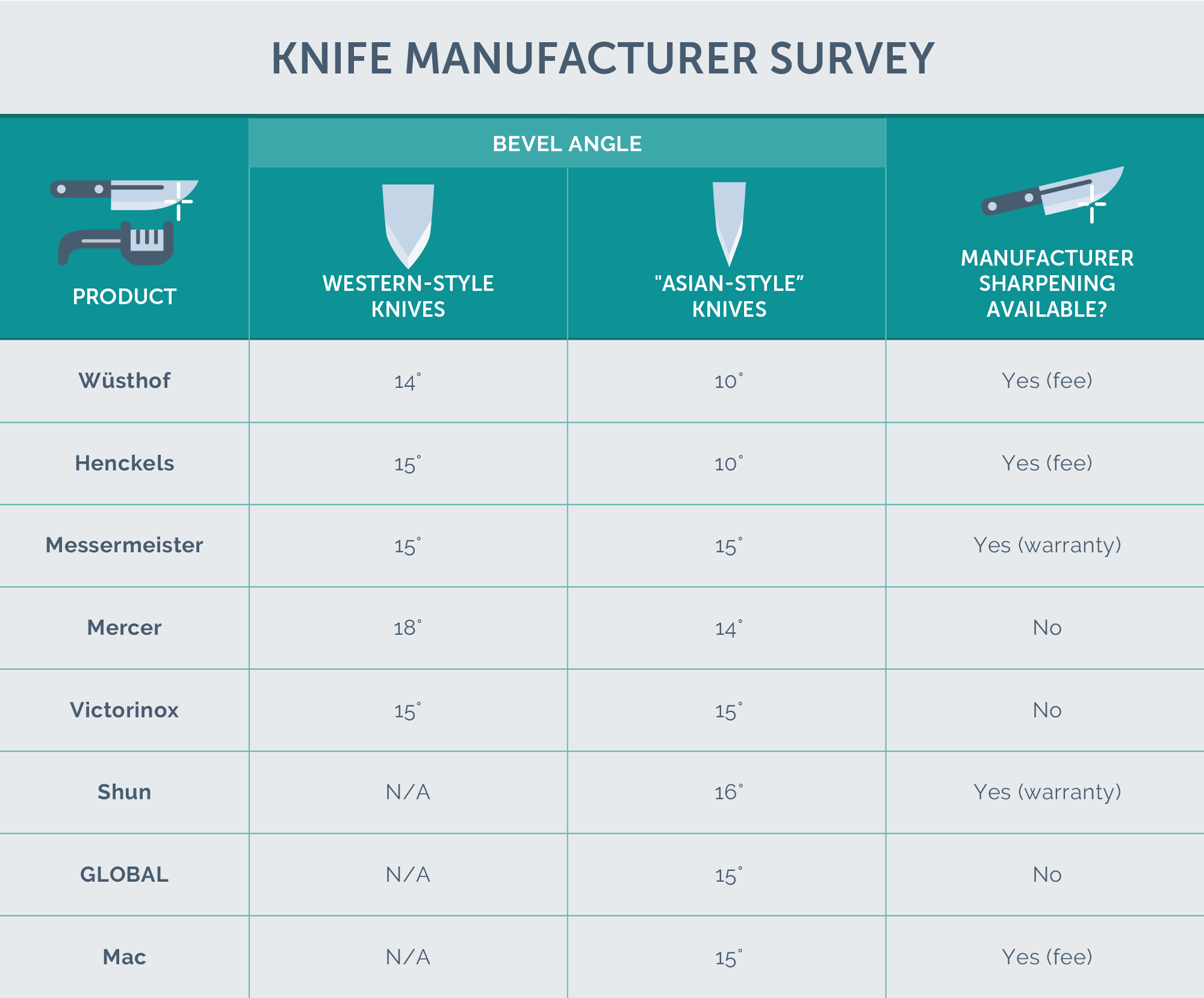
The Best Knife Sharpener of 2020 Your Best Digs

Types of Knife Sharpeners and How To Use Them
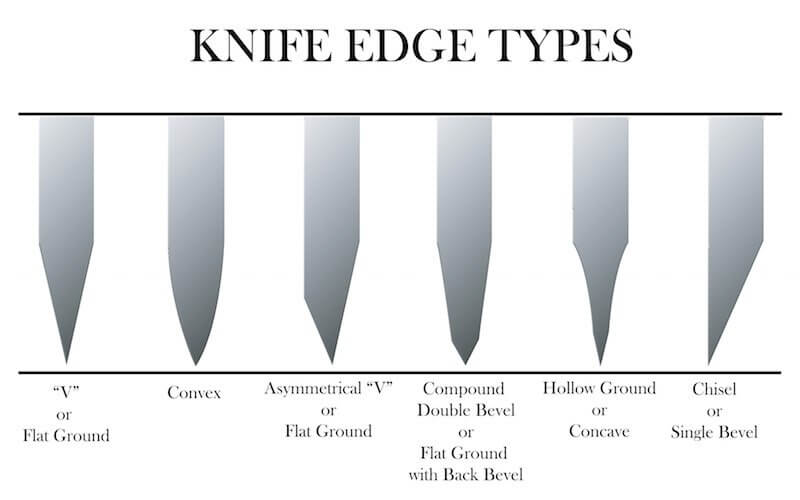
The Definitive Guide to Knife Edges The Kitchen Professor
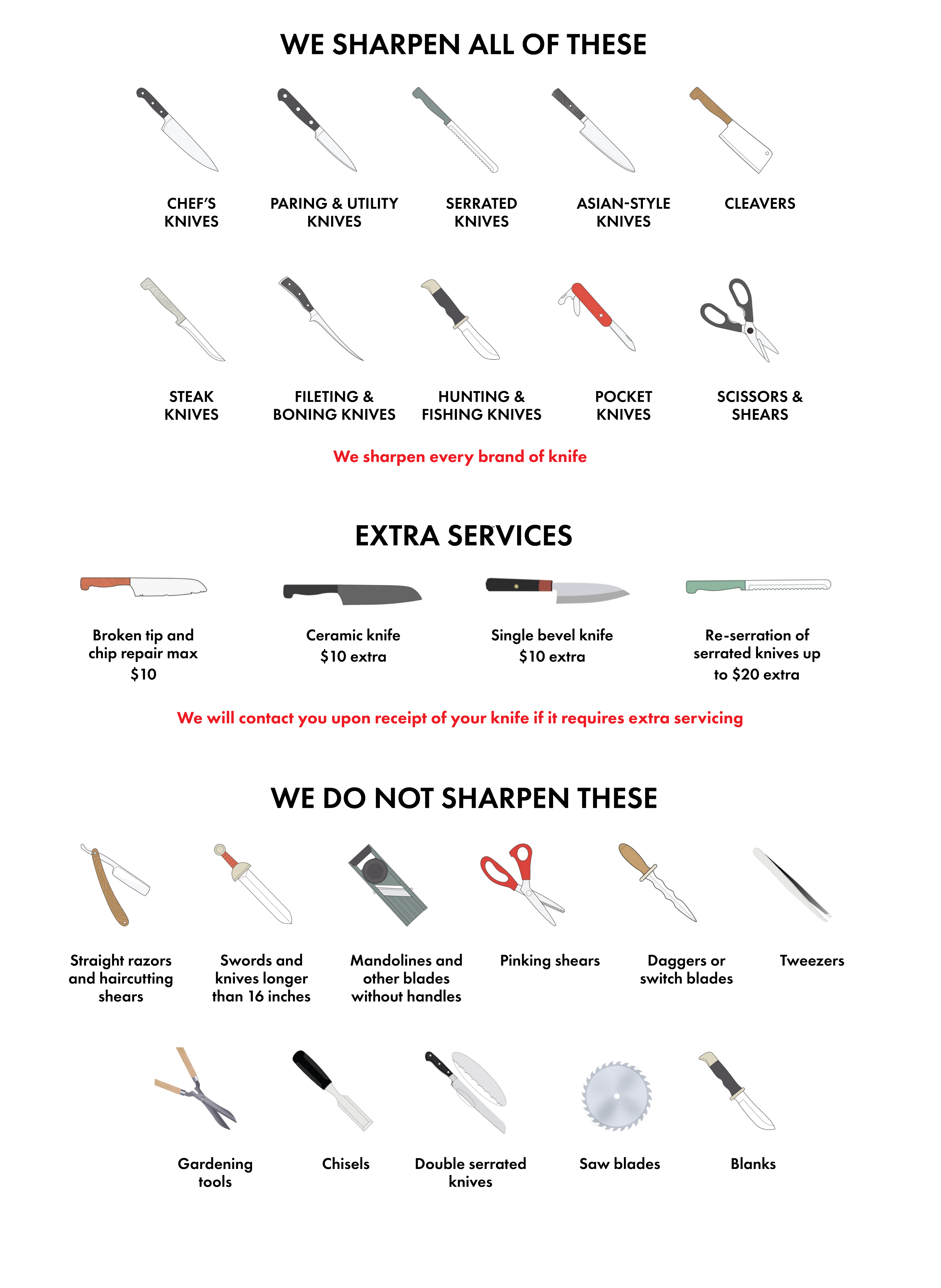
Buy ZWILLING Sharpening Service Sharpening service
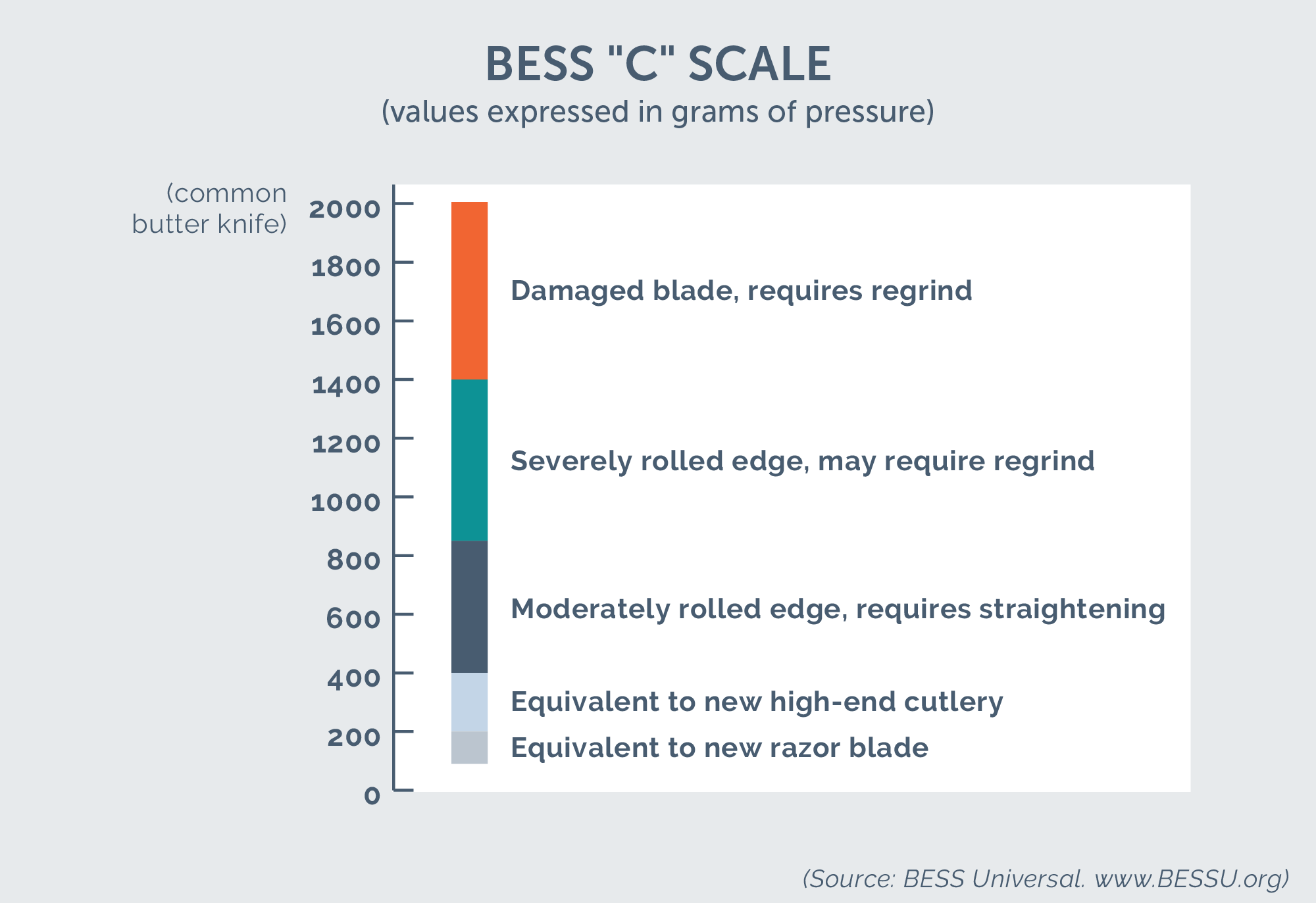
The Best Knife Sharpener of 2020 Your Best Digs

Results Chart For EdgeOnUp Sharpness Testing, 55 OFF
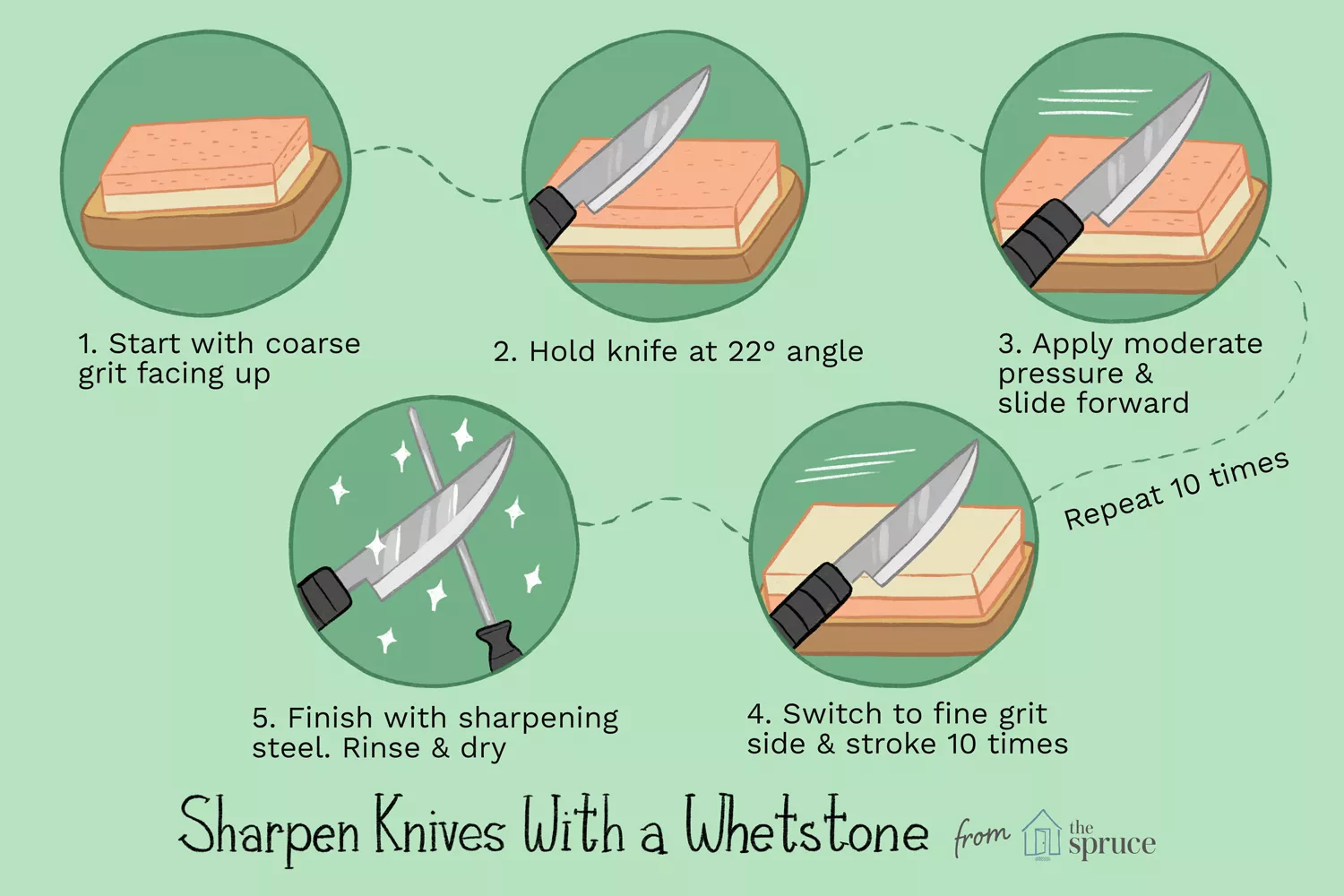
A Complete Guide to Sharpening Your Knives with a Whetstone Night Helper

Know Your Knives Chart with Chef Greg Reilly On The Road Eats
Web What Determines The Best Angle For A Knife?
Here’s A Chart With Sharpening Angles From A Number Of Various Manufacturers.
Web The Standard Used To Determine The Sharpness Of Knives Is Called The Bess:
He Has A Background In Sensor And Test Development In Various Industries.
Related Post: