Medication Conversion Chart
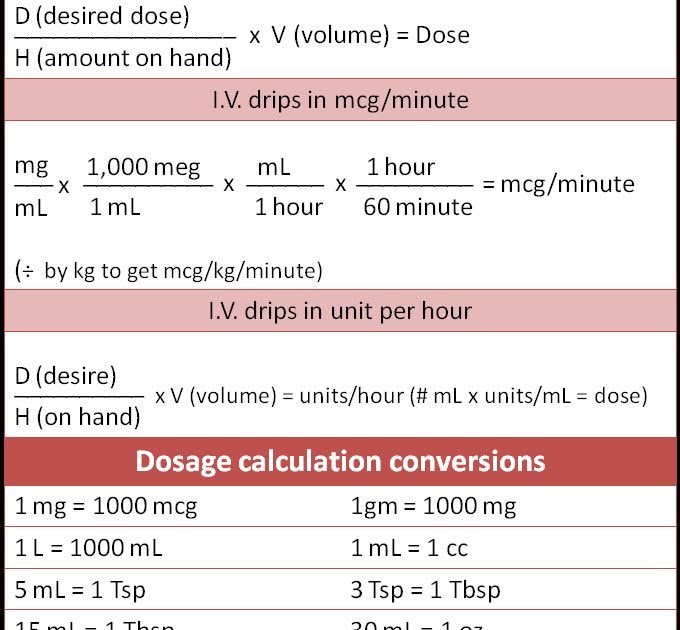
Medication Conversion Chart - Unit conversions explained in this section. Web a nursing dosage conversion chart is essential for healthcare professionals, especially nurses. Converting lb to kg and kg to lb. A failure to accurately convert units can lead to medical errors with potentially serious or even fatal consequences. Web how many kilograms in one stone? You can find a handy conversion chart in our nursing pocket card: Web in this blog series we will review several drug calculation methods. The first technique is the universal formula or the “desired over have” method. Web this section features links to a wide range of clinical resources on equivalent doses and conversions for opioids, benzodiazepines, antidepressants, antipsychotics, corticosteroids and more. This article lists some of the more common conversions and abbreviations. Web 1 milliliter = 1 cubic centimeter (cc) 1 meter = 100 centimeters (cm) 1 meter = 1000 millimeters (mm) conversion equivalents. As a healthcare professional, you have to convert patient weights, fluid volumes, medication weights, and more. It is essential so you will not get lost between drug calculations as physicians commonly order a medication available in a different preparation. Web learn dosage calculations with this free tutorial complete with explanations, examples, and practice questions. Web a nursing dosage conversion chart is essential for healthcare professionals, especially nurses. Before mastering drug dosage formula, you should first learn how to convert the commonly used units of measurements in drug preparation. 1 milliliter = 15 minims (m) = 15 drops (gtt) 5 milliliters = 1 fluidram = 1 teaspoon (tsp) 15 milliliters = 4 fluidrams = 1 tablespoon (t) 30 milliliters = 1 ounce (oz) = 2 tablespoons. Web in this blog series we will review several drug calculation methods. Converting lb to kg and kg to lb. A failure to accurately convert units can lead to medical errors with potentially serious or even fatal consequences. Conversion math isn’t hard to do as long as you know the basic conversion factors. Furthermore, you can also find equivalent dose charts for some of the popular classes of medicines here. This article lists some of the more common conversions and abbreviations. It is essential so you will not get lost between drug calculations as physicians commonly order a. Here are the most useful ones: Web common conversion factors in medical dosage calculations. Web learn dosage calculations with this free tutorial complete with explanations, examples, and practice questions. You can find a handy conversion chart in our nursing pocket card: Web this section features links to a wide range of clinical resources on equivalent doses and conversions for opioids,. Web learn dosage calculations with this free tutorial complete with explanations, examples, and practice questions. This article lists some of the more common conversions and abbreviations. Here are the most useful ones: Web dosage calculation conversions play an important role in the process of administering medications to patients, ensuring accurate and safe drug administration. Before mastering drug dosage formula, you. It is essential so you will not get lost between drug calculations as physicians commonly order a medication available in a different preparation. Web learn dosage calculations with this free tutorial complete with explanations, examples, and practice questions. You can find a handy conversion chart in our nursing pocket card: 1 milliliter = 15 minims (m) = 15 drops (gtt). Conversion math isn’t hard to do as long as you know the basic conversion factors. Web 1 milliliter = 1 cubic centimeter (cc) 1 meter = 100 centimeters (cm) 1 meter = 1000 millimeters (mm) conversion equivalents. Here are the most useful ones: It is essential so you will not get lost between drug calculations as physicians commonly order a. Web a nursing dosage conversion chart is essential for healthcare professionals, especially nurses. Before mastering drug dosage formula, you should first learn how to convert the commonly used units of measurements in drug preparation. A failure to accurately convert units can lead to medical errors with potentially serious or even fatal consequences. Web learn dosage calculations with this free tutorial. Converting lb to kg and kg to lb. Web learn dosage calculations with this free tutorial complete with explanations, examples, and practice questions. Web common conversion factors in medical dosage calculations. As a healthcare professional, you have to convert patient weights, fluid volumes, medication weights, and more. This article lists some of the more common conversions and abbreviations. Furthermore, you can also find equivalent dose charts for some of the popular classes of medicines here. Conversion math isn’t hard to do as long as you know the basic conversion factors. Before mastering drug dosage formula, you should first learn how to convert the commonly used units of measurements in drug preparation. The first technique is the universal formula. How do you convert celsius to fahrenheit? Unit conversions explained in this section. You can find a handy conversion chart in our nursing pocket card: Converting lb to kg and kg to lb. As a healthcare professional, you have to convert patient weights, fluid volumes, medication weights, and more. Before we begin, every nurse should be comfortable with basic metric conversions. How do you convert celsius to fahrenheit? Before mastering drug dosage formula, you should first learn how to convert the commonly used units of measurements in drug preparation. As a healthcare professional, you have to convert patient weights, fluid volumes, medication weights, and more. The first technique is. It is essential so you will not get lost between drug calculations as physicians commonly order a medication available in a different preparation. Conversion math isn’t hard to do as long as you know the basic conversion factors. Web in this blog series we will review several drug calculation methods. Before we begin, every nurse should be comfortable with basic metric conversions. Unit conversions explained in this section. Web a nursing dosage conversion chart is essential for healthcare professionals, especially nurses. Web 1 milliliter = 1 cubic centimeter (cc) 1 meter = 100 centimeters (cm) 1 meter = 1000 millimeters (mm) conversion equivalents. Converting lb to kg and kg to lb. A failure to accurately convert units can lead to medical errors with potentially serious or even fatal consequences. Web dosage calculation conversions play an important role in the process of administering medications to patients, ensuring accurate and safe drug administration. It helps in converting and calculating accurate medication dosages in various units, such as milligrams (mg), micrograms (mcg), and milliliters (ml). As a healthcare professional, you have to convert patient weights, fluid volumes, medication weights, and more. Web common conversion factors in medical dosage calculations. Before mastering drug dosage formula, you should first learn how to convert the commonly used units of measurements in drug preparation. The first technique is the universal formula or the “desired over have” method. Web this section features links to a wide range of clinical resources on equivalent doses and conversions for opioids, benzodiazepines, antidepressants, antipsychotics, corticosteroids and more.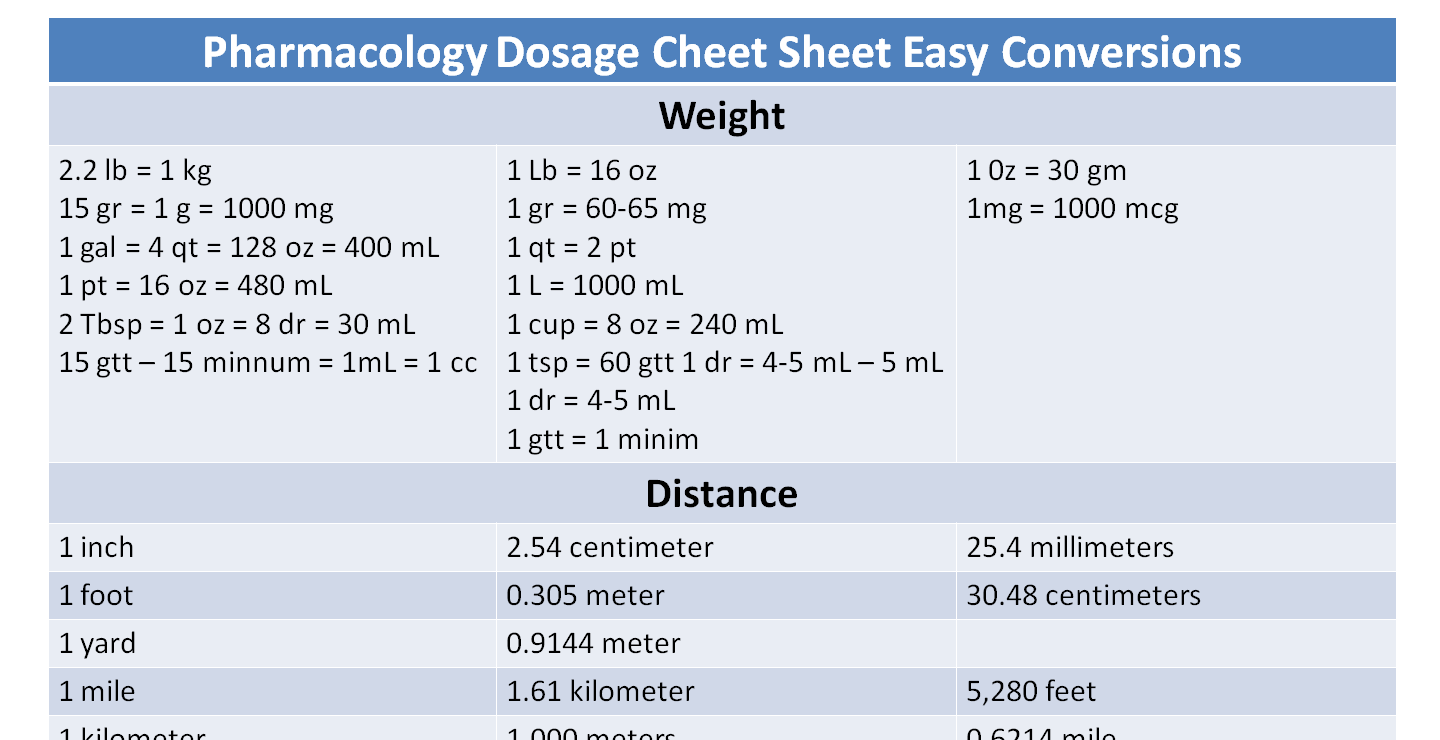
Pharmacology Dosage Sheet Easy Conversions NCLEX Quiz
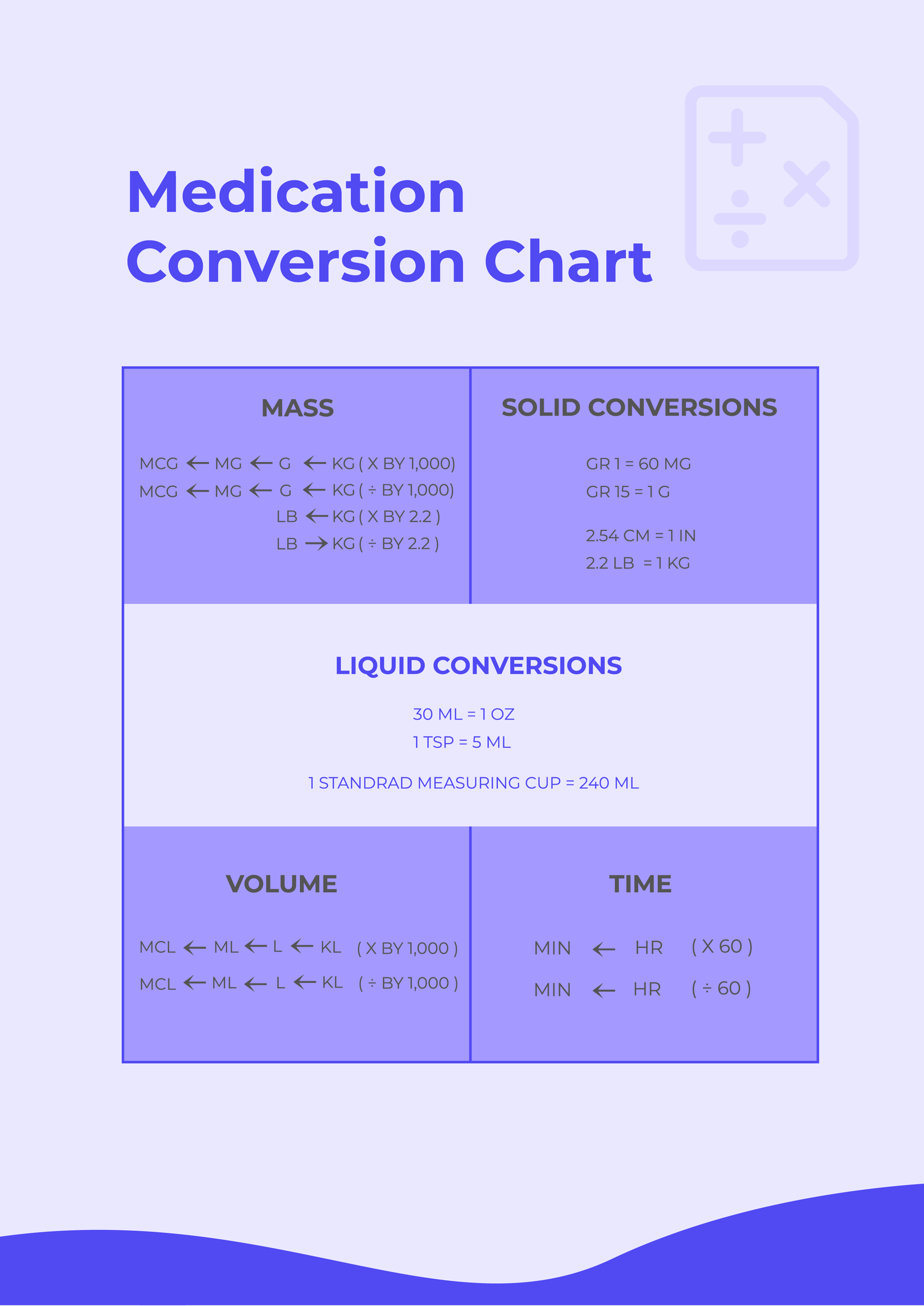
Medication Conversion Chart in Illustrator, PDF Download
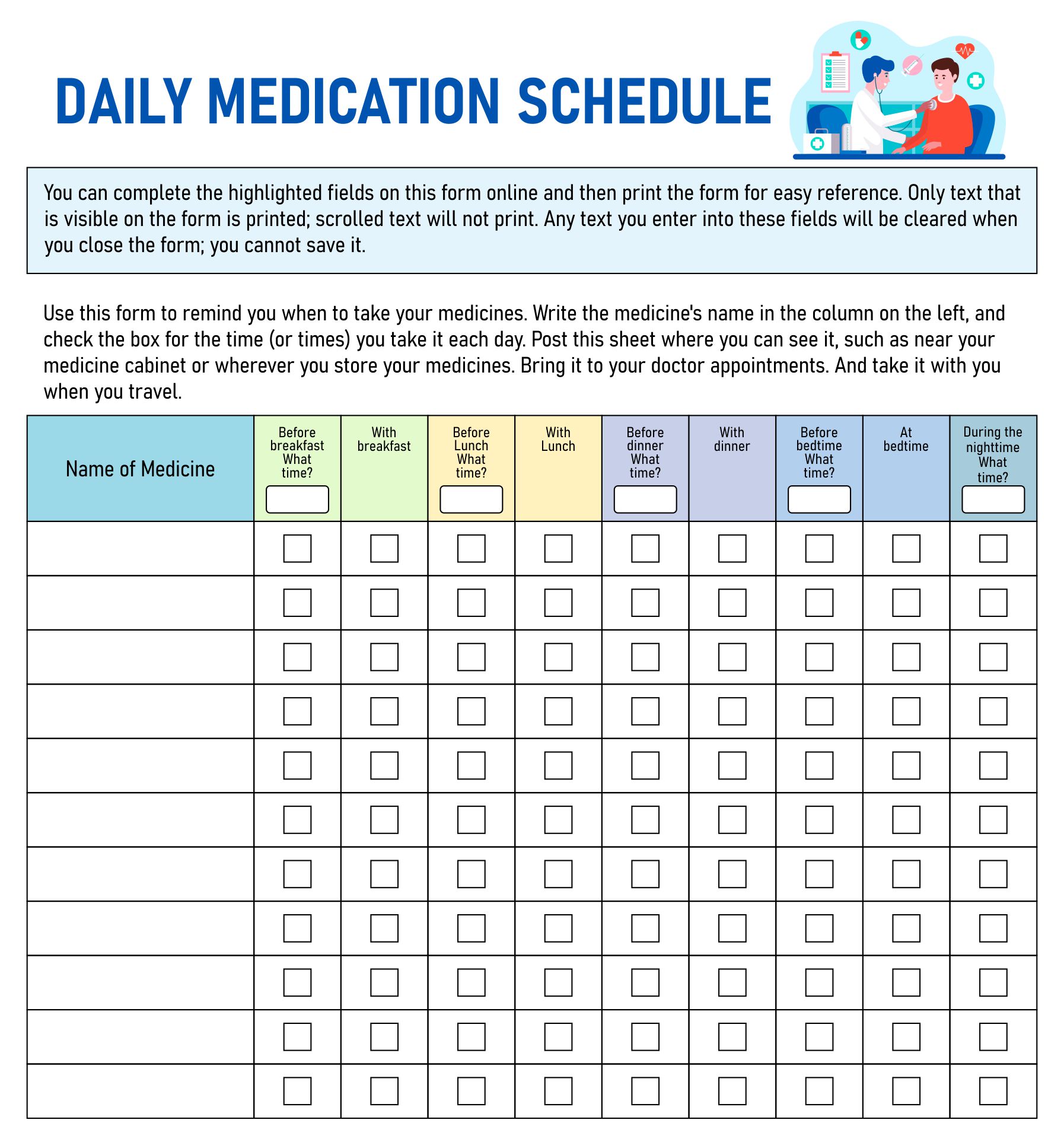
Free Printable Medication Chart Customize and Print
Printable Nursing Dosage Calculations Cheat Sheet Printable Word Searches
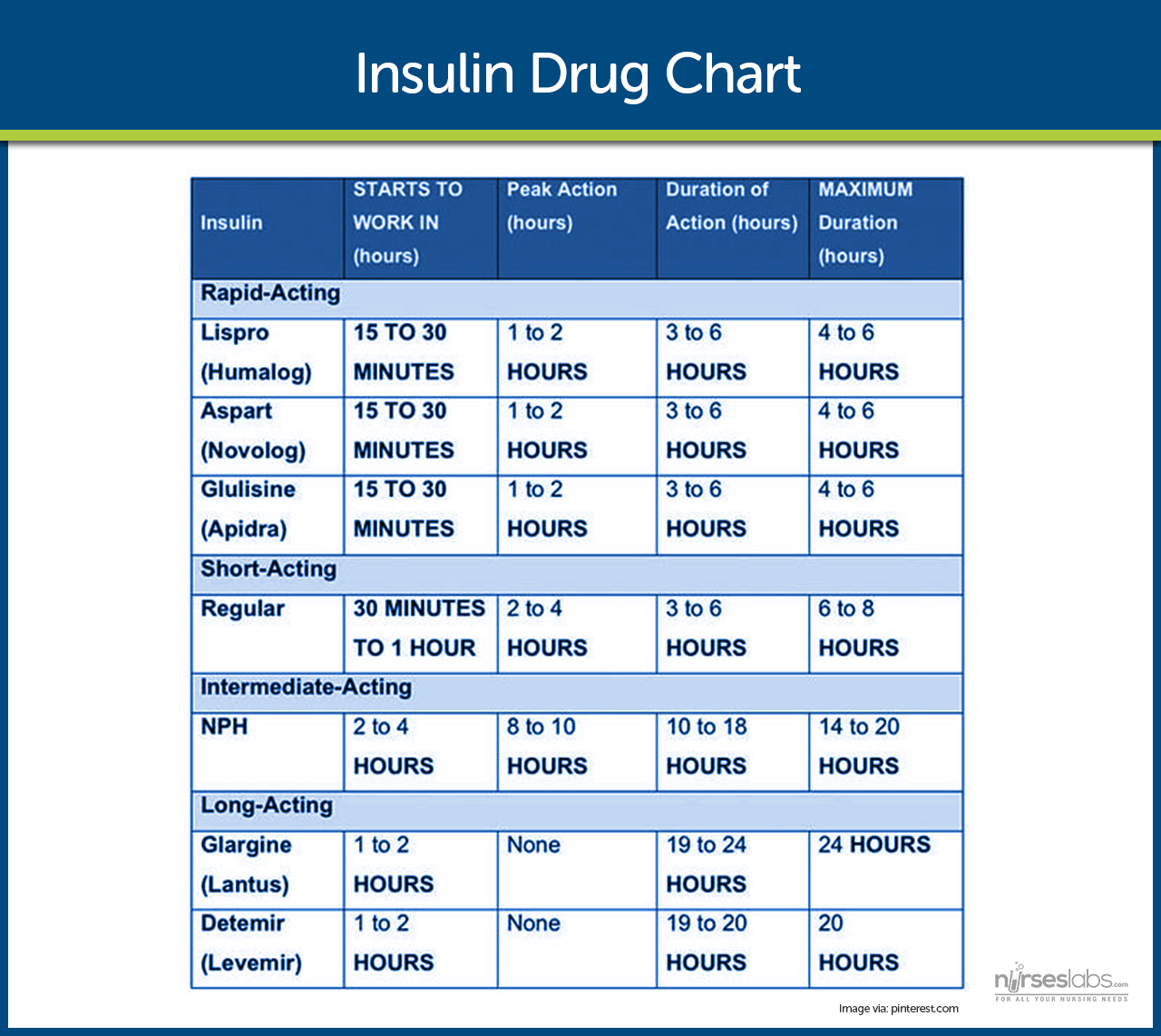
Diabetes Mellitus Nursing Care Management

Pin on Medicinal
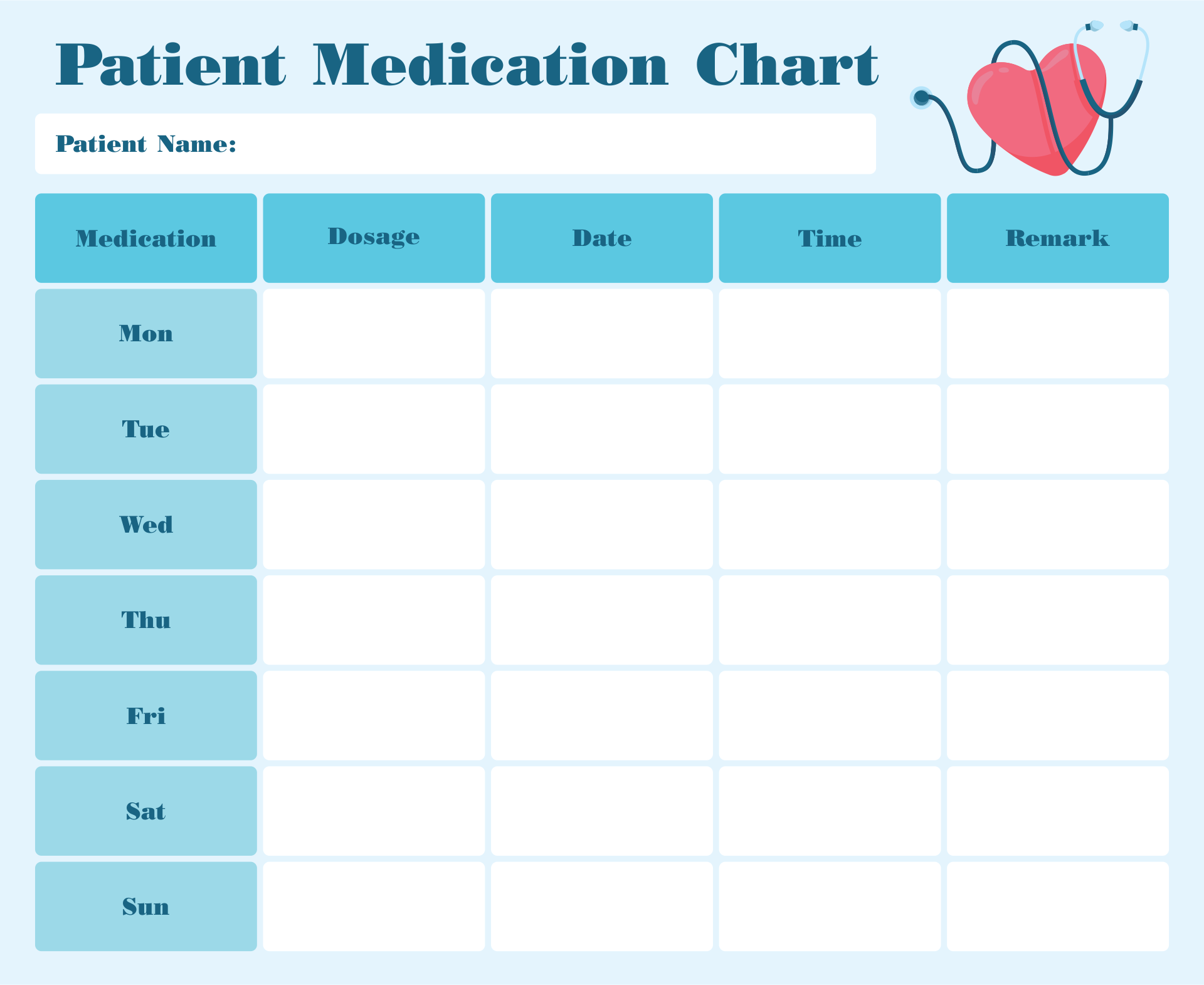
6 Best Images of Drug Medication Chart Printable Patient Medication
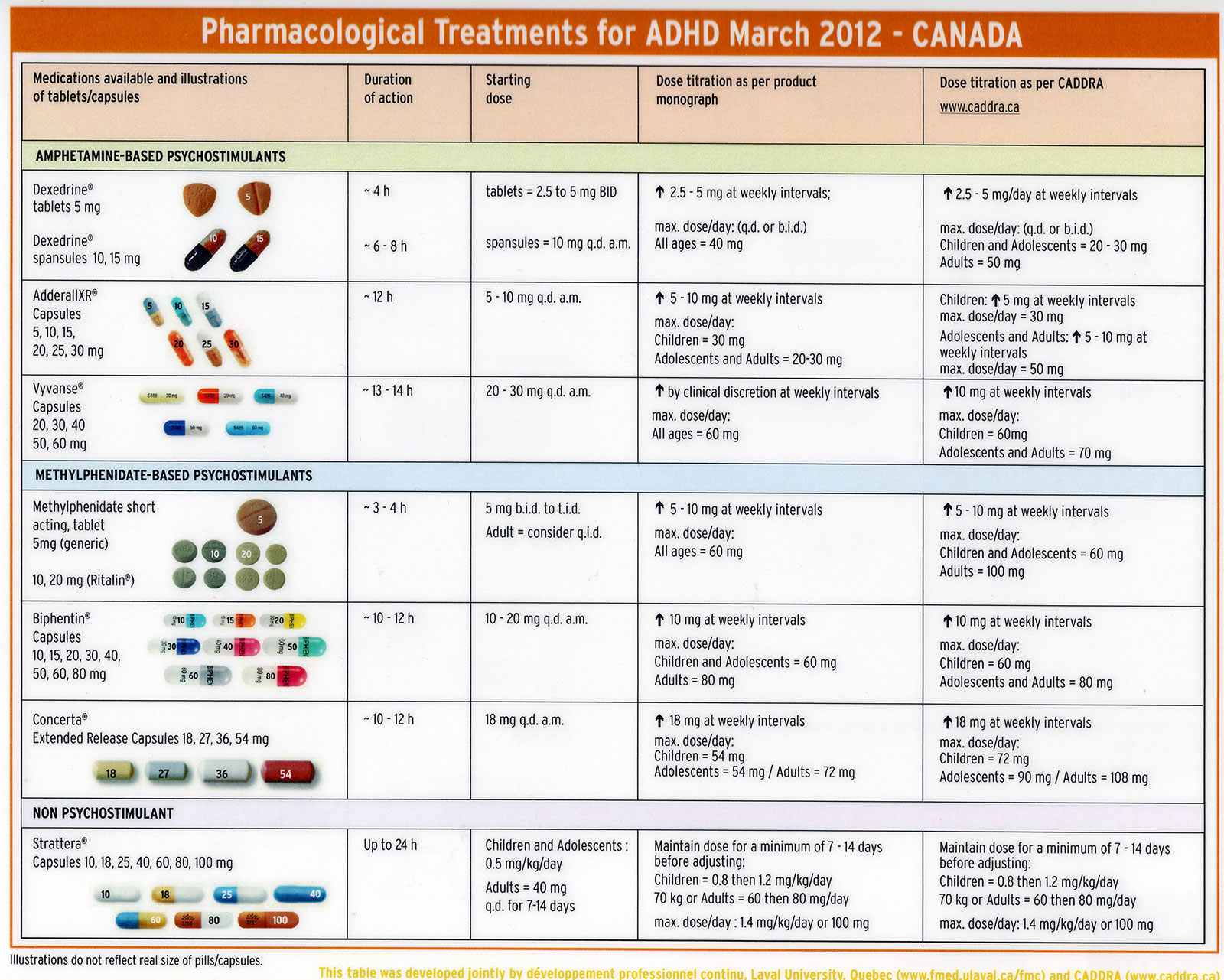
Adhd Medication List Examples and Forms
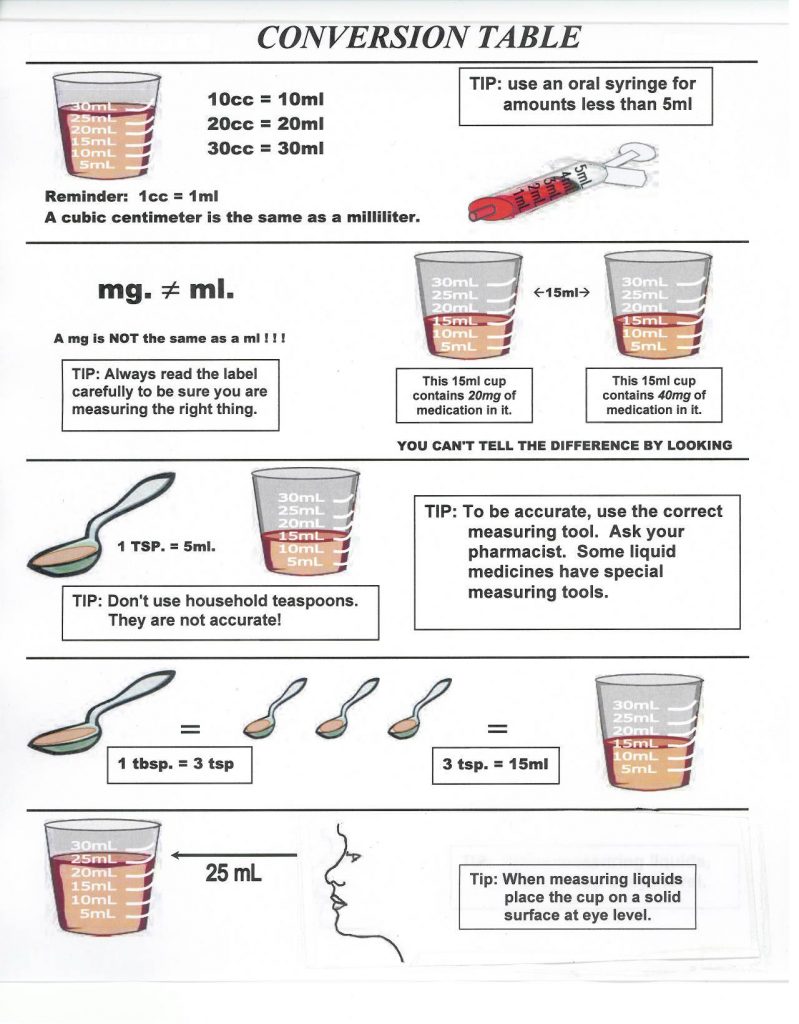
3. Medication orders. Metric system. Measuring devices. Conversion
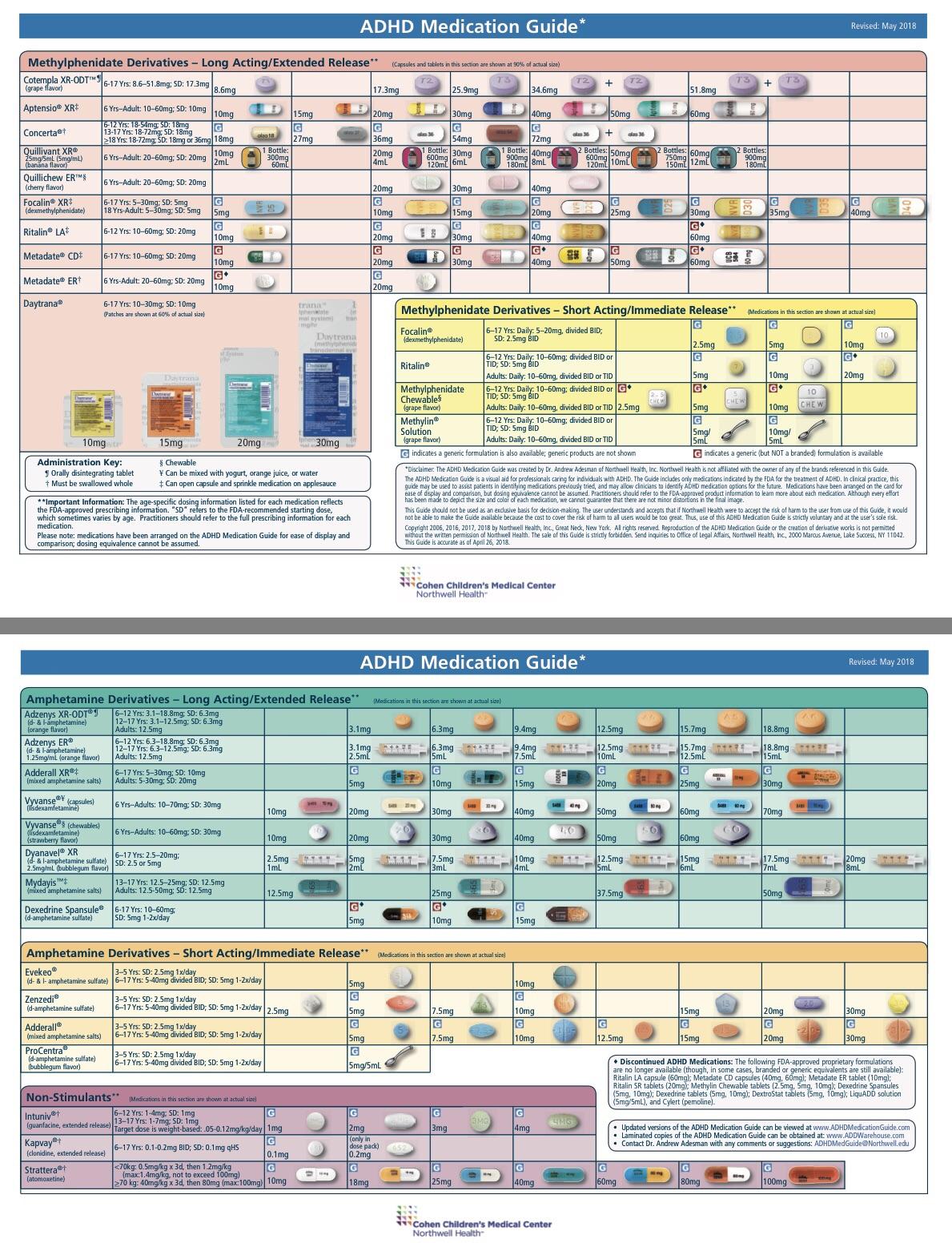
Adhd Medication Chart / Stimulant Dose Equivalents Clinicians can
How Many Gallons In A Liter?
Furthermore, You Can Also Find Equivalent Dose Charts For Some Of The Popular Classes Of Medicines Here.
Here Are The Most Useful Ones:
1 Milliliter = 15 Minims (M) = 15 Drops (Gtt) 5 Milliliters = 1 Fluidram = 1 Teaspoon (Tsp) 15 Milliliters = 4 Fluidrams = 1 Tablespoon (T) 30 Milliliters = 1 Ounce (Oz) = 2 Tablespoons.
Related Post: